April 23, 2026 - Gendale Heights, IL
Health Equity Summit
12 Years of Impact
Worry Free Health Initiative - 12 Years of ACA Efforts in ILLInois
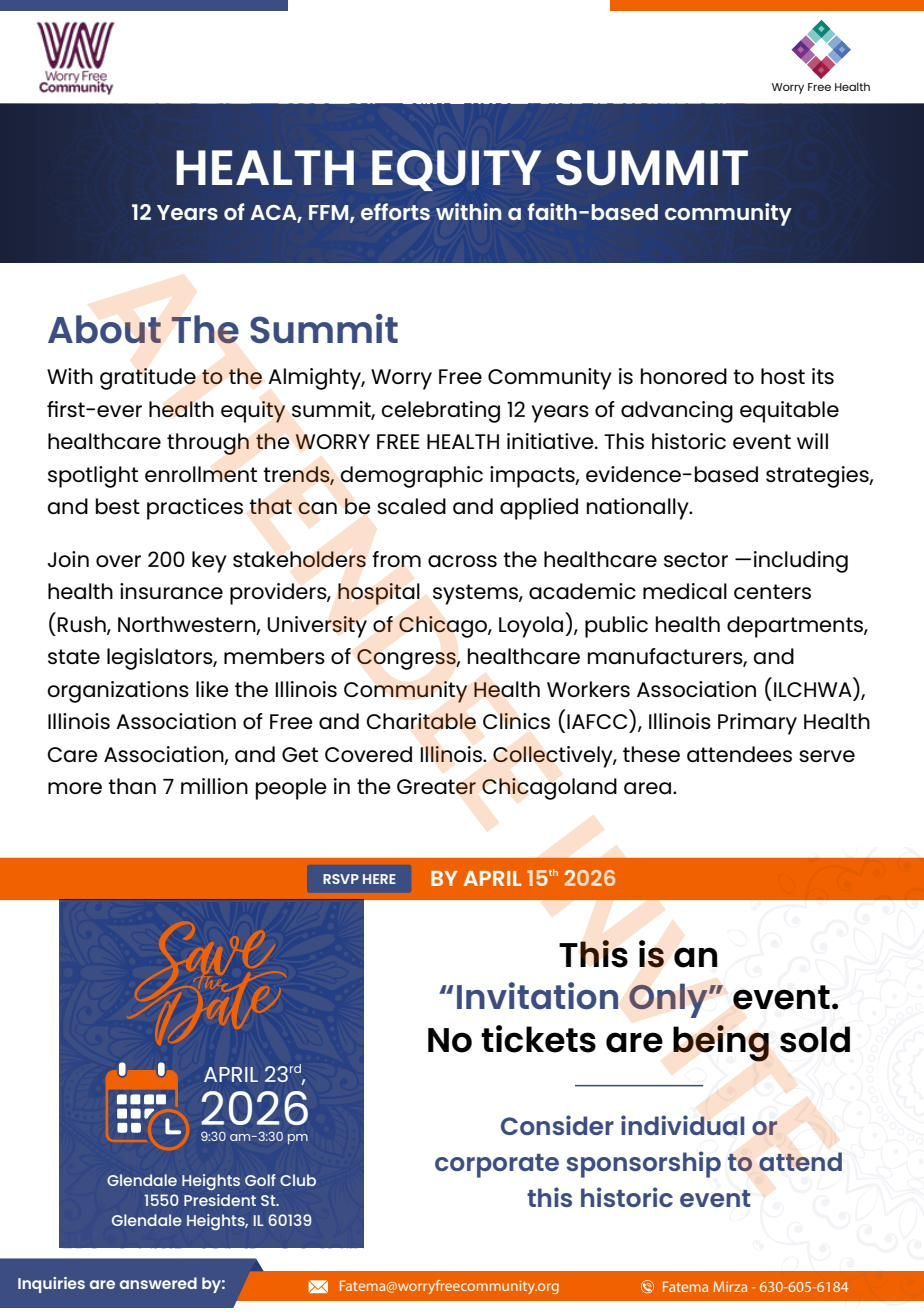
For over a decade, Worry Free Community has been at the forefront of advancing equitable healthcare. This historic summit brings together 12 years of real-world experience, data, and community impact—showcasing what has worked, what has not, and why.
15
Leaders received Social Architect Award
150+
Healthcare Stakeholders in Attendance
12
Years of Community Impact
29
Community Based Organizations Recognized
Why This Summit Matters?
The Significance
This summit marked a historic milestone—bringing together policymakers, health systems, nonprofits, and community voices to examine 12 years of tangible impact. Rooted in a faith-based, community-centered model, the insights shared were not just reflective—they were actionable. This was more than a retrospective. It was a forward-looking conversation about building a more equitable healthcare system for the future.
A Decade of Real-World Data
Unlike theoretical discussions, this summit was grounded in 12 years of lived experience—tracking how policies translated into real outcomes for real communities, with measurable enrollment data across every open enrollment period.
A Faith-Based Community Model
At the heart of this work is a trusted, community-driven approach built within mosque communities that bridges cultural, social, and systemic gaps in healthcare access—creating trust where the system had failed.
Cross-Sector Collaboration
Bringing together leaders from government, health systems, academic medical centers (Rush, Northwestern, U of Chicago, Loyola), nonprofits, and policy—fostering conversations that rarely happen in the same room.
Health Equity in Practice
Beyond definitions, this summit examined how health equity is implemented—addressing social determinants of health, access barriers, and systemic challenges head-on with evidence-based, SMART-solutions frameworks.
Affordable Care Act Throughout the Years
The summit explored how the Affordable Care Act and the Federally Facilitated Marketplace evolved over 12 years—and how those changes shaped access to care across diverse populations and zip codes.
Actionable Insights for the Future
Participants walked away with practical lessons, proven strategies, and a clearer path forward to expand access and improve outcomes at scale—rooted in the CHW model, community trust, and cross-sector investment.
Impact by the numbers
12 Years of Measurable Impact
The Worry Free Health initiative has produced consistent, measurable results across enrollment, outreach, and community health outcomes since its founding. Below are key data highlights from the Open Enrollment 12-Year Report.
29
Community-based organizations partnered over 12 years
15
Social Architect Award™ recipients honored for health equity leadership
180+
Healthcare ecosystem leaders convened at the summit
24h
Average hours of community health worker time invested per consumer enrolled
Distinguished Voices
Summit Speakers & Participants
The summit convened distinguished leaders from across Illinois's healthcare, public health, and policy landscape—representing organizations collectively serving millions.
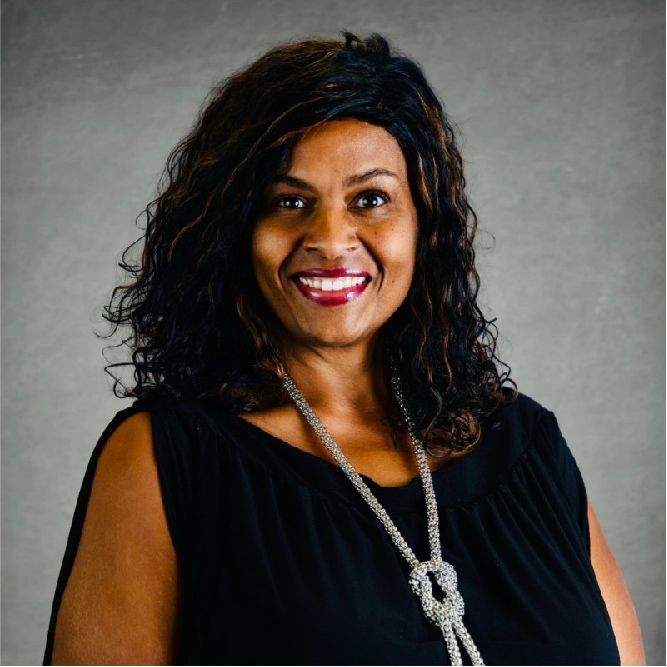
Srahnjini Nunn
Program Manager, IDPH
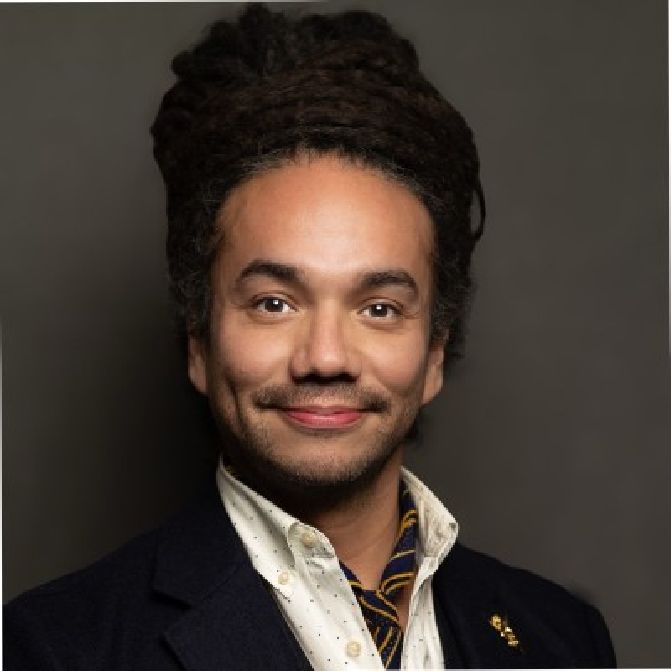
Sergio Obregón
Deputy Director of Customer Success at GCI
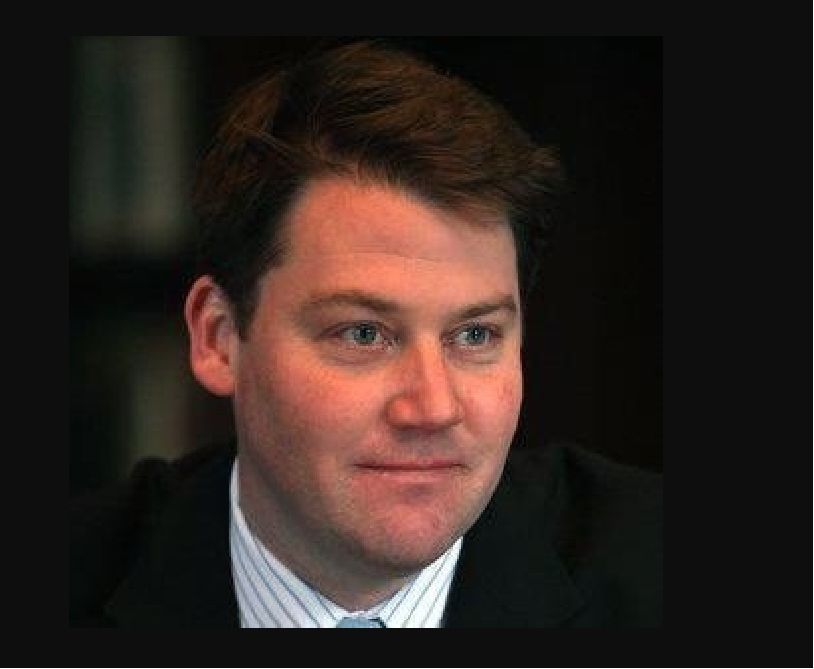
Catherine Leonis
Special Assistant to the Regional Administrator at CMS
Brian Gorman
Director of Outreach and Consumer Education at GCI
Tracey Smith
Executive Director of IPHA
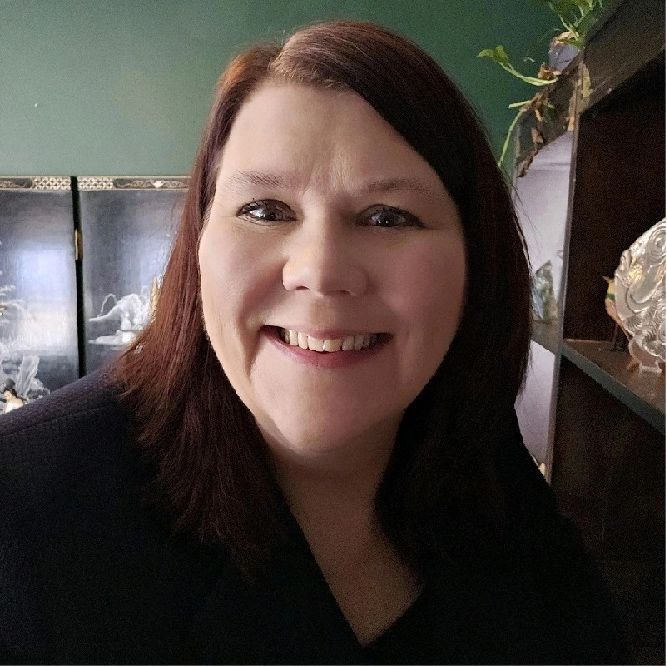
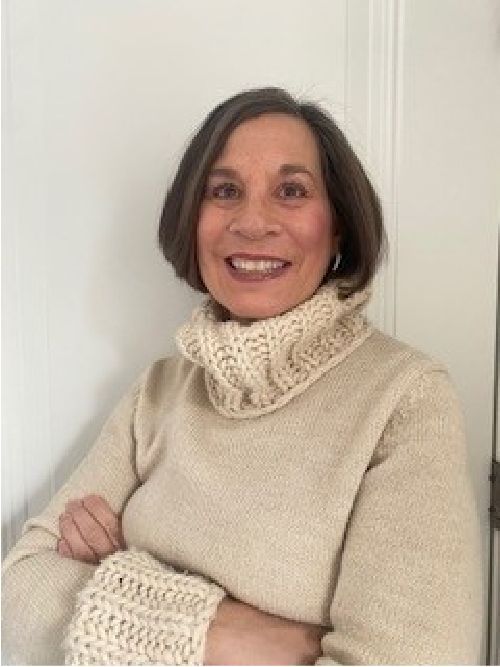
Carol West
Marketplace Training and Certification Manager at GCI
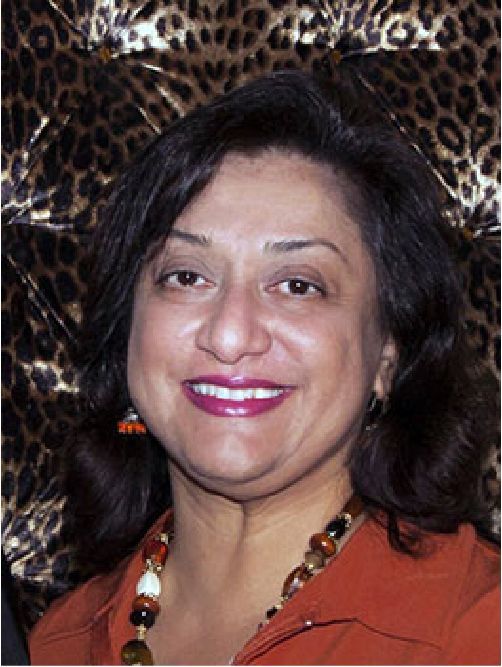
Shazeen Mufti
Executive Director of AMCF
⭐ Social Architect Award
Honoring Excellence in Health Equity
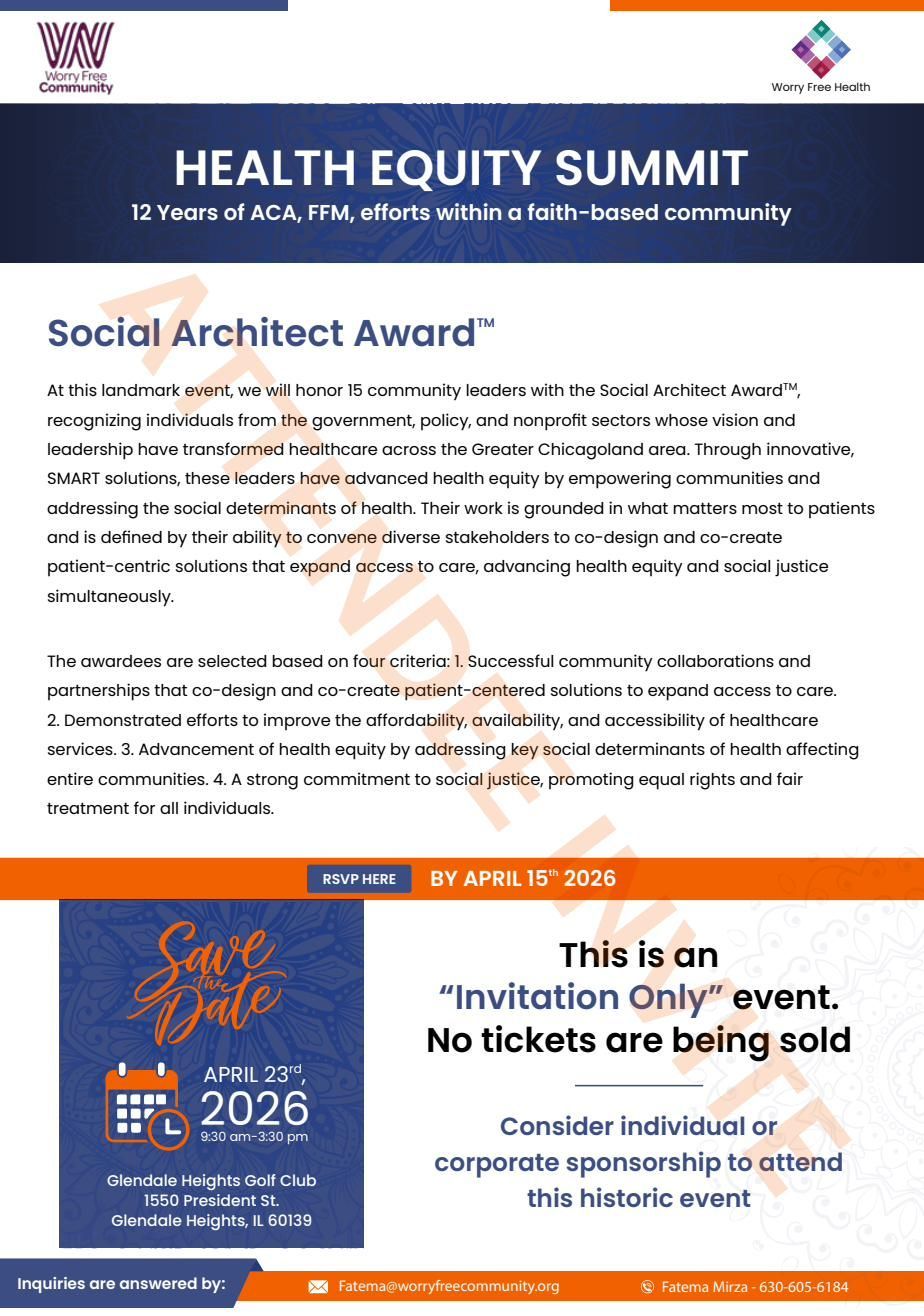
The Social Architect Award
At this landmark event, 15 community leaders were honored with the Social Architect Award™—recognizing individuals from the government, policy, and nonprofit sectors whose vision and leadership have transformed healthcare across the Greater Chicagoland area. Through innovative, SMART solutions, these leaders have advanced health equity by empowering communities and addressing the social determinants of health.
1
Community Collaboration — Successful community partnerships that co-design and co-create patient-centered solutions to expand access to care.
2
Affordability & Accessibility — Demonstrated efforts to improve the affordability, availability, and accessibility of healthcare services across communities.
3
Advancing Health Equity — Measurable advancement of health equity by addressing key social determinants of health affecting entire communities.
4
Commitment to Social Justice — A strong commitment to social justice, promoting equal rights and fair treatment for all individuals regardless of background.
The Social Architect Award Recipients
Dr. Azher Quader
President at Compassionate Care Network Inc.
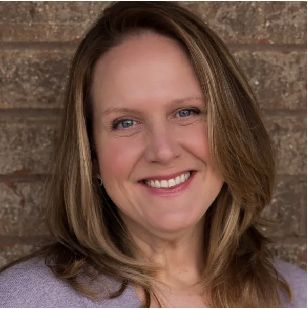
Kara Murphy
President, DuPage Health Coalition, DHC
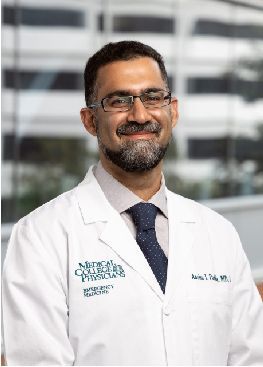
Dr. Aasim Padela
MD, MSC, FACEP
Robin Lavender
Lead Navigator & SHIP Counselor, DuPage County Health Department
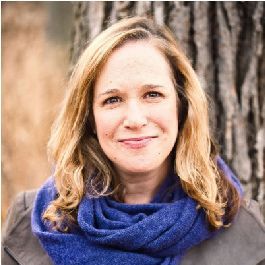
Stephanie Becker
Deputy Administrator, State Based Marketplace - Illinois Department of Healthcare and Family Services
Syed Hameed Zafar
Retired Case Manager, Illinois
Dept. of Human Services
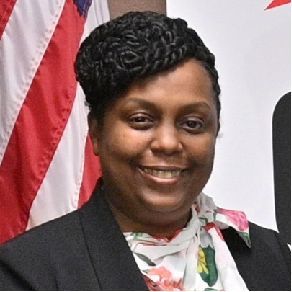
Rachelle Paul Brutus
Chicago Asthma Consortium
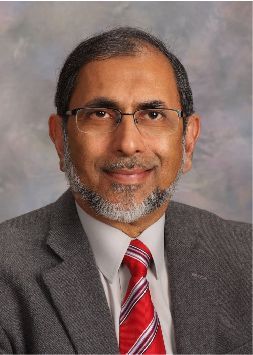
Salman Naseem
Insurance Broker
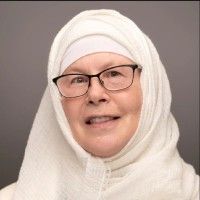
Janice Tufte
Woman owned small business - Hassanah - Patient Partner Co-I, Co-Lead, Advisor in Health Systems Research and Improvement - strategist, connector, catalyst
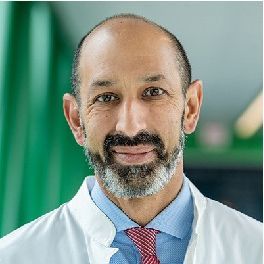
Dr. Omar Lateef
President and CEO at Rush University System for Health
Melissa Maguire
Former Executive Director, Illinois
Association of Free & Charitable Clinics
Brian Gorman
Director of Outreach and Consumer Education at GCI
Recognizing Excellence
Posthumous Honors
In addition to living honorees, the summit also recognized individuals posthumously for their lasting contributions to the advancement of healthcare access and community health equity in Chicagoland.
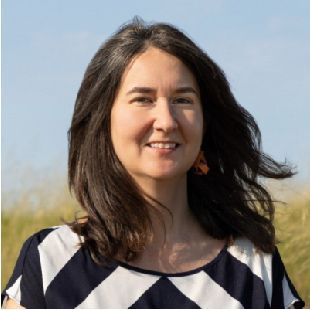
A.J. Barks
Co-Executive Director of the Chicago Women’s Health Center
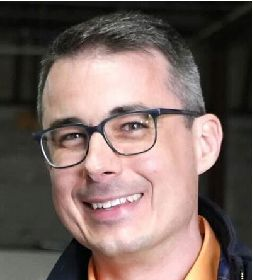
Matt Siemer
Executive Director of Mobile Care Chicago
How the day unfolded
Summit Program & Highlights
Walk through the day as it happened—session by session, speaker by speaker—exploring the data, lessons, and conversations that shaped this landmark event. Photo placeholders mark where event photography can be added.
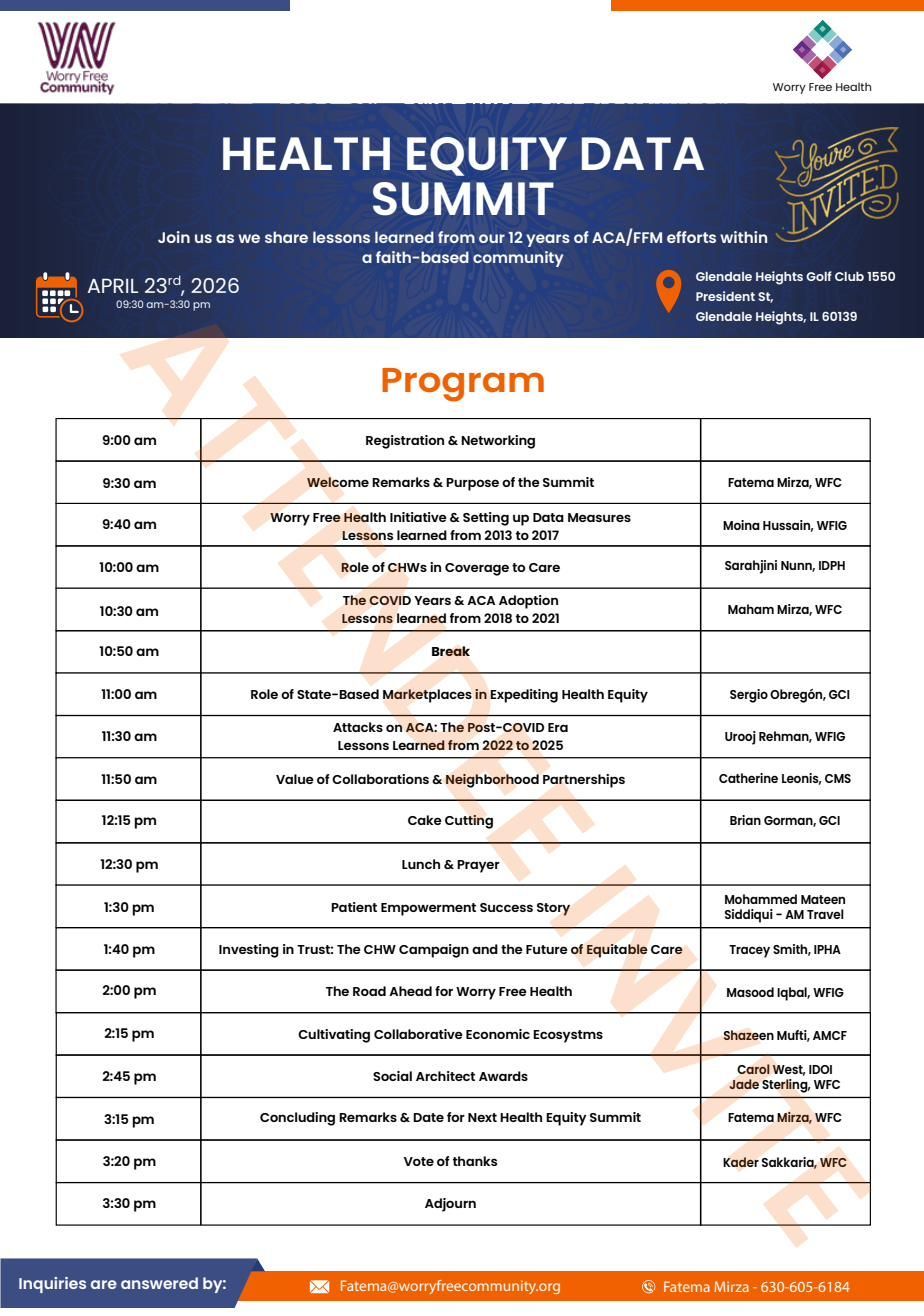
9:00 am
Registration & Networking
Guests arrived at the Glendale Heights Golf Club to begin a landmark day. The registration hour set the tone for a day of rich dialogue—bringing together over 180 key stakeholders representing health systems, academic medical centers, public health departments, state legislators, nonprofit leaders, and policymakers from across the Greater Chicagoland area.
Organizations in attendance included Rush, Northwestern, University of Chicago, Loyola, Illinois Community Health Workers Association (ILCHWA), Illinois Association of Free and Charitable Clinics (IAFCC), Illinois Primary Health Care Association, Get Covered Illinois, and many more—collectively serving over 7 million people.
9:30 am
Welcome Remarks & Purpose of the Summit
Fatema Mirza, Executive Director — Worry Free Community
Guests arrived at the Glendale Heights Golf Club to begin a landmark day. The registration hour set the tone for a day of rich dialogue—bringing together over 180 key stakeholders representing health systems, academic medical centers, public health departments, state legislators, nonprofit leaders, and policymakers from across the Greater Chicagoland area.
Organizations in attendance included Rush, Northwestern, University of Chicago, Loyola, Illinois Community Health Workers Association (ILCHWA), Illinois Association of Free and Charitable Clinics (IAFCC), Illinois Primary Health Care Association, Get Covered Illinois, and many more—collectively serving over 7 million people.
9:40 am
Worry Free Health Initiative & Lessons Learned 2013–2017
Moina Hussain, Co-Founder — WFIG
What we started as a modest peer effort, we thought it would be just a couple of years — one year, one project — and we will be done. And here we are standing after 14 years.
WFC began by addressing healthcare access for a very specific minority population: underserved, bilingual, immigrant seniors navigating Medicare, Medicaid, ACA, and in some cases uninsurable categories each requiring out-of-the-box solutions.
The team identified five distinct phases in every enrollment cycle: intake, eligibility determination, enrollment/application, post-enrollment, and servicing each requiring a unique skill set and its own metrics.
In Year 1, 236 applications were processed totaling approximately 5,680 hours, averaging 24 hours per application. By 2017, that average had dropped to 11.28 hours — a direct result of improved health literacy and growing team competency. Every 2,000 hours equated to one full-time employee; staff could be trained in all phases except enrollment/application, which required a license.
In 2017, a steep spike emerged in consumers choosing to remain uninsured. The cause: the ending of the individual mandate. People had enrolled out of obligation, not conviction. WFC responded by expanding its community health workshop from a single session in 2014 to a five-session workshop series by 2017, embedding coverage-to-care counseling at its core and promoting the program to community health volunteers, workers, and clinical staff alike.
The sustainability challenge remained — but did not stop the work.
Key Insight from 2013–2017
The early ACA years revealed that community trust was the single greatest barrier—and asset—in enrollment success. WFC's faith-based model proved that reaching underserved communities required meeting people where they already gathered: in mosques, community halls, and cultural centers. The CHW model averaged 24 hours per consumer—a testament to the depth of engagement required.
10:00 am
Role of CHWs in Coverage to Care
Sarahjini Nunn, Program Manager — Illinois Dept. of Public Health
"This summit comes at a very precarious time for us — we are in the approval process of this certification program."
Sarahjini presented the Illinois CHW Certification and Reimbursement Act, signed by Governor Pritzker in April 2021, sponsored by the Illinois Black Caucus as part of its equity-driven healthcare reform. The law creates a formal CHW certification program, designates IDPH as the regulatory body, and calls for Medicaid reimbursement for CHW services.
The review board includes representatives from the Governor's office, CHW employers and training programs, state legislators (Representatives Potter and Camille Lilly), the Departments of Human Services, Health Care and Family Services, and Professional and Financial Regulation. The board has submitted administrative rules covering definitions, certification requirements, multiple pathways to certification, a statewide CHW registry, training program standards, 12 core competencies listed in the bill, instructor qualifications, and continuing education requirements.
IDPH partnered with UIC Cancer Center and Sinai Urban Health Institute to develop the model curriculum and with Southern Illinois University and Breakthrough Technologies to build the certification platform a fully encompassing registry where CHWs apply, employers search, and training programs are listed.
Timeline: rules went to JCAR for public comment, closed in mid-November 2025. The program is targeting a mid-2026 launch, fall 2026 at the latest.
"Becoming certified is not a requirement to practice as a CHW. It is completely voluntary. But certification is what unlocks Medicaid reimbursement — and ultimately, a living wage for the people doing this work." She called on attendees to attend board meetings, submit public comments, and advocate for rates that sustain CHW employment.
10:30 am
The COVID Years & ACA Adoption — Lessons Learned 2018–2021
Maham Mirza, CHW & Certified GCI Navigator — WFC
By 2018, WFC's enrollment reached 1,559 consumers — ACA, Medicaid, and those choosing to remain uninsured — requiring approximately 15,000 hours of effort across 7.5 full-time employees. The volume made the free Google Voice system untenable. WFC adopted an 8x8 VoIP phone system, enabling full virtual operations, and established Worry Free Insurance Group (WFIG) to obtain the licenses needed to serve consumers directly across all coverage types.
When COVID-19 hit in 2020, WFC's virtual setup allowed the team to continue — but mosque-based outreach, essential for reaching populations that couldn't be accessed any other way, was no longer possible. WFC partnered with a Patient-Centered Outcomes Research organization, training 12 community members and 8 staff as community health research workers in a 250-hour program. From this, WFC developed the Reach virtual outreach model, establishing a new baseline of 3,674 calls per enrollment period and producing a step-by-step, trust-based engagement guide that became the team's operating framework.
One striking finding: the rate of consumers choosing to remain uninsured climbed 12% during COVID — well above the usual 3% baseline. The cause was counter-intuitive: stimulus payments raised incomes for the underserved, pushing them into higher federal poverty level brackets where monthly premiums became unaffordable. "They simply couldn't afford to stay covered." This finding was published in 2023.
The 2020 period also expanded WFC's framework into three programs: the CHW training program, health coverage options, and a faith-based research track. The CHW program, completed in 2022, drew on American public health standards, PCOR methodology, and mosque-community engagement principles. It directly enabled the launch of WFC's
first free clinic in 2021, in partnership with Advocate Christ Medical Center's Family Medicine residency program.
Covid-Era Insight
The pandemic exposed a critical truth: communities that lacked trusted health navigators before COVID suffered disproportionately. WFC's pre-existing community trust infrastructure became a lifeline. The Virtreach Model adapted outreach to virtual formats—demonstrating that the relationship, not the format, is what matters in health equity work.
Tea Break
10:50 am
11:00 am
Role of State-Based Marketplaces in Expediting Health Equity
Sergio Obregón, Deputy Director of Customer Success — Get Covered Illinois
Sergio opened with a personal story: a grandmother he had helped obtain Medicaid back in 2007–08 tapped him on the shoulder in a supermarket — now navigating a letter in English about her grandchild's coverage. He helped her on the spot. "I share that story because it's the why I feel I'm the right person to be here. It makes me believe in the work we do. It encourages and inspires me to continue to work with all of you who are advocates, ambassadors of health, and most importantly, allies."
In 2023, Governor Pritzker signed legislation authorizing Illinois to run its own state-based marketplace. For the 2026 plan year, Get Covered Illinois officially launched — reportedly one of the fastest marketplace stand-ups in the country. Despite the expiration of enhanced premium tax credits, GCI enrolled 448,568 individuals — only a 4% decrease from last year's record-breaking 465,000, far better than expected.
The key driver: silver loading, implemented for the first time through GCI's new marketplace authority. This redirected premium tax credits so consumers could access more affordable gold and bronze plans. Over 78,000 enrollees switched to gold plans with more generous benefits. Active plan selection drove Illinois's overall premium increase down from 78% to 26%.
GCI's "Here to Help" public awareness campaign reached thousands of residents in more than 10 languages across over 3,000 outreach events. The customer assistance center received over 333,600 calls, with an additional 29,679 through the partner line for navigators and brokers. The center supports over 250 languages through its translation service line.
Looking ahead, Sergio was candid: rising nonpayment terminations, Medicaid work requirements arriving in 2027 as "community engagement," ending of automatic renewal of financial assistance in 2028. "We have an uphill battle — which requires us to align and march on."
"The number one currency we have with the people we service is trust."
11:30 am
Attacks on ACA: The Post-COVID Era & Lessons Learned 2022–2025
Urooj Rehman — WFIG
The most recent chapter in the ACA story has been characterized by both expanded enrollment and unprecedented political pressure. This session examined how WFC navigated the post-COVID landscape—where new patterns emerged in coverage, consumer behavior, and provider response—while the legal and policy foundations of the ACA faced continued challenges.
The session surfaced honest lessons about where the system still falls short, which populations remain hardest to reach, and how community-based organizations must evolve to sustain their impact in an environment where federal policy can shift dramatically within a single enrollment cycle.
2022–2025 Reality Check
Post-COVID enrollment surged nationally, but disparities in access, affordability, and provider availability persisted—especially in communities of color and immigrant populations. The lesson: expanded eligibility is necessary, but not sufficient without trusted community infrastructure to translate policy into enrollment and enrollment into care.
11:50 am
Value of Collaborations & Neighborhood Partnerships
Catherine Leonis, Special Asst. to Regional Admin. — Centers for Medicare & Medicaid Services
"I am going to be a little shameless in saying that you all are doing everything right. You may have hit some roadblocks — maybe a call center blip here and there — but you're doing all the right things. You're on the ground doing it. You're inviting everyone, you're celebrating people. You're doing all the things that collaborations need to breathe and to grow."
Catherine noted that Illinois was likely the fastest state in the country to stand up a state-based marketplace — though CMS felt it gave Illinois "the training wheels" to do so.
CMS's work extends well beyond its three flagship programs (Medicare, Medicaid, and the Marketplace): program integrity through extensive auditing; regulation of healthcare providers, nursing homes, hospitals, and clinical labs worldwide; accreditation; quality improvement through CMMi innovation models. She shared a personal story: when her mother had a stroke, she received a letter about the REACH model — and even as a CMS employee, she had to Google it and email colleagues. At the office, she was told: "No one has ever asked us these kinds of questions about the REACH model." A reminder of how complex the landscape is for ordinary consumers.
CMS's local engagement tools available to the room: customized educational seminars, webinars, health fair attendance, co-hosted outreach events, a product ordering website, regular policy email blasts, and hospital association calls. On policy feedback: "Some real change has happened because of what people on the ground tell us. Many times there are unintentional consequences of our policies — and we need to know about those." She directed attendees to connect with
Greg McAllister, CMS's Illinois representative, describing him as having "a huge wealth of knowledge" and being "really good at navigating you."
12:15 pm
Cake Cutting & Milestone Celebration
Brian Gorman, Director of Outreach — Get Covered Illinois
"I mean, obviously we go back a long way — back to 2013. This is my 13th year. My son was born just before I started working in Illinois. He is now in seventh grade and he is 13. So I marked the passage of my professional career at the age of my child."
Through setback after setback, through changing administrations, GCI had always been intent on becoming Illinois's own state-based marketplace. "It's almost a surreal experience to be here celebrating with all of you the success that we have had."
"It is critical that we have these moments to celebrate success and where we've been. Just this morning before I left, there was a data issue, an issue with the website, a partner having a problem — and you get caught up in the administrative minutia of the day-to-day and sometimes forget what it is that we do and how important the connections we have to the community are."
Fatema selected Brian to cut the cake for a reason: "As we celebrate the birth of the state marketplace — this is the birth year. And I could not think of anybody but Brian Gorman to do that honor."
1:30 pm
Investing in Trust: The CHW Campaign & the Future of Equitable Care
Tracey Smith, Executive Director — Illinois Primary Health Care Association
"Health inequities persist despite coverage expansion. Coverage does not equal care — and it does not equal trust."
Tracey traced the evolution of CHWs from volunteers to what she called "the essential workforce" — a shift accelerated by COVID-19. "When I started my first CHW program back in 2013, people would ask, what do they do exactly? And I would say: they connect people to your services. That is exactly what they do."
IPHA has trained over 1,500 community health workers in the last five years across multiple training sites producing hundreds per year. The Illinois CHW Campaign, funded by IDPH through IPHA, has two goals: increase employer demand for CHWs across public health, healthcare, and human service organizations; and grow a diverse, highly qualified CHW workforce statewide.
The campaign divides Illinois into regions with dedicated "anchor" organizations: in Region 1 (Cook County), the Illinois Community Health Workers Association; in Region 2 (Northern Illinois), HAFTO. These anchors guide organizations to certification pathways, coordinate ambassador networks, and connect CHWs to sustainable funding.
Why certification matters: it professionalizes the CHW role as a career in its own right — not a stepping stone — creates specialization pathways (maternal health, Alzheimer's, etc.), and unlocks Medicaid reimbursement. The Illinois Department of Health Care and Family Services published a proposal for CHW Medicaid billing effective July 1, 2026, covering health promotion and education, health system navigation, resource coordination, nonclinical screening and assessment, and identification of health-related social needs and barriers to care.
Tracey closed with the story of Maria — a Spanish-speaking woman in southern Illinois who had been uninsured for years, not because she didn't qualify, but because she didn't trust the system and didn't feel it was built for her. She met a CHW at a local church after a service. Not in a clinic. Not behind a desk. In a place where she felt safe, with someone who spoke her language, understood her life, and didn't rush her. Months later she had coverage, a primary care doctor, a diabetes diagnosis under management, and had lost 15 pounds.
"Community health workers turn systems into something human. If we invest in trust, we don't just improve health outcomes — we transform communities."
2:00 pm
The Road Ahead for Worry Free Health
Masood Iqbal, Co-Founder — WFIG
Masood opened with the infrastructure data arc. In 2018, WFC was running on a free Google Voice platform, receiving around 516 calls and spending roughly $568 to produce 1,173 applicants across 6 full-time employees. After converting to the 8x8 VoIP system, the graph changed dramatically. By Open Enrollment 12 (November 2025–January 2026), over 13,000 calls came through the system, resulting in approximately 3,300 enrolled consumers. "You can see the graph jump up from 2018 onward. It goes in the right direction."
Looking ahead, Masood introduced the "Circle of Trust" — WFC's working model for equitable cross-sector collaboration. The framework requires that resource allocation across all partners be equal and without conflict of interest. Organizations from CBOs to IPAs and health systems must align under a shared direction. "Trust is a language across the board. Nothing else but trust — you all come to the table with trust in each other."
The next concrete step: the iPOSH Kiosk initiative — mosque-community-based health stations staffed by a CHW during congregation gatherings. The kiosk creates a space for informal health conversations in an environment the community already trusts. Two mosques have committed, with the first kiosk going into the Islamic Center of Morton Grove.
Long-term, Masood introduced the WFC Center for Health Equity (WFC CHEq) — an independent entity for unbiased analytical support, independent reporting, and evidence-based intervention design. Three structural options are on the table: a community consortium model, an independent WFC reporting arm, and a partnership with Area Translational Sciences programs for innovative care for those out of options. WFC recently acquired space on Carroll Street for this center.
He closed: "A point is only a point. When you take a step, every step creates a line. A line creates a bridge. And that bridge is built for others coming behind you to cross. One person cannot do it. One organization cannot do it. One culture cannot do it. The whole community together can do it."
2:15 pm
Cultivating Collaborative Economic Ecosystems
Shazeen Mufti, Executive Director — American Muslim Community Foundation
"We have barriers in our systems. But there are so many resources within and around our community. For me, the biggest resource is faith — and what our faith commands us to do in terms of equity."
Shazeen has been involved in nonprofits for almost 30 years and brought mainstream community development practices to her first role in a Muslim organization. AMCF's mission: cultivate donor giving by diversifying funding to advance charitable causes — led by the sacred, strategic, sustainable, collaborative, and diverse.
AMCF is a 501(c)3 public charity and the only Muslim community foundation in the United States, operating with Sharia-compliant investments. Since founding, AMCF has disbursed over $28 million to community causes. This past Ramadan alone, AMCF distributed over $3 million to 340+ organizations across 26 states — a 65% increase over the previous year, the result of intentional investment in internal infrastructure and systems. "We were not apologetic about investing in infrastructure. We told our donors: in order for us to be a better organization, we need to invest in our own systems."
Shazeen introduced the Collective Impact Model as a framework that moves organizations from isolated work to aligned, community-wide change.
Unlike traditional collaborations — where smaller organizations are expected to contribute as much as larger ones, creating structural imbalance — Collective Impact requires five conditions: a common agenda, shared measurement systems, mutually reinforcing activities, continuous communication, and a backbone support organization that coordinates without burning out any partner. "We put additional work on our nonprofit staff to do collaboratives while doing their own work, often without paying them. We need a coordinating body." AMCF acts as that connective tissue — connecting organizations across Illinois, Texas, and Southern California, serving as fiscal sponsor, and offering free one-hour strategy sessions to organizations building toward this model.
Her close: working in silos is a choice. "If we actually utilize the collective impact model, we can utilize everyone's strengths. We are stronger when we work together. That is our superpower."
2:45 pm
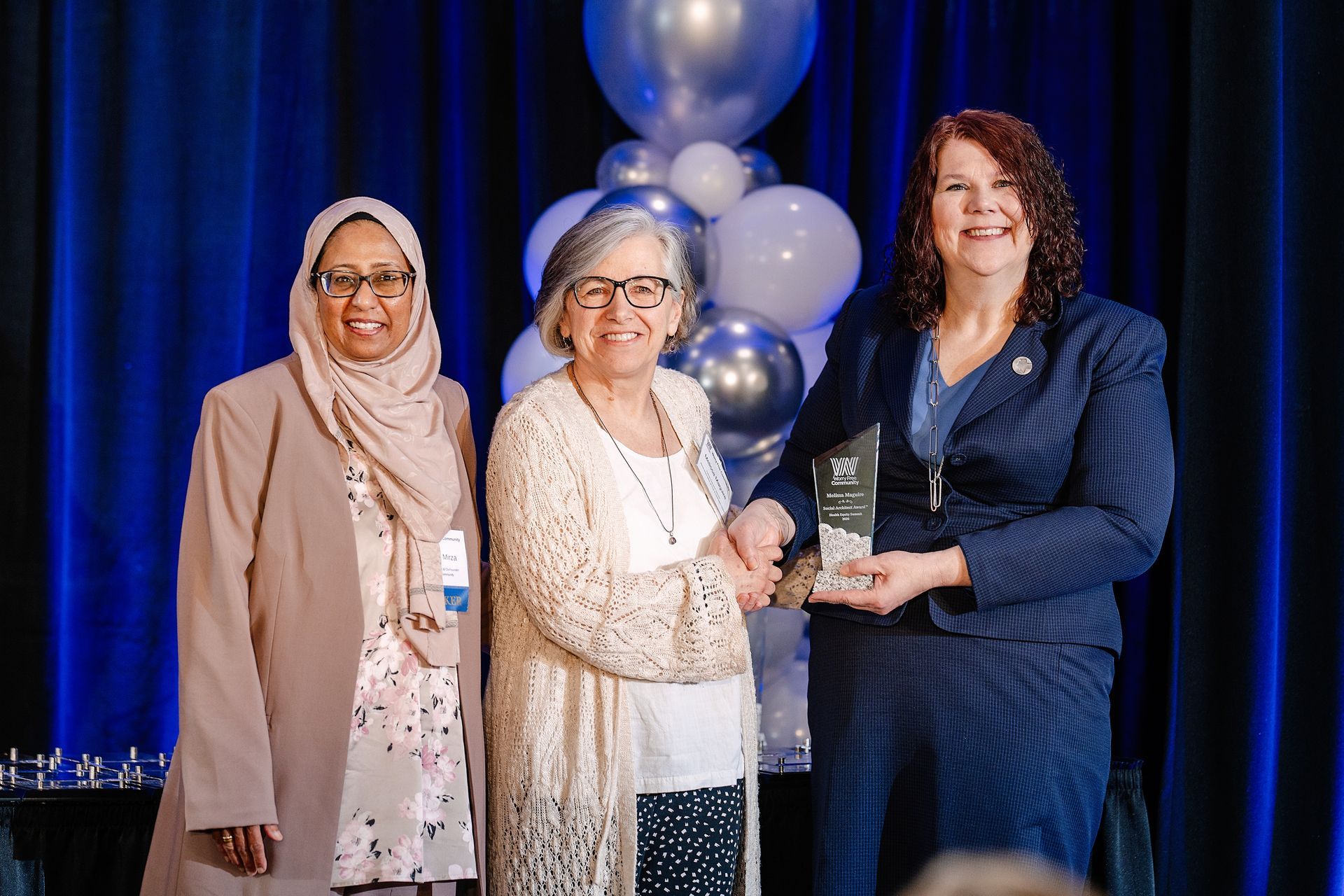
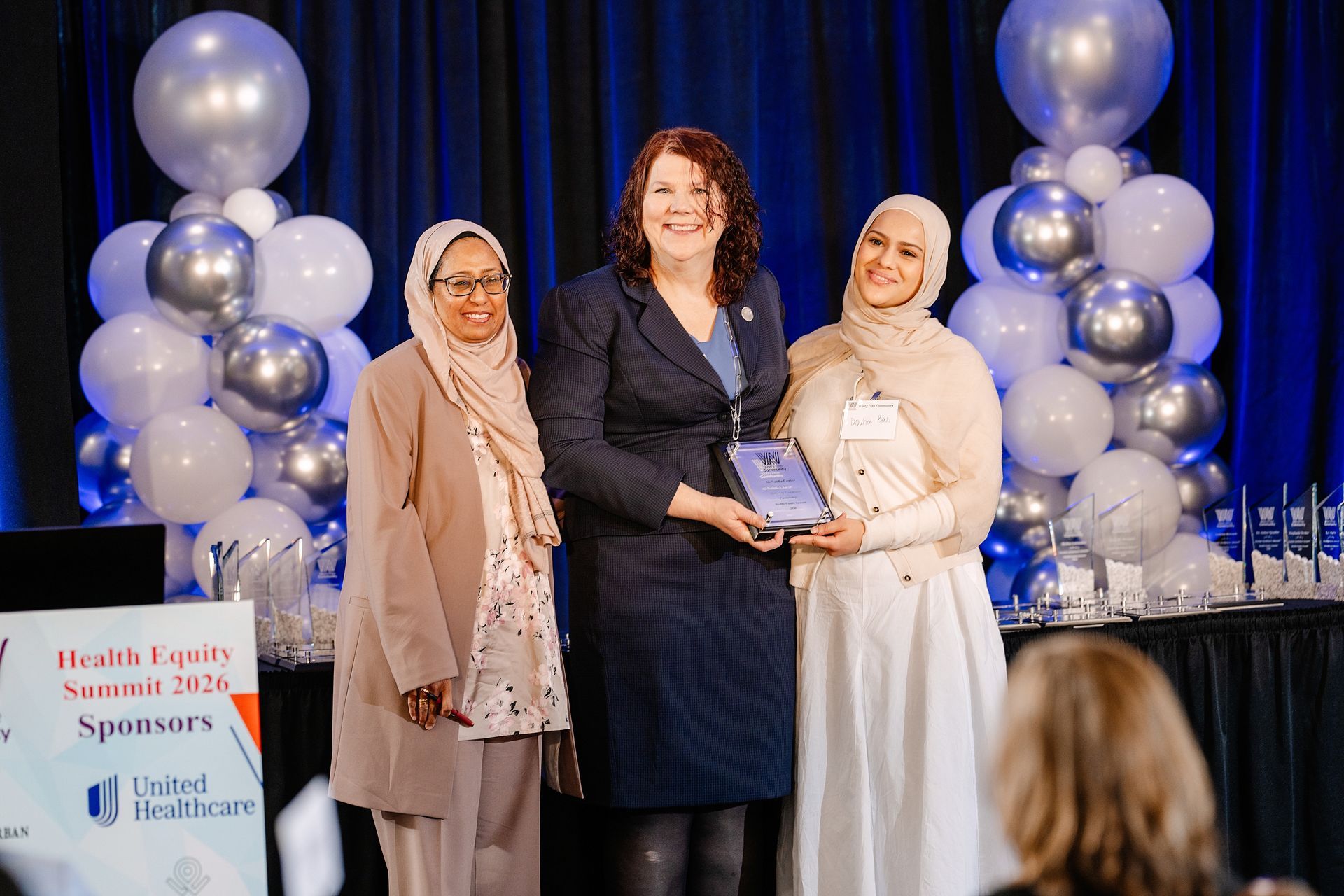
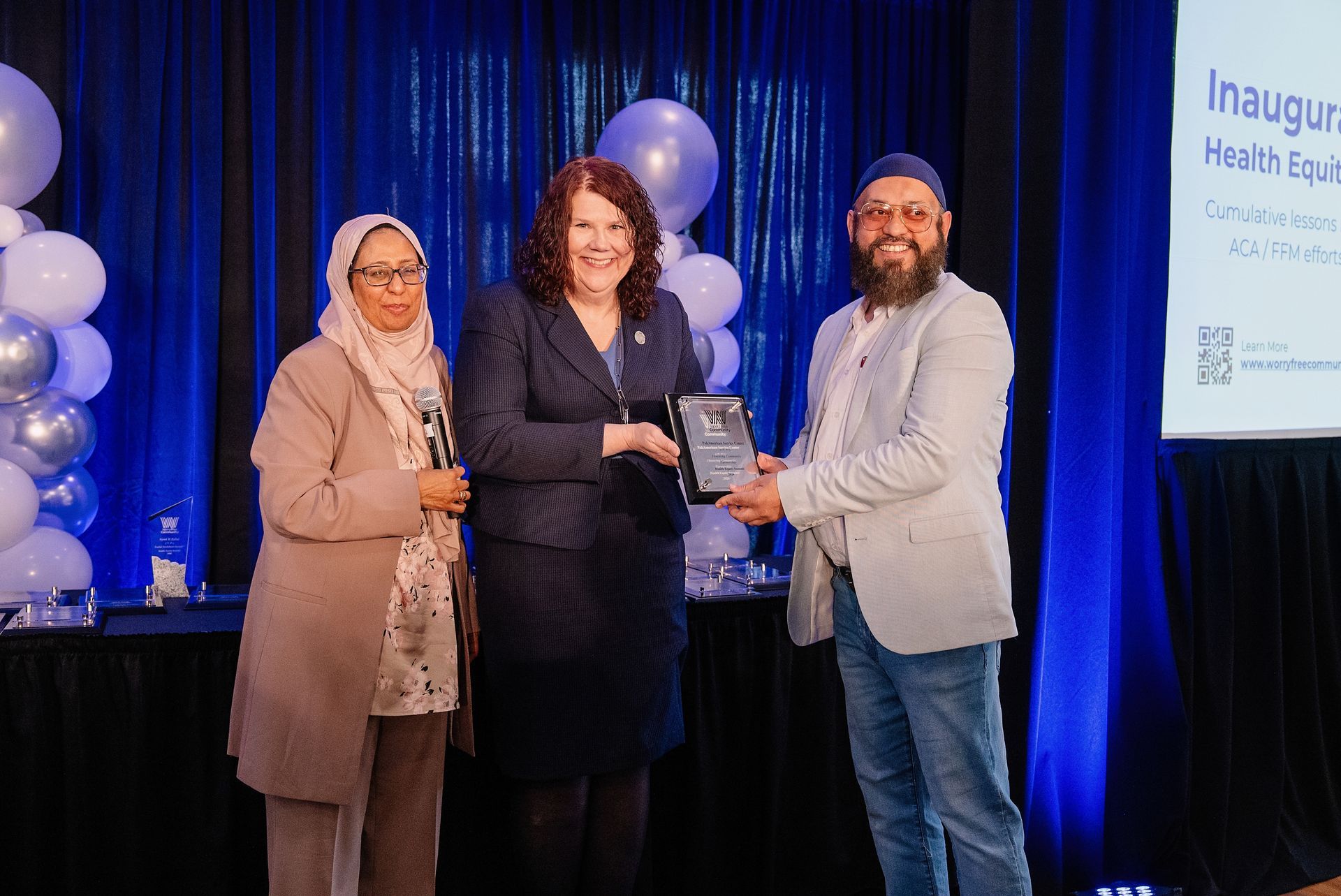
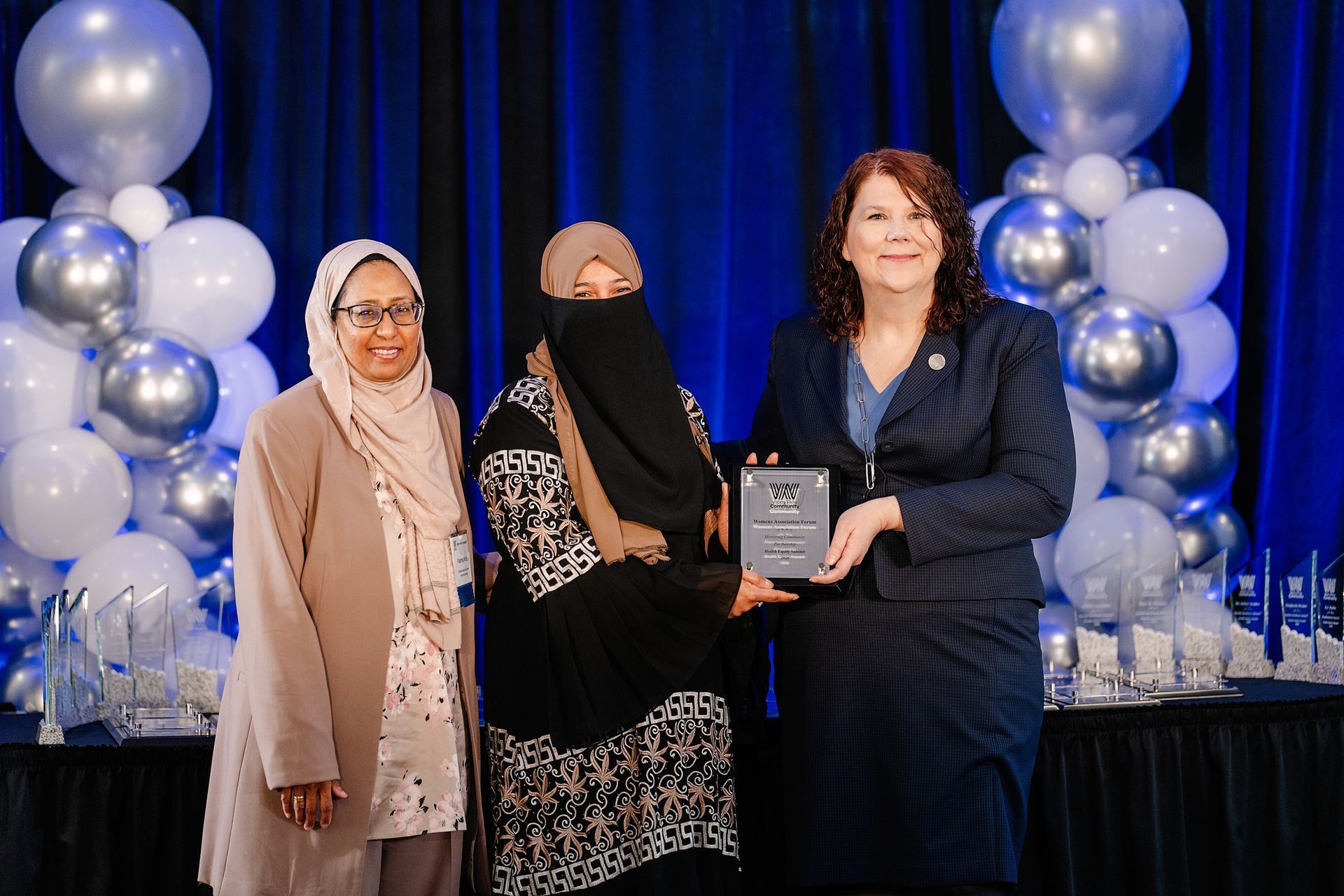
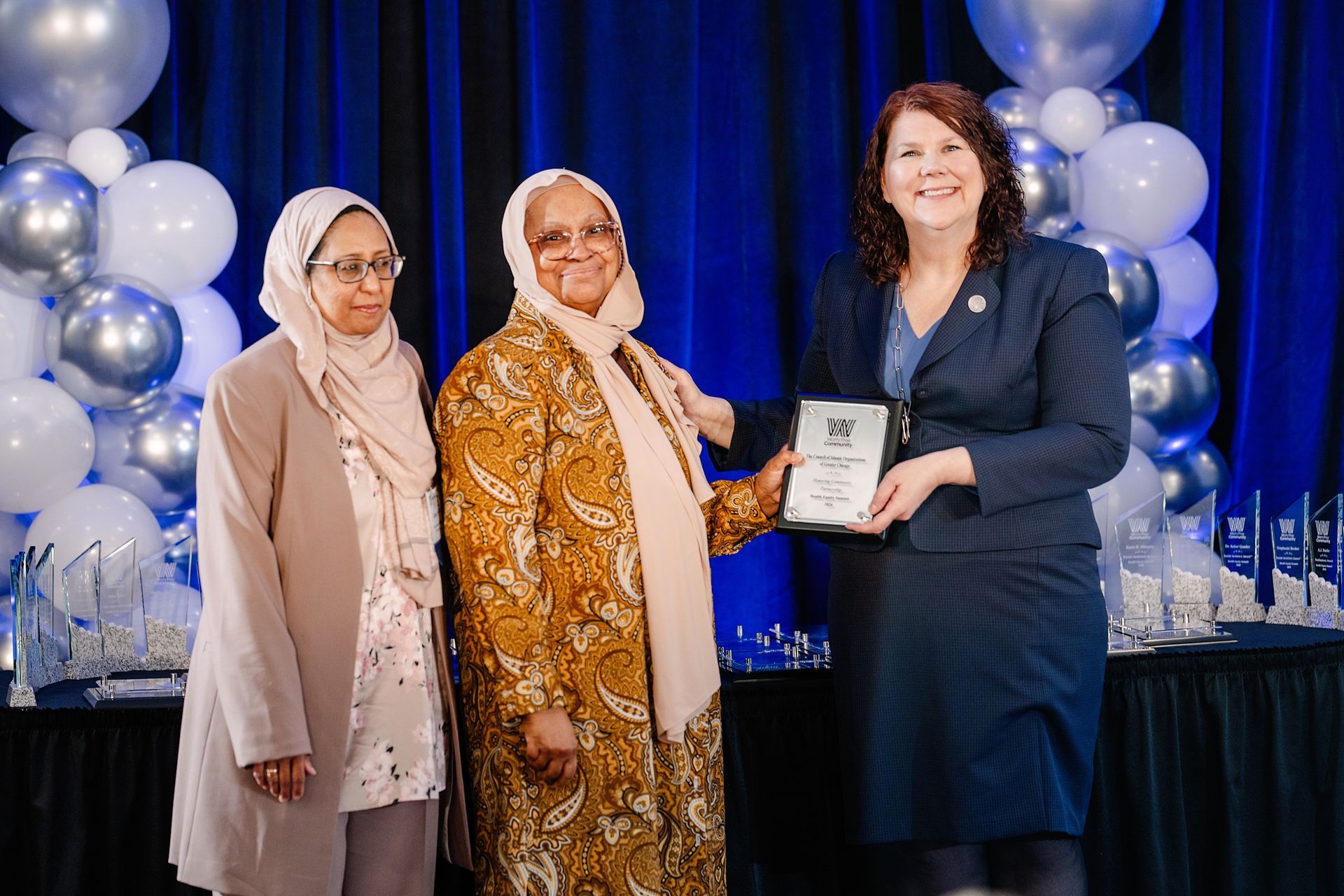
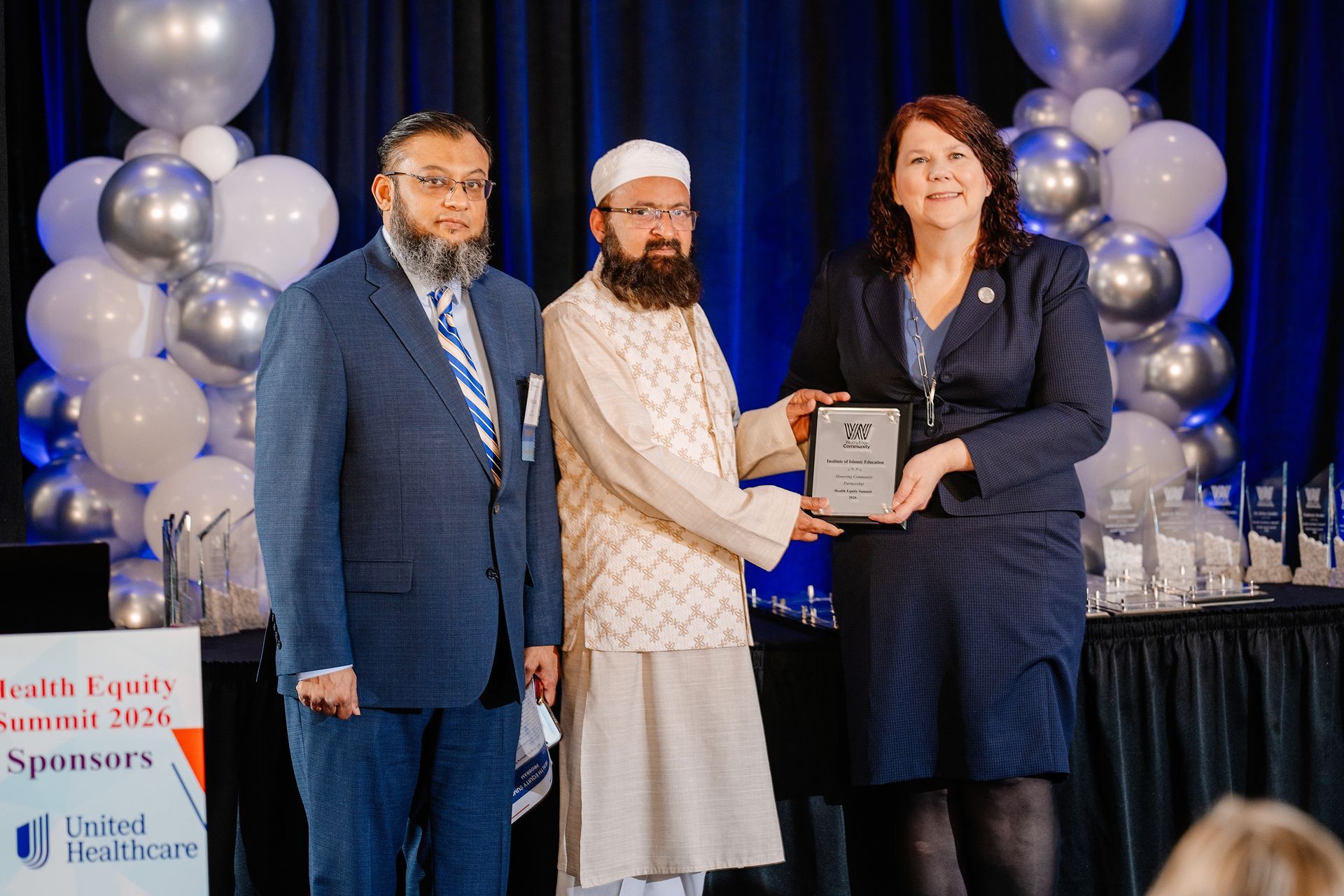
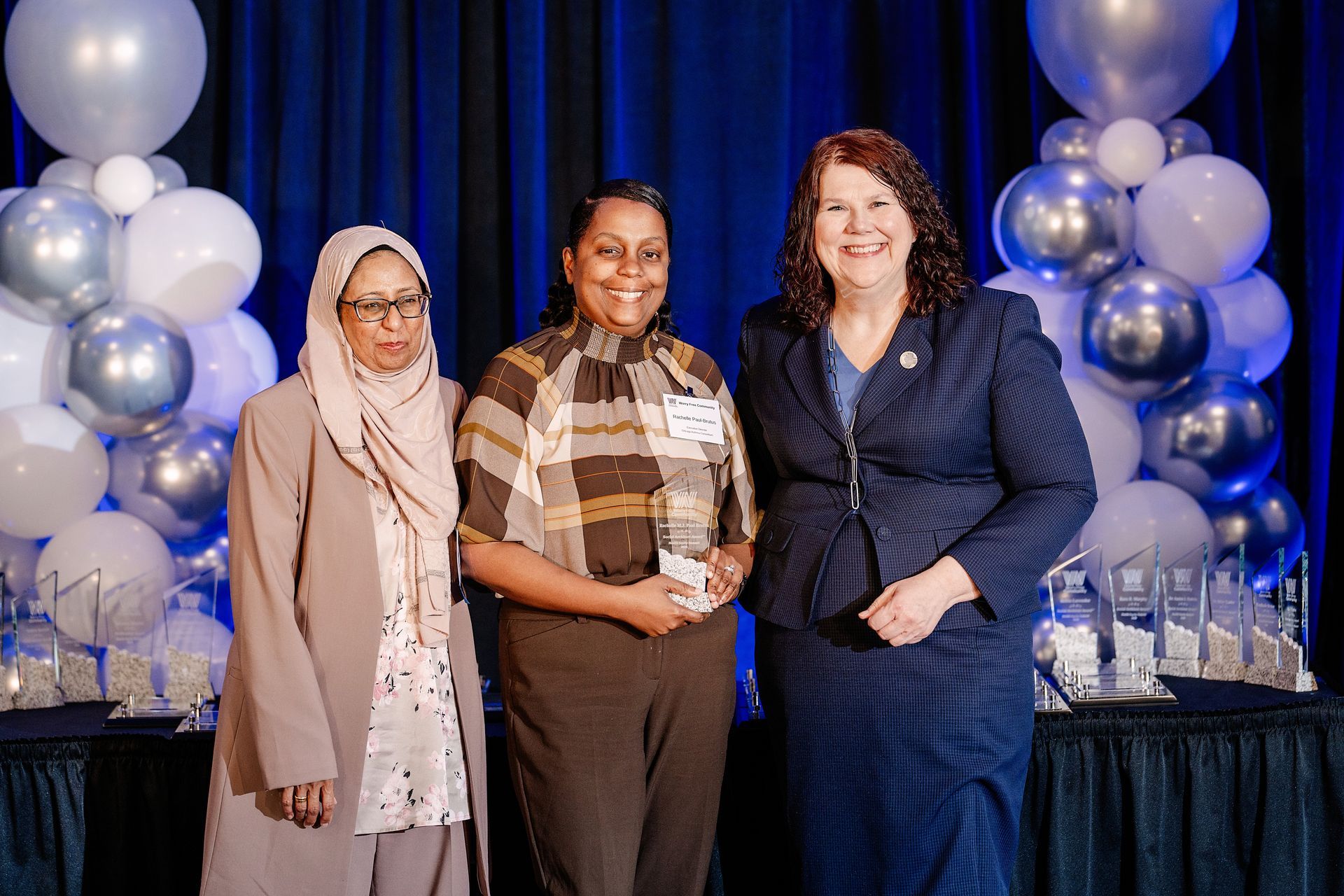
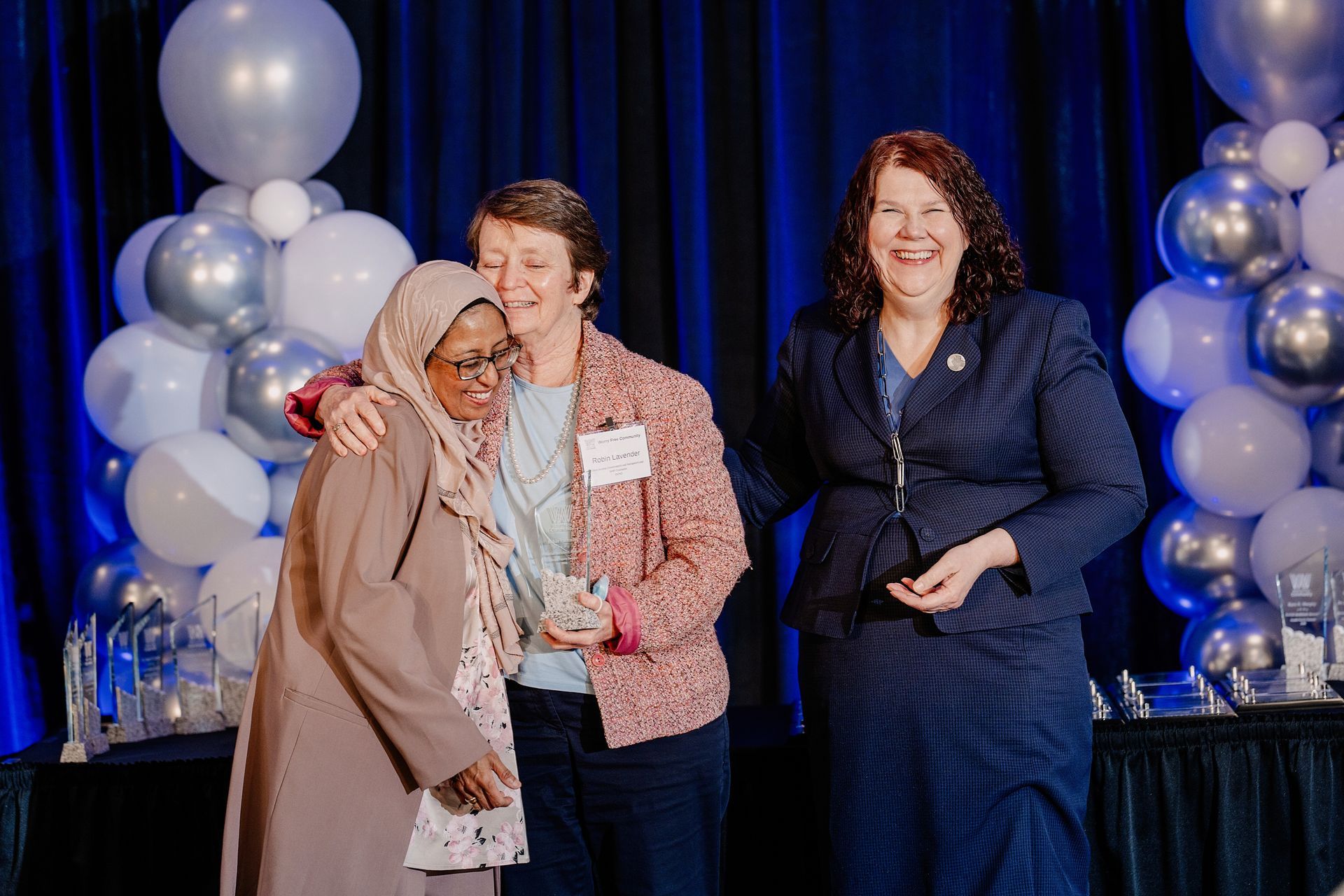
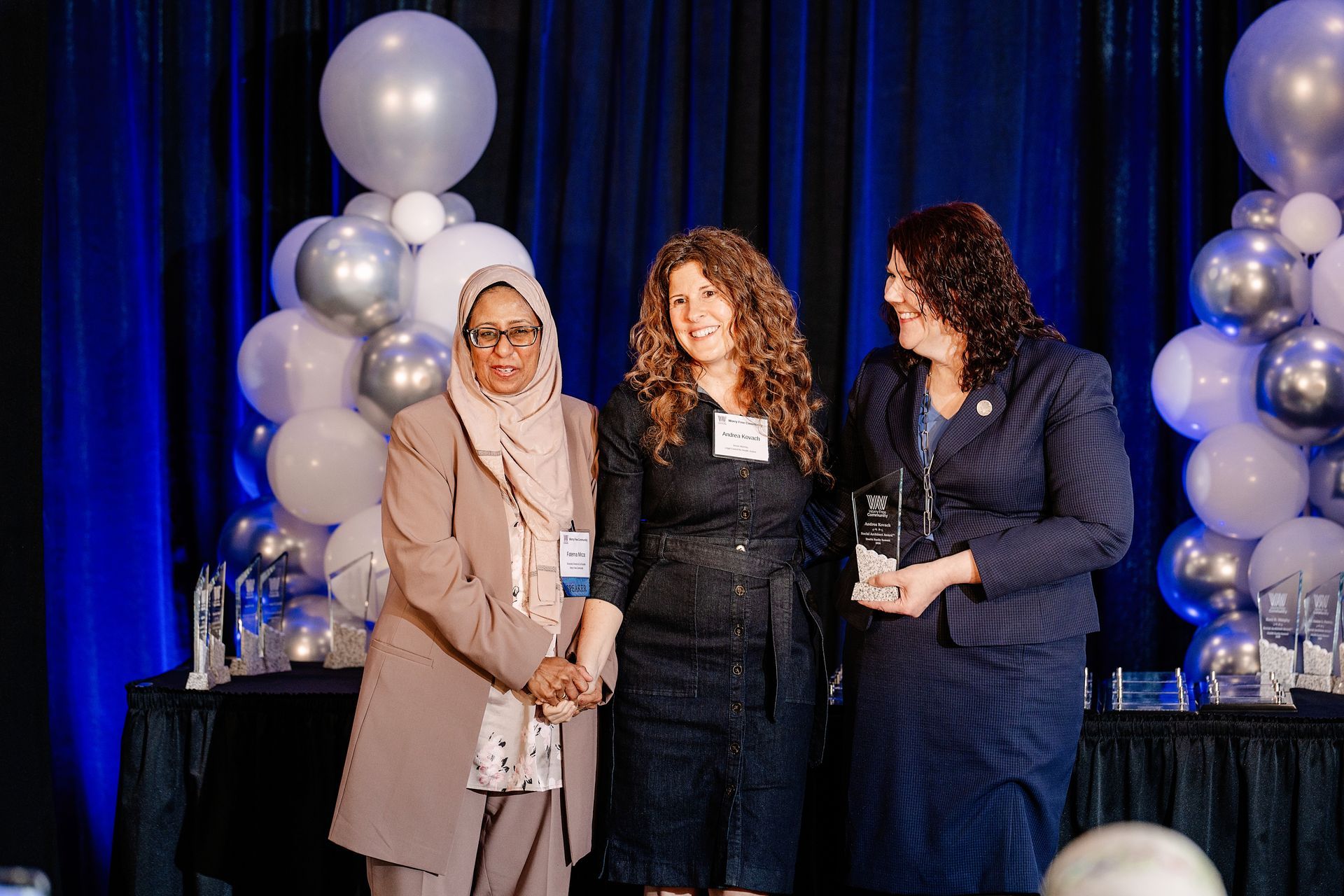
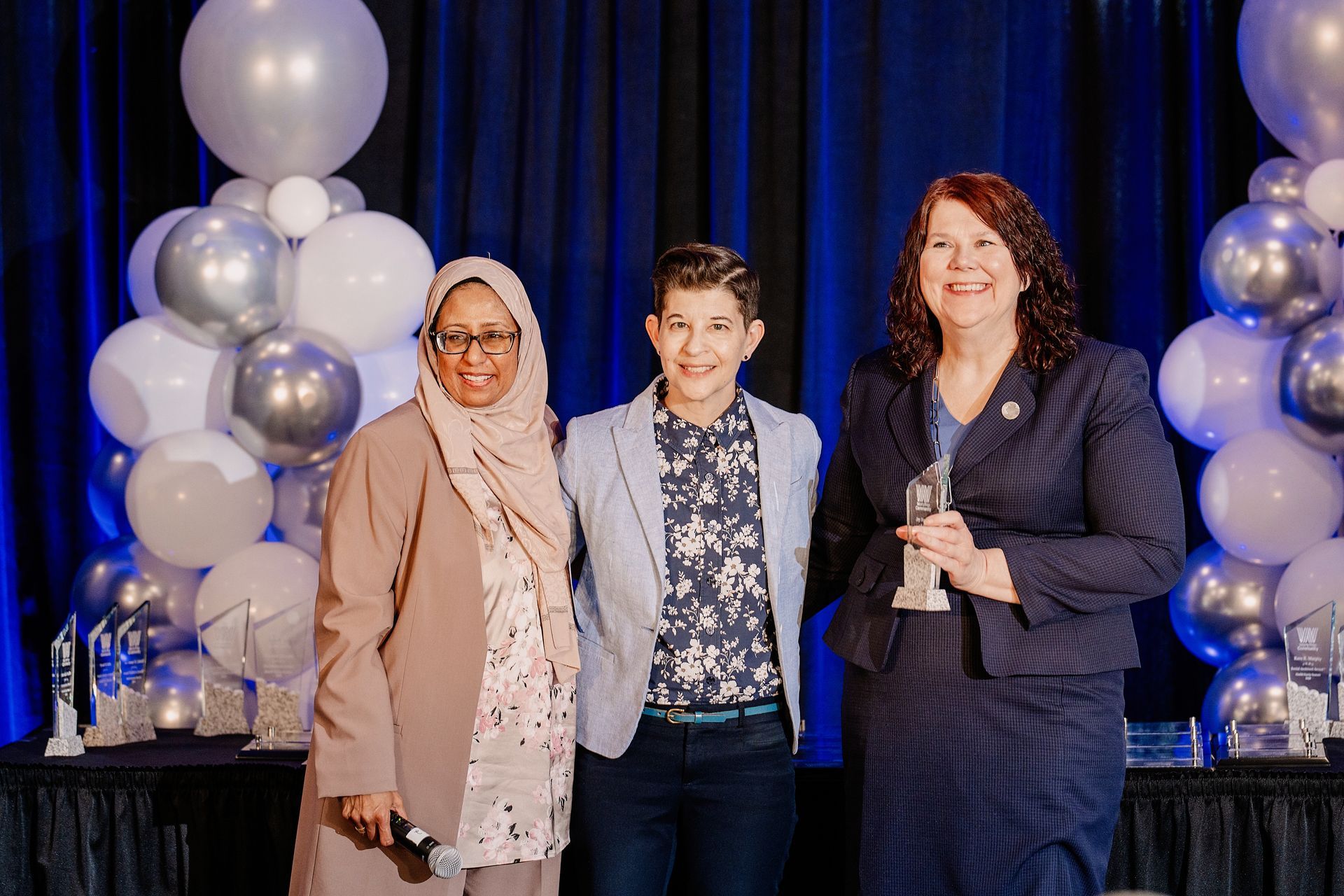
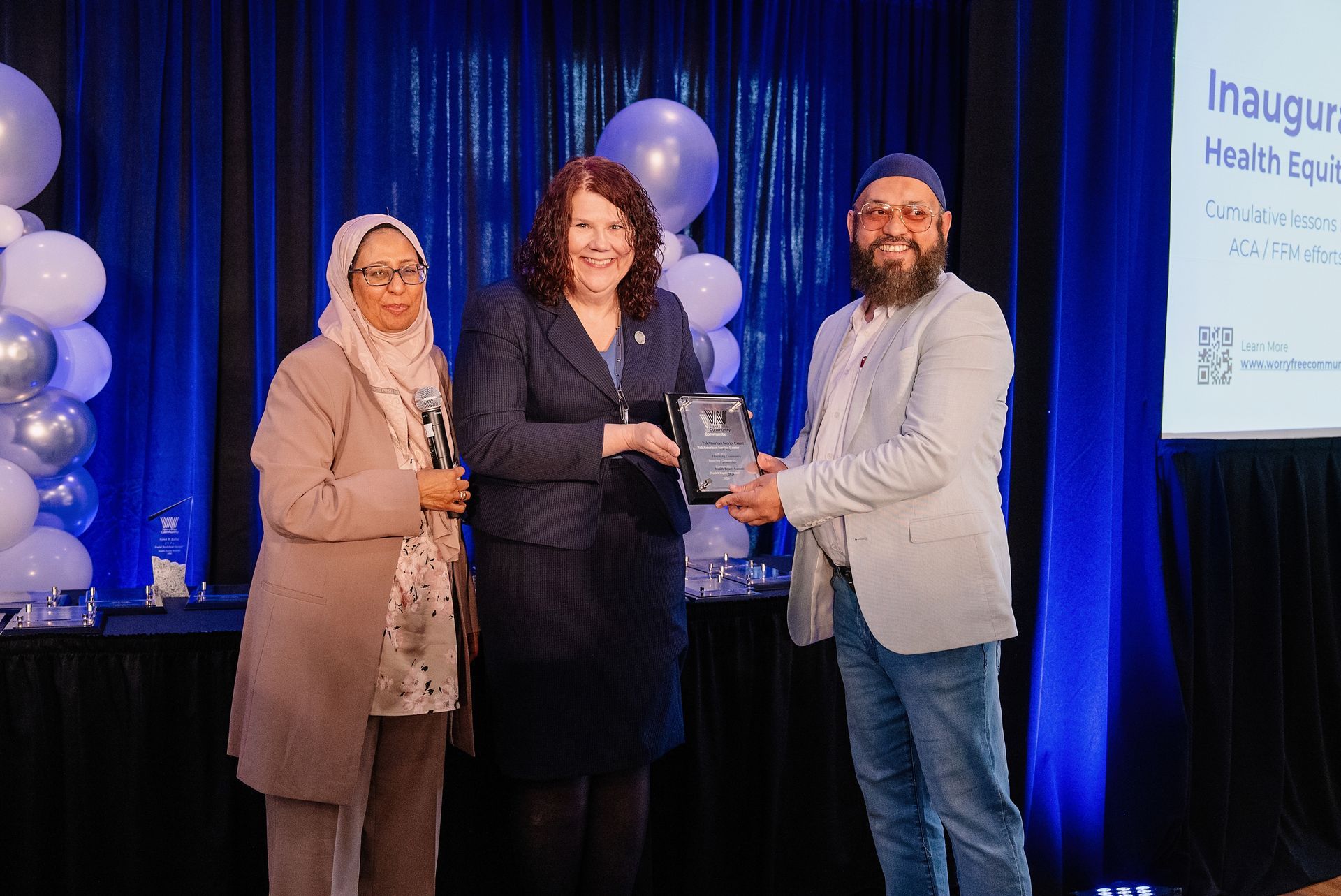
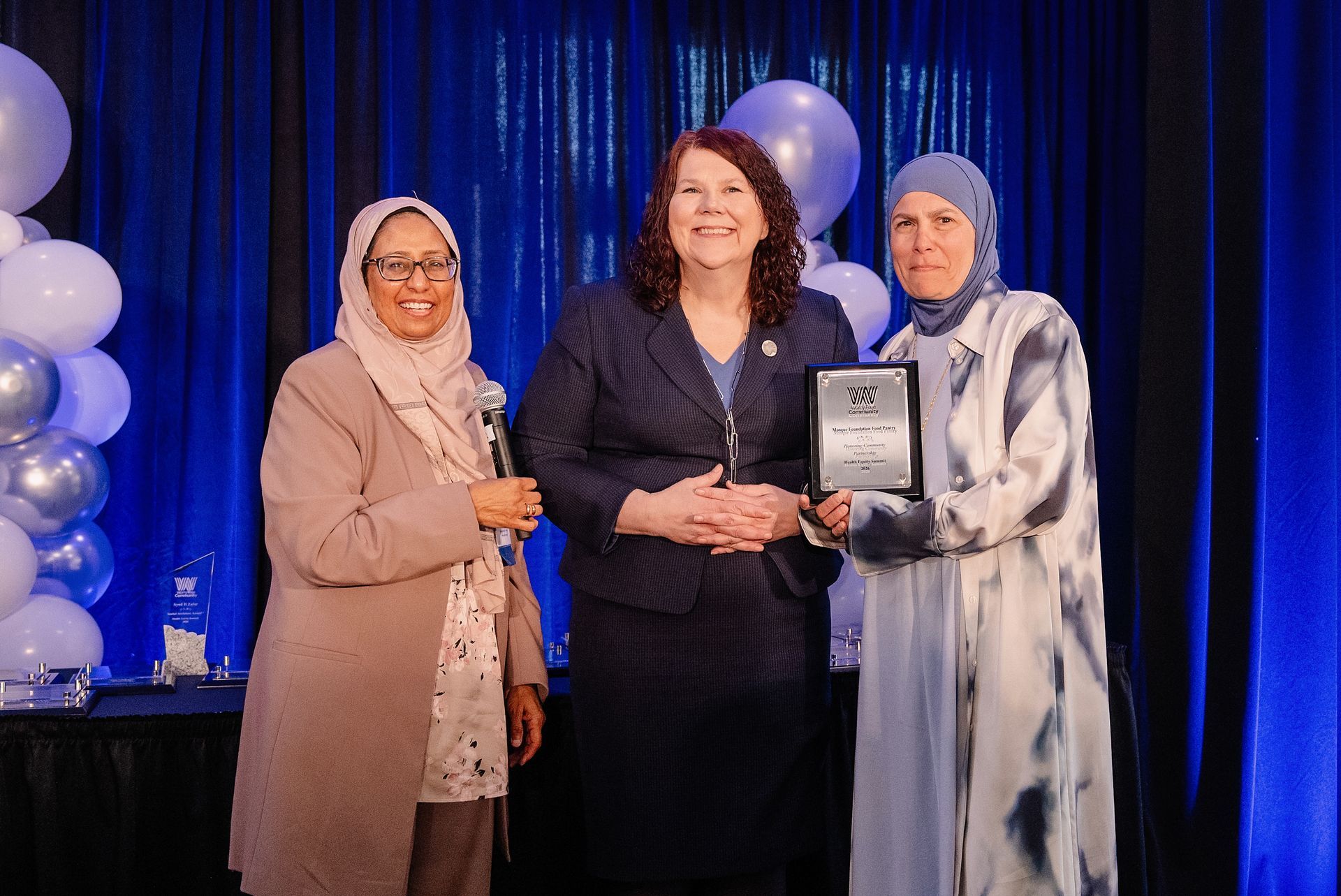
Social Architect Awards Ceremony
Carol West, IDOI | Jade Sterling, WFC | Kader Sakkaria, WFC
The afternoon culminated in the summit's most anticipated moment—the Social Architect Award™ ceremony. Fifteen distinguished leaders were recognized for their transformative contributions to healthcare access, health equity, and social justice across the Greater Chicagoland area. The ceremony also included Health Equity Recognitions for 30 community-based organizations whose partnership over the years has been indispensable.




3:15 pm
Concluding Remarks, Vote of Thanks & Adjourn
Fatema Mirza, WFC | Kader Sakkaria, WFC
The summit closed with concluding remarks from Fatema Mirza, including the announcement of the date for the next Health Equity Summit—signaling that this was not a one-time event, but the beginning of an ongoing convening tradition. The vote of thanks, led by Kader Sakkaria, honored every partner, speaker, awardee, and attendee who made the day possible.
The closing message was clear: the work of health equity is intergenerational, cross-sector, and community-rooted. Worry Free Community is committed to continuing this conversation—and to building, year by year, toward a healthcare system that leaves no one behind.
The 12-Year Journey
A Decade of Progress
2013 – 2017
The Early Years of the Affordable Care Act
The early years marked the beginning of large-scale enrollment efforts within underserved communities. Through the Worry Free Health initiative, grassroots outreach and education played a critical role in connecting individuals to healthcare coverage for the first time. WFC established its faith-based community model, developed enrollment metrics, and began building its Community Health Worker program—laying the foundation for the decade ahead.
2018 – 2021
The COVID Years & System Resilience
Policy shifts and the COVID-19 pandemic created new challenges—and new opportunities. This period revealed both the vulnerabilities in the system and the resilience of community-based models, particularly in maintaining coverage and adapting to rapidly changing conditions.
2018 – 2021
The COVID Years & System Resilience
Policy shifts and the COVID-19 pandemic created new challenges—and new opportunities. This period revealed both the vulnerabilities in the healthcare system and the resilience of community-based models. WFC adapted with its Virtreach model, maintained enrollment continuity, and demonstrated how trusted, faith-rooted organizations could sustain care access even during unprecedented disruption.
2022 – 2025
Post-COVID Evolution & The Road Ahead
As the healthcare landscape evolved post-COVID, new patterns emerged in coverage, consumer behavior, and provider response. These years highlight how community health systems adapted—and where gaps still remain. The post-COVID era also saw increased pressure on the ACA, underscoring the urgent need for the cross-sector collaboration and trusted outreach that WFC has championed throughout its history.
Download the Full Report
Access all summit presentations, the 12-Year Open Enrollment report, enrollment trend data, and community health insights from the inaugural Health Equity Summit.
Partners Include