Community Health Volunteering
Serve your neighbors, close health gaps
Community health volunteering with Worry Free Community is a way to turn compassion into action across Chicagoland. Whether you help at clinics, outreach events, or education sessions, your time brings care closer to people who might otherwise go without.
Why volunteers matter for community health
Neighbors helping neighbors stay well
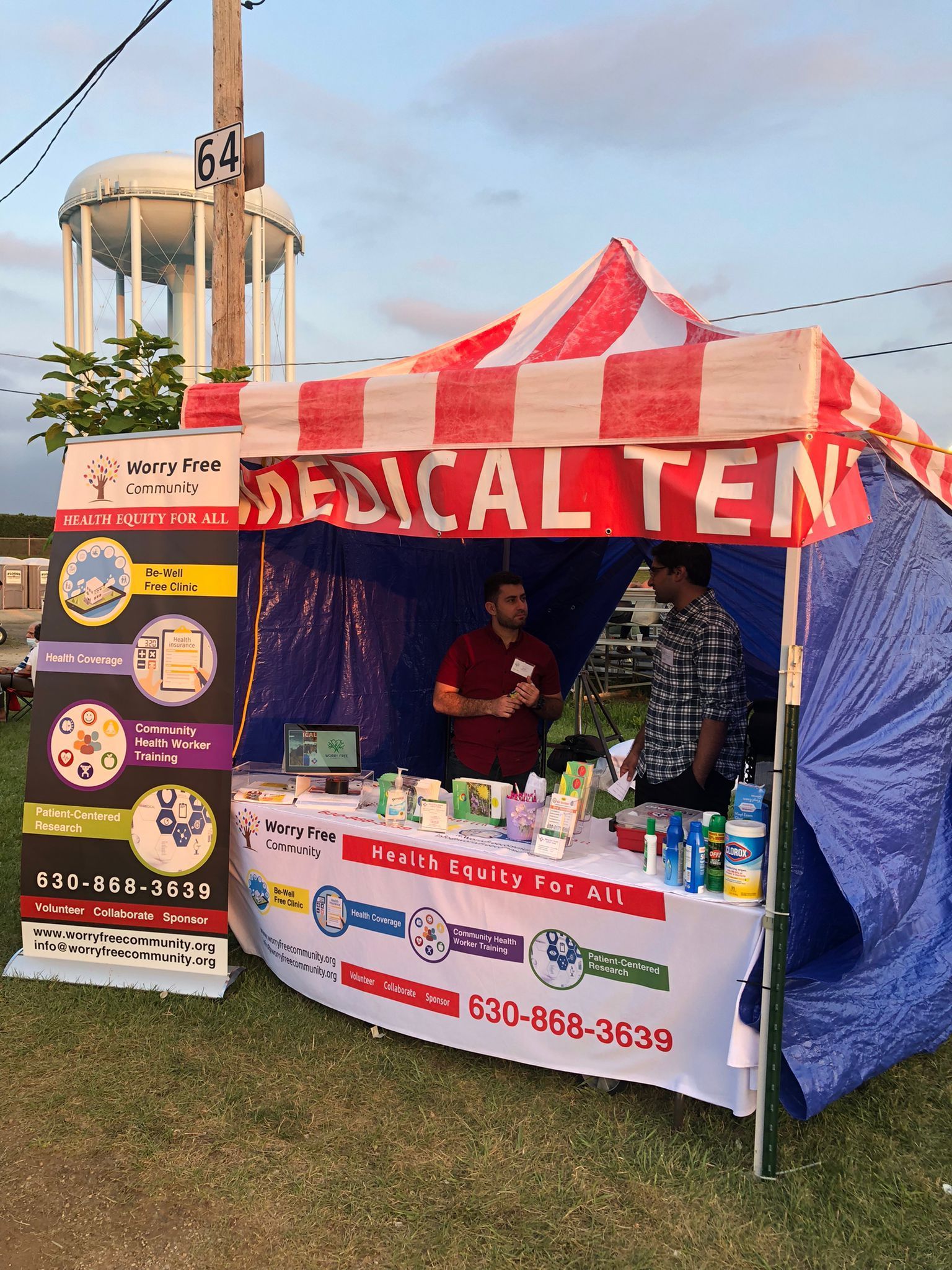
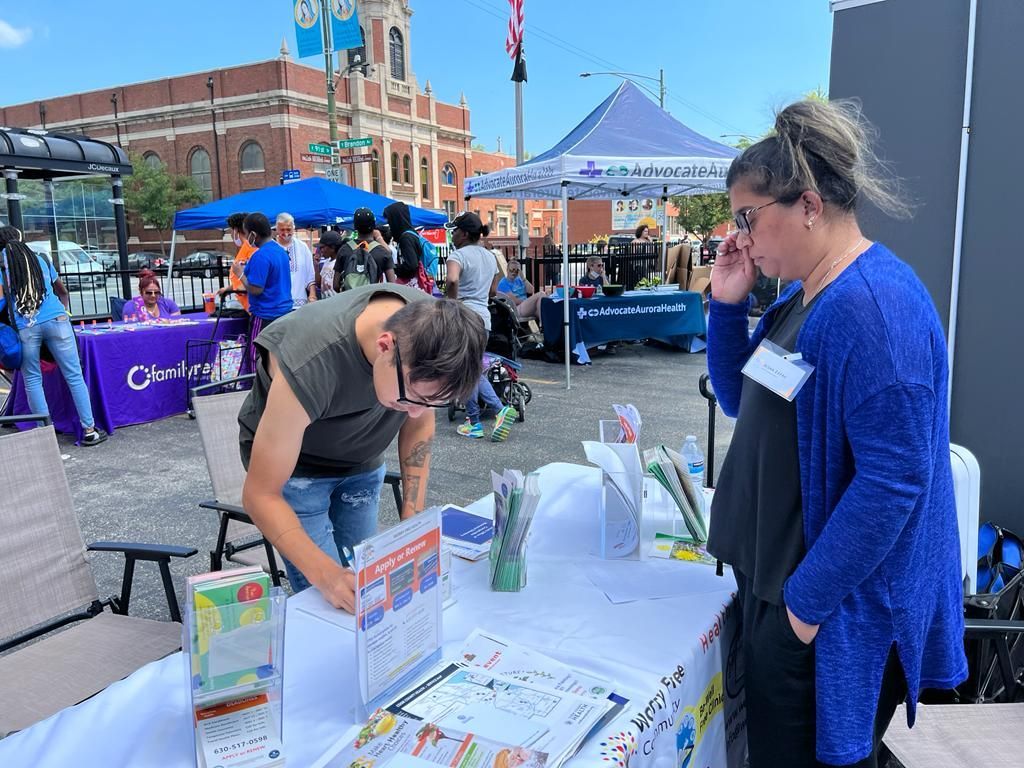
Volunteers are at the heart of how Worry Free Community reaches families who struggle with access to care. When you offer your time and skills, you help patients feel welcomed, respected, and less alone in a complex system. Many of the people we serve are new to the United States, juggling work, language barriers, and confusing coverage rules. Volunteers make it easier for them to ask questions, understand options, and follow through. Over time, community health volunteering becomes a bridge between clinics, congregations, and everyday life.
Ways to serve in community health
Roles that match your interests and skills
There are many ways to get involved, from direct service to behind the scenes support. Some volunteers help with clinic support and outreach, while others assist with coverage events or research activities. You do not need a health background to make a difference; what matters most is reliability, respect, and a willingness to learn. Our team will work with you to find a role that fits your schedule and comfort level. As needs change across Chicagoland, volunteer opportunities may grow or shift, and we will keep you informed.
- Clinic day support such as check in, forms, and hospitality.
- Outreach at community events, mosques, churches, and local gatherings.
- Assistance with coverage counseling events and resource referrals.
- Support for education projects, surveys, or data entry.
Training and support for volunteers
Orientation, mentorship, and ongoing learning
Before you step into a role, you will receive an orientation that covers our mission, values, and practical expectations. Staff and experienced volunteers walk you through what a typical shift looks like so you feel prepared. For those who want to deepen their involvement, there are paths toward training and mentorship that connect to community health worker work or related efforts. We take care to create spaces where questions are welcomed and feedback is shared openly. This approach helps everyone grow while keeping the focus on respectful, patient centered care.
Who can join our volunteer team
Students, professionals, retirees, and community members
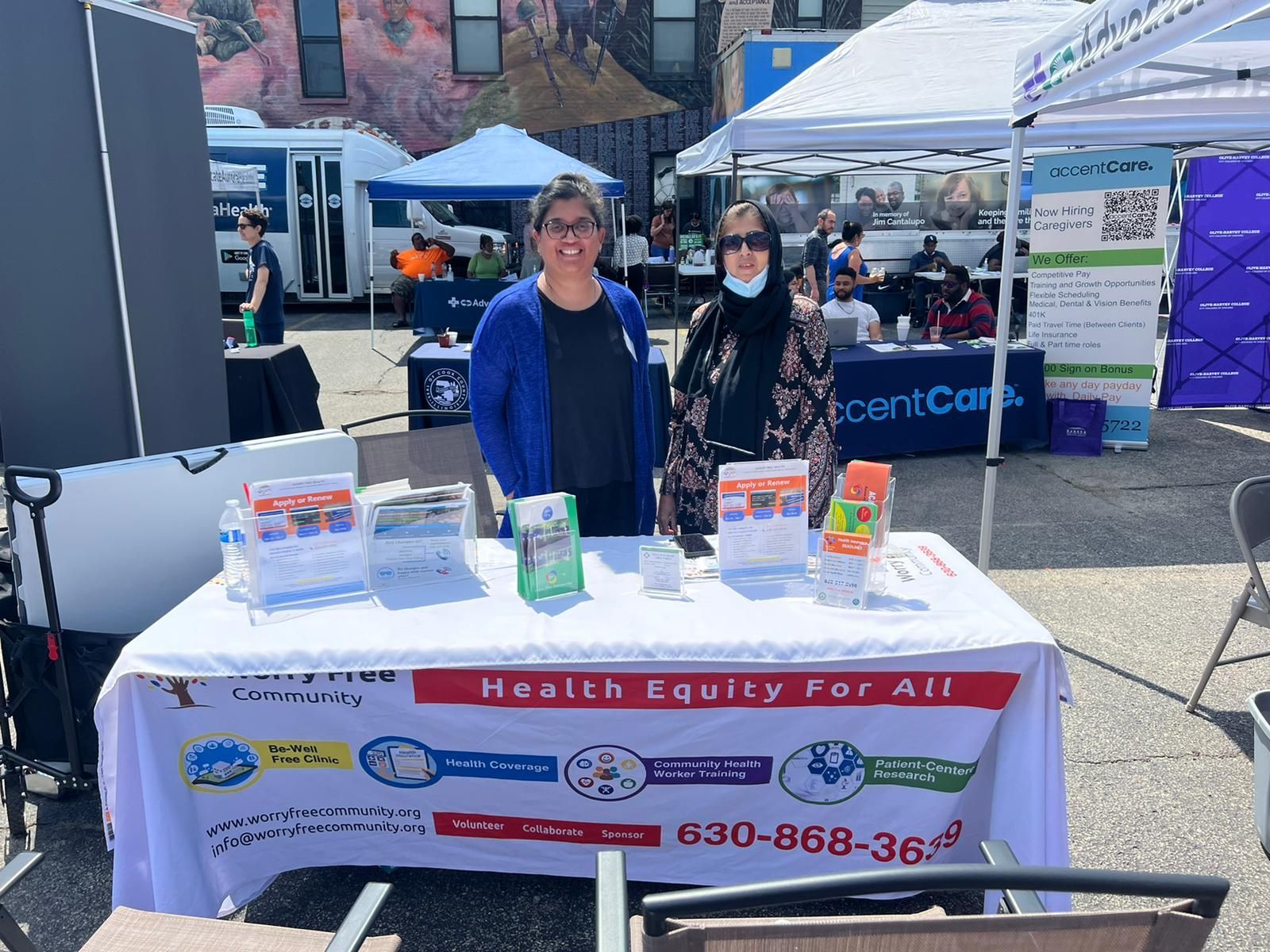
People of many ages and backgrounds volunteer with Worry Free Community, including students, working professionals, caregivers, and retirees. Some are exploring careers in health or community work, while others simply want to give back where they live and worship. We welcome volunteers who speak multiple languages, have lived experience with migration, or understand local neighborhoods from the inside. Time commitments can range from occasional events to regular clinic days, depending on your capacity. If you are unsure where you fit, our team is happy to talk through options and help you decide how to begin.

How to get started as a volunteer
Simple steps toward meaningful service
The first step is to reach out and share your interest so we can learn a bit about your background, schedule, and preferred type of service. From there, we will invite you to an orientation or conversation about current needs and next steps. You will have space to ask questions and think through how volunteering fits into your life. Once you are ready, you can sign up for specific opportunities and begin supporting community health volunteering across our network of programs. Over time, many volunteers find that service deepens their connection to neighbors and to their own values.
Questions about community health volunteering
Details for new and interested volunteers
What kinds of volunteer roles are available?
Volunteer roles range from greeting patients and helping with forms to supporting outreach events, coverage counseling activities, and education projects. Some assignments involve direct interaction with patients, while others are more behind the scenes. We try to match each person with tasks that fit their comfort level, skills, and schedule. As new initiatives launch, we may introduce additional roles and let current volunteers know first.
Do I need a health or professional background to volunteer?
No, you do not need clinical training or a specific professional degree to help. Many roles focus on hospitality, translation, logistics, or simple administrative tasks that keep programs running smoothly. If a role does require specialized training, we will be clear about that ahead of time. We value lived experience, cultural knowledge, and a willingness to learn just as much as formal credentials.
How much time do I need to commit?
Time commitment can be flexible and depends on the role. Some volunteers help once a month or a few times a year at clinic days or special events. Others choose to support programs more regularly when their schedule allows. During your initial conversation, we will talk about your availability so you can choose a level of involvement that is realistic and sustainable. If your situation changes, we can adjust your volunteer plan together.
Can students or groups volunteer together?
Yes, students and community groups are welcome to explore opportunities to serve together. Group volunteering may work well for special events, food distributions, or outreach activities that need several sets of hands. Because space is sometimes limited, we may ask for advance notice so we can plan accordingly. When a group reaches out, we will talk through goals, expectations, and options that make sense for everyone involved.
How do I sign up to volunteer?
You can start by reaching out through our contact form or by speaking with staff at a clinic or community event. We will follow up with information about the next orientation or a time to talk about your interests. After that, you can sign up for specific shifts or roles as they become available. Throughout the process, our team will support you so you feel ready and informed as you step into service.
