Community Health Worker Certification Pathway
Supporting CHWs across Chicagoland
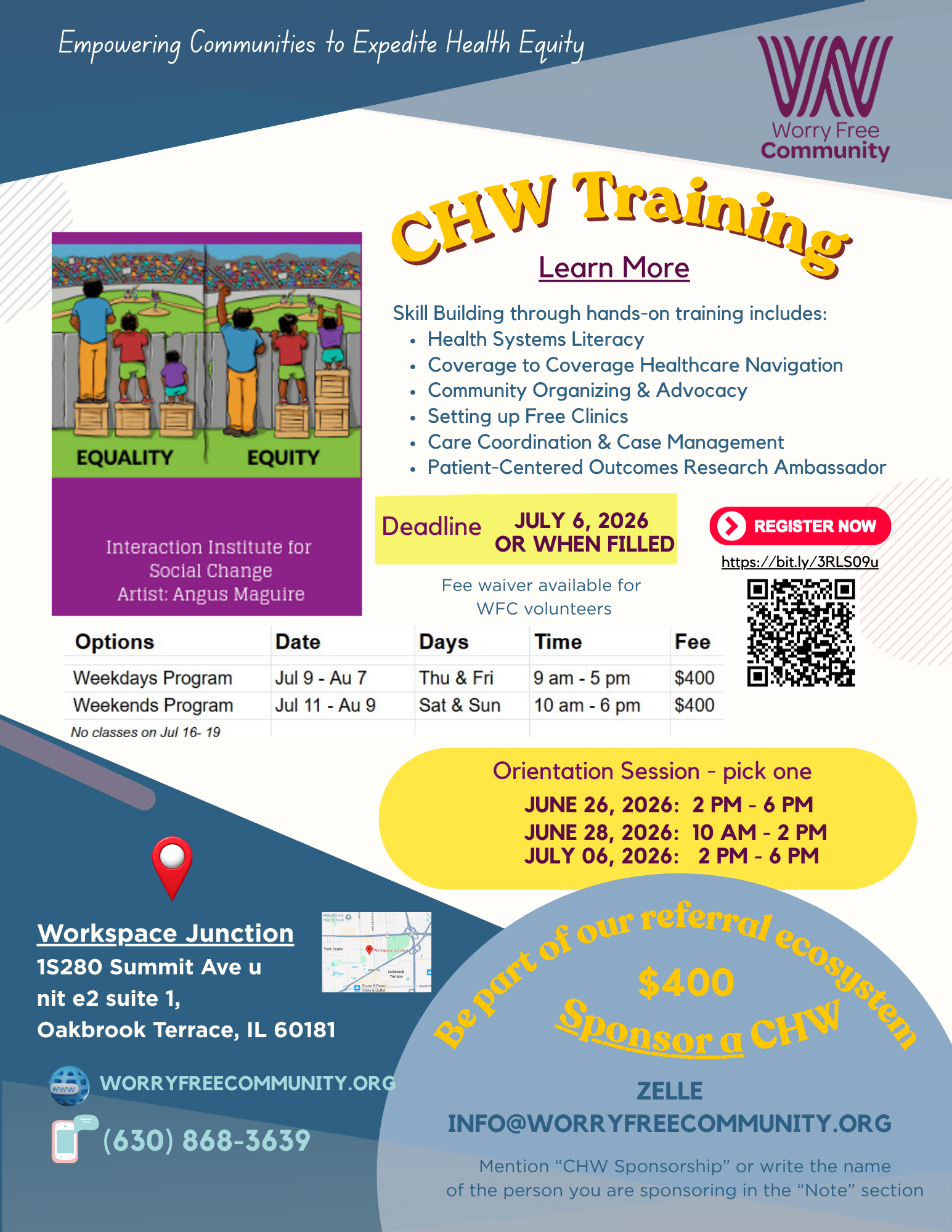
Worry Free Community walks alongside neighbors who feel called to community health worker roles and want to understand how community health worker certification in Illinois works. Our team helps you explore training options, next steps, and real practice opportunities so you can serve your community with confidence.
CHWs at the heart of community care
Bridging healthcare and everyday life
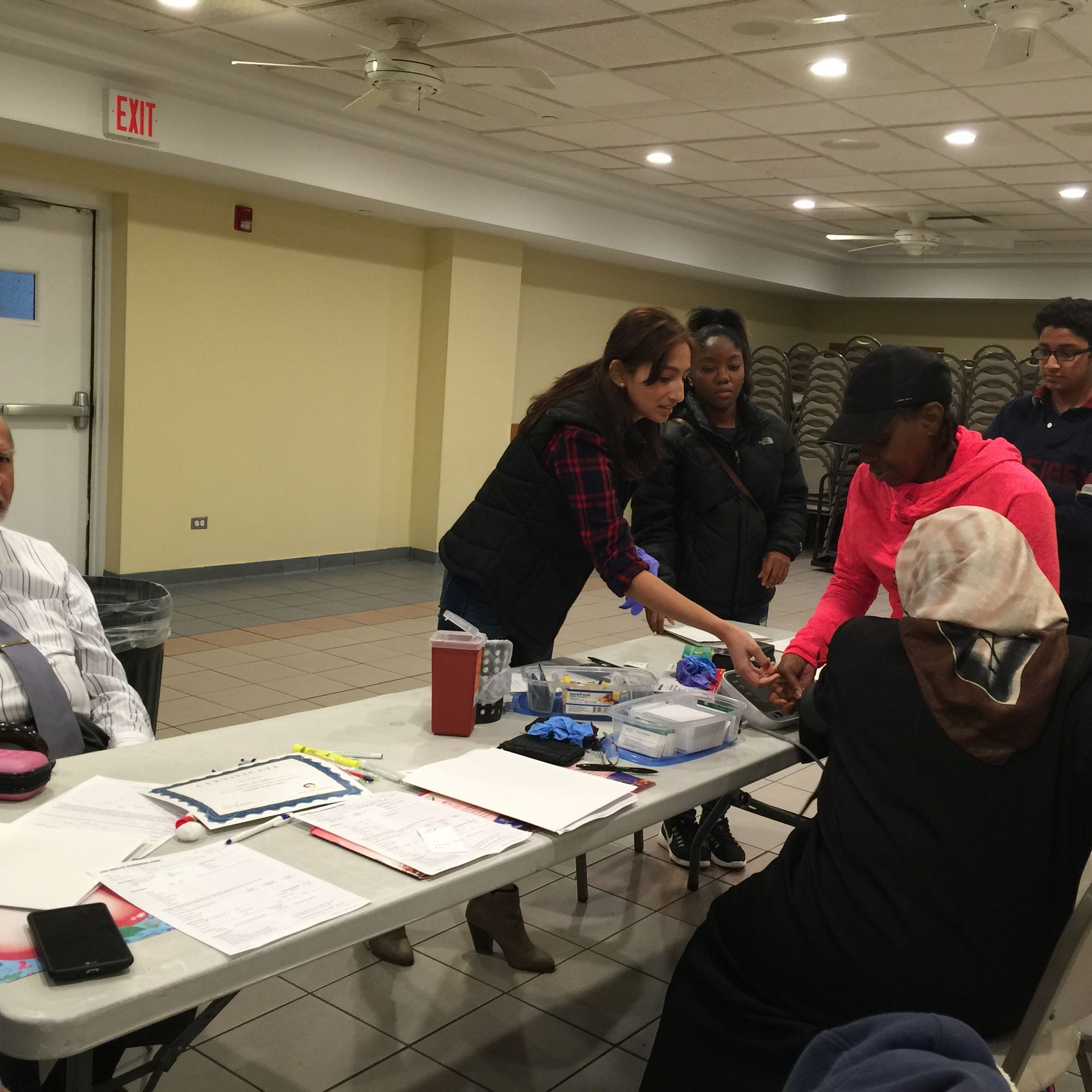
Community health workers are often the first people neighbors turn to when they have questions about clinics, coverage, or how to navigate the health system. They speak the languages of the community, understand local customs, and can explain care plans in ways that feel practical and respectful. In many Chicagoland neighborhoods, CHWs help connect families to clinics, social services, and wellness programs that might otherwise stay out of reach. Worry Free Community sees CHWs as a bridge between medical settings and everyday life. When we invest in CHW training Chicagoland, we strengthen the whole community.
Overview of CHW certification in Illinois
Understanding the certification landscape
Illinois has been working to formalize community health worker roles so training and skills are recognized across settings. While requirements can evolve over time, most pathways involve a mix of classroom learning, practical experience, and proof of core competencies. Worry Free Community does not issue state certification, but we help people understand how different programs fit into the broader community health worker certification picture. We encourage you to think about your existing experience, education, and language skills as you explore next steps. Our role is to help you ask the right questions and stay informed as statewide standards continue to grow.
- Learn what core skills and topics Illinois CHW programs tend to cover.
- Explore training options that match your schedule and experience.
- Understand how volunteer and paid roles can build your resume.
- Stay updated as state-level CHW pathways develop over time.
How Worry Free Community supports CHWs
Walking the path with you
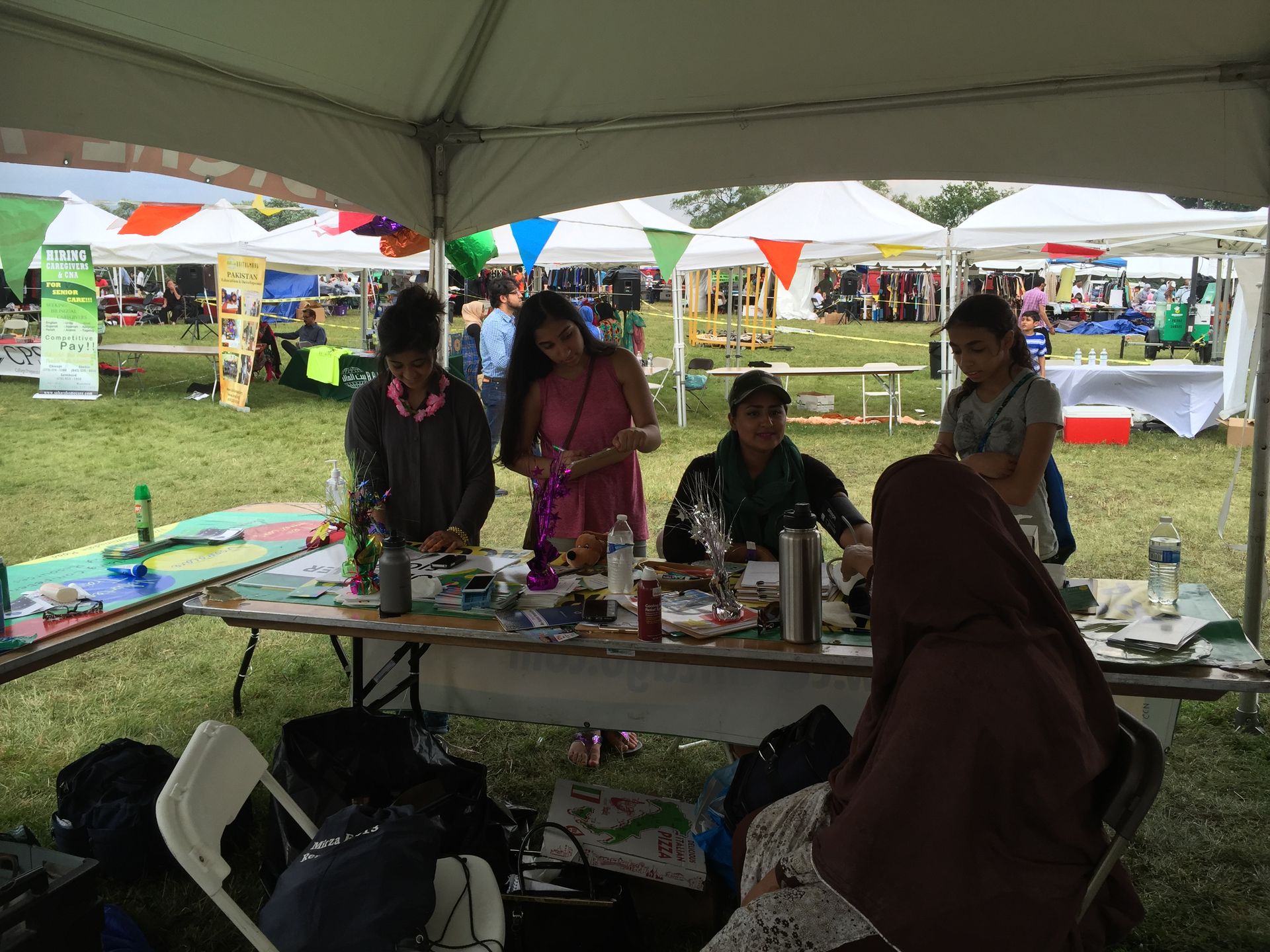
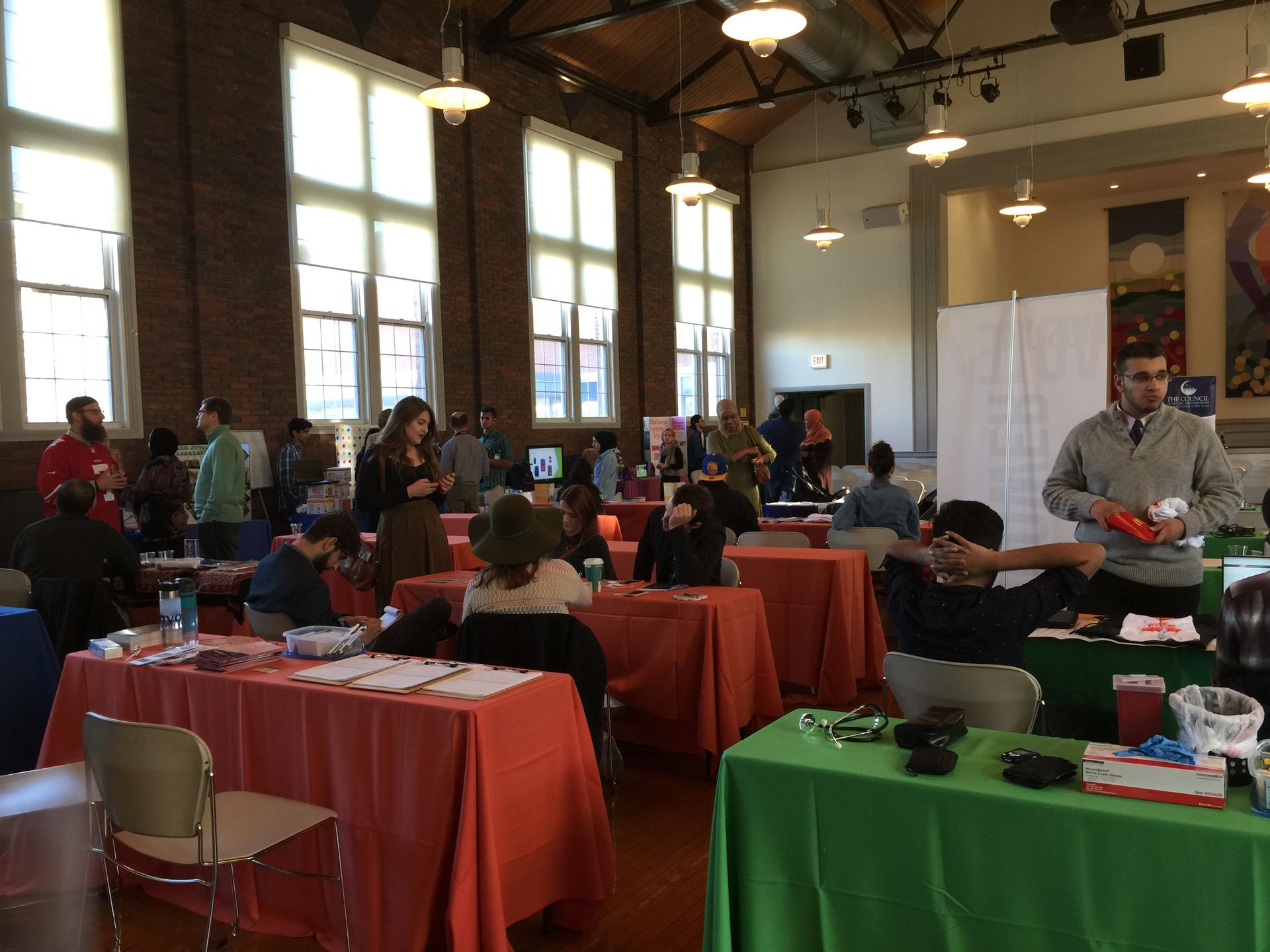
Worry Free Community offers spaces where aspiring and active CHWs can practice skills, reflect on experiences, and receive guidance from more seasoned team members. Through clinics, coverage programs, and faith-based initiatives, volunteers often gain hands-on experience that complements formal coursework. Our staff can help you think through what kind of CHW certification support you may need, from basic introductions to longer term mentorship. Many people begin by volunteering in limited roles, then move into more advanced responsibilities as they feel ready. Along the way, we emphasize reflection, ethics, and cultural humility just as much as technical knowledge.
Who should consider CHW certification
Everyday leaders and trusted neighbors
CHW roles are often a good fit for people who already informally help others navigate health and social services. This can include congregational volunteers, clinic helpers, youth leaders, caregivers, and those who have walked their own health journeys. Students exploring public health, professionals seeking more community-focused work, and retirees looking for purposeful service may also be strong candidates. What matters most is a willingness to listen, learn, and honor the stories of others. If this sounds like you, contact our team to talk through whether CHW certification might align with your next steps.
Next steps on your CHW journey
Moving from interest to action
Taking the first step can feel overwhelming, especially if you are juggling work, family, or school. Worry Free Community can help you map out a realistic pathway that might include short workshops, shadowing opportunities, and more formal courses over time. We encourage you to write down your goals and questions so our staff can tailor guidance to your situation. From there, we can point you toward partners who offer classes near Chicago and online learning that fits your schedule. With steady support, community health worker certification becomes a reachable path rather than a distant idea.
Questions about CHW certification
Guidance for future community health workers
What does a community health worker do day to day?
Community health workers spend much of their time listening, teaching, and connecting people to resources. They might attend clinic visits with a patient, follow up after an appointment, or help families understand coverage and social service options. In some settings, CHWs lead small group education sessions or support faith-based wellness efforts. The work looks different from place to place, but it always centers on building trust and reducing barriers to care.
Do I need a college degree to pursue CHW certification?
A college degree is not required for most CHW roles, and lived experience is often one of the most valuable qualifications. Illinois CHW certification program guidance focuses more on training hours, competencies, and supervised practice than on formal degrees. That said, some people do pair CHW work with other studies in fields such as social work or public health. Worry Free Community can help you think through what combination might fit your goals.
How long does CHW training usually take?
Training length can vary depending on the program, schedule, and whether you are completing in-person or virtual sessions. Some courses run for several months with weekly classes, while others are designed as intensive short-term programs. Practice hours and mentorship may extend the timeline, but they also deepen your skills and confidence. When we talk about CHW training Chicagoland options, we look at your current commitments so the plan feels realistic.
Can I start volunteering before I am certified?
Yes, many people begin with volunteer roles to get a feel for community health work before moving into formal training. Opportunities might include assisting at events, supporting outreach, or helping with basic navigation tasks under supervision. These experiences help you decide whether the work fits your strengths and energy. They also give you stories and skills you can bring into future training and certification efforts.
How do I learn about current CHW training opportunities?
Training options can change during the year, so staying connected to local networks is important. Worry Free Community encourages interested volunteers to visit our resources and sign up for updates about upcoming workshops or CHW-related events. We also share information from partner organizations that offer courses across the region. Reaching out to our team directly is another way to hear about opportunities that match where you live and how you hope to serve.