Clinical Impact Across our Communities
How free clinics change everyday health
Worry Free Community and its partners measure community clinic impact Chicago residents can feel in their daily lives, not just in reports. By tracking care, access, and outcomes, we see how free and charitable clinics help families across Chicagoland move toward more stable health.


Why free and charitable clinics matter
Improving access and preventing crises
Free and charitable clinics offer care to people who might otherwise wait until a crisis sends them to the emergency room. In neighborhoods across the city and suburbs, these clinics make it possible to address chronic conditions early, answer questions in a calm setting, and build relationships over time. This approach reduces avoidable emergency visits and helps people understand how to manage their health day by day. When we talk about free clinic outcomes, we look at both the numbers and the quieter changes, like someone finally feeling comfortable asking a difficult question. These small steps add up to healthier families and stronger communities.
Key impact highlights
Numbers that tell part of the story
Each year, Worry Free Community and its partners review how many patients were served, how many visits took place, and how many labs and medications were provided at little or no cost. We also estimate how many emergency room visits may have been prevented because a clinic was available earlier in the process. These figures help us understand where the need is greatest and where clinics are making the most difference. As we share free clinic outcomes Chicagoland, we keep in mind that every statistic represents a person with a family, a history, and a future. The numbers guide our planning, but the people behind them guide our purpose.
- Patients served across multiple clinic locations each year.
- Total visits that provided primary care, screenings, or follow-up.
- Labs and medications accessed with minimal or no cost to patients.
- Estimated emergency room visits prevented through timely clinic care.
Impact in Oak Lawn, Carol Stream, and Woodlawn
Local clinics with shared goals
The clinical impact of Worry Free Community’s work shows up in places like Be Well Clinic in Oak Lawn, Wellness Clinic in Carol Stream, and Innovative Commons-connected programs in Woodlawn. Each site responds to its neighborhood’s unique history and needs while contributing to community clinic impact across the region. Patients in one area might need evening or weekend hours, while another community might focus on integrating research and training. By paying attention to these differences, we can adapt services in ways that respect local context. The stories that emerge from each clinic help us understand how to deepen our efforts in the years ahead.
Partnerships that multiply impact
Working together for broader reach
Worry Free Community does not create clinical impact alone. Partnerships with hospitals, universities, congregations, and neighborhood organizations make it possible to expand services and bring new resources into local clinics. These relationships support everything from lab access and medication support to research collaborations and training programs. As a result, free clinic outcomes Chicagoland reflect not only Worry Free Community’s contributions, but also the commitment of many other groups. When we build these connections carefully, we can reach more people and respond more quickly to changing needs.

How we measure and share success
Looking at both results and relationships
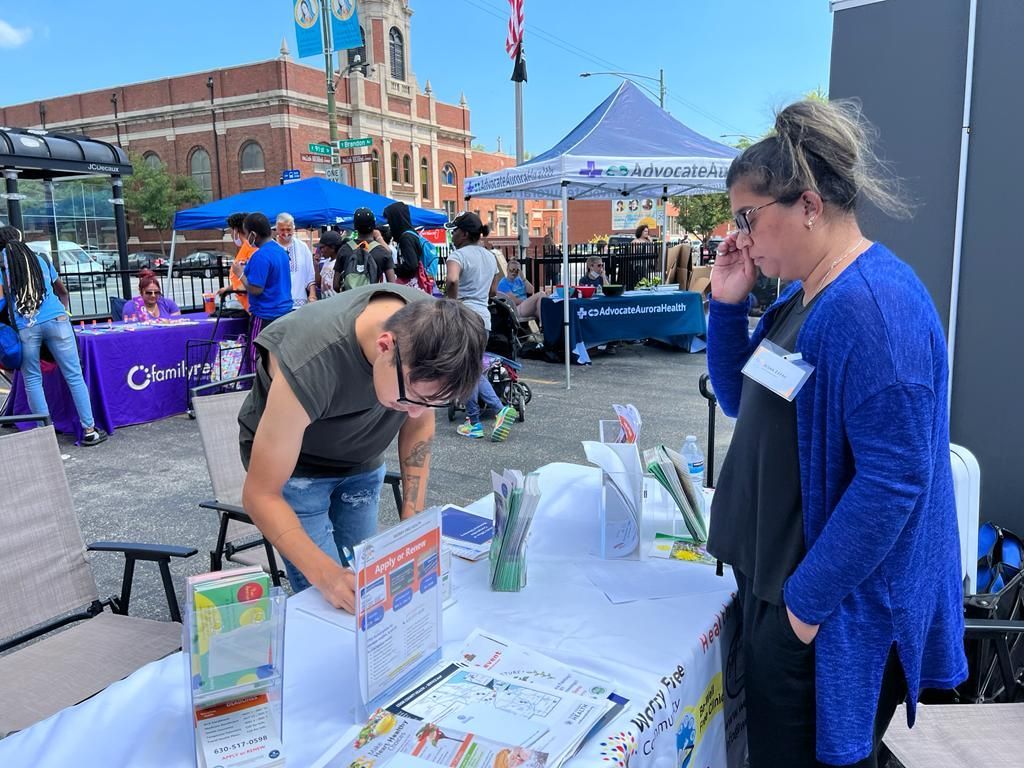
To understand clinical impact, we gather information about visits, health conditions, and services, while also paying attention to patient feedback and community input. This helps us see whether we are moving toward more equitable health outcomes or leaving some needs unmet. We share summaries of our findings in reports, presentations, and community meetings so partners and neighbors can see what has been achieved and what still needs work. For Worry Free Community, success includes more than just high numbers; it also means stronger trust and more people feeling comfortable seeking care early. This balanced view shapes how we grow clinical impact across our communities over time.
Questions about our clinical impact
Understanding what the numbers mean
How do you decide which clinics to support or expand?
We look at community need, existing resources, and the potential for lasting partnerships before starting or expanding a clinic. Data about uninsured rates, chronic health conditions, and emergency room use helps us see where gaps may exist. We also listen carefully to community leaders and residents who share what they are experiencing on the ground. Decisions about clinics are made with both numbers and neighborhood wisdom in mind.
What kinds of outcomes do you track?
We track measures like patients served, total visits, types of services provided, and estimates of emergency room visits prevented. We also look at how many people are connected to coverage counseling or other support through the clinics. In some cases, we follow longer term changes such as better control of certain chronic conditions. This mix of short term and long term indicators gives a fuller picture of community clinic impact.
Why is preventing emergency room visits so important?
Emergency rooms are essential for serious crises, but they are not the best place to manage ongoing conditions or routine concerns. When people use clinics instead of emergency rooms for issues that can be handled in an outpatient setting, they often receive more consistent care and face less financial strain. Preventing avoidable emergency visits also reduces pressure on hospitals and keeps resources available for true emergencies. This is one of the ways clinical impact across our communities shows up beyond the clinic walls.
How does clinical impact relate to health equity?
Clinical impact and health equity are closely connected, because it is not enough to provide care in only the most convenient settings or for those who already have resources. By placing clinics in communities that have faced barriers to care, Worry Free Community works to close gaps that have built up over many years. We pay attention to who is being reached and who is missing, and adjust our strategies when we see patterns of exclusion. In this way, measuring impact becomes a tool for making care fairer, not just more efficient.
Can partners or donors see detailed reports?
Yes, partners and donors can access summaries of our clinical impact through annual reports, presentations, and shared materials. These documents highlight key data, stories, and lessons learned from the year’s work. We believe transparency builds trust, so we aim to show both the progress made and the challenges that remain. When supporters understand the full picture, they can better see how their time and resources contribute to free clinic outcomes in Chicago and its suburbs.
