Health Equity Summit 2026
Health Equity
Summit 2026
Building equitable communities through collaboration, innovation, and action. Join global leaders advancing practical solutions that create lasting health equity.
Explore Summit ResourcesWhy Health Equity Cannot Wait
Health outcomes are shaped long before someone enters a clinic or hospital. Communities continue to face barriers related to trust, access, transportation, language, education, and opportunity. Addressing these challenges requires more than awareness. It requires trusted relationships, community partnerships, and long-term action. The Health Equity Summit was created to bring together leaders, organizations, and communities to explore practical solutions that create lasting impact.
Communities Must Lead
Lasting health equity happens when communities help design the solutions that affect their lives.
Trust Must Be Built
Access Must Be Intentional
Communities Must Lead
Systems Must Change
A 12-year journey of listening, learning, serving, and building alongside communities.
Over the past 12 years, WFC has built trust, removed barriers, forged partnerships, and strengthened communities at every step.
Community Volunteer Efforts
We started by listening.
Access to Care Programs
Removing barriers between people and care.
Community Outreach Expansion
Building trust through presence and service.
Strategic Partnerships
Collaboration became the foundation of impact.
Community Health Workforce Development
Investing in trusted community leaders.
Health Equity Summit 2026
Bringing leaders and communities together.
Health Equity Ecosystem
Building systems that create lasting change.
Our journey has always been community-driven. The summit is not the start—it is the next step forward. Together, we keep building what's possible.
The Blueprint For Equity
Across keynote presentations, panel discussions, and community conversations, several powerful themes consistently emerged. Together, they form a blueprint for future Health Equity work.
Trust Is Infrastructure
Healthcare systems cannot succeed without trusted relationships inside communities.
Healthcare Navigation Must Be Simplified
Access improves when people can clearly understand and navigate available services.
Community Health Workers Are Essential
Trusted community leaders bridge gaps between systems and the people they serve.
Policy Creates Sustainable Change
Long-term health equity requires structural and policy-level solutions.
Partnerships Multiply Impact
Collaboration between healthcare, community organizations, and faith institutions accelerates change.
Communities Must Shape Solutions
The people closest to the challenges must help design the solutions.
These insights reflect our shared commitment to building a healthier, more equitable future—together.
This is not the end of the conversation. It is the beginning of our next chapter.
The Health Equity Engine
Health Equity does not happen through healthcare alone. WFC advances Health Equity through a connected ecosystem that builds trust, expands access, strengthens community leadership, and develops evidence-based solutions for healthier communities.

Community Health Volunteering
Building trusted community leaders through education, workforce development, certification programs, and service opportunities.
Clinical Care Access
Connecting communities to trusted healthcare guidance, preventive services, screenings, and navigation support.
Health Coverage Options
Helping individuals and families understand, access, and navigate affordable health coverage opportunities.
Faith-Based PCOR
Research, evidence gathering, community insights, and faith-informed solutions that shape future Health Equity initiatives.
The Social Architects
Recognizing the visionaries who are dismantling structural barriers to health equity.
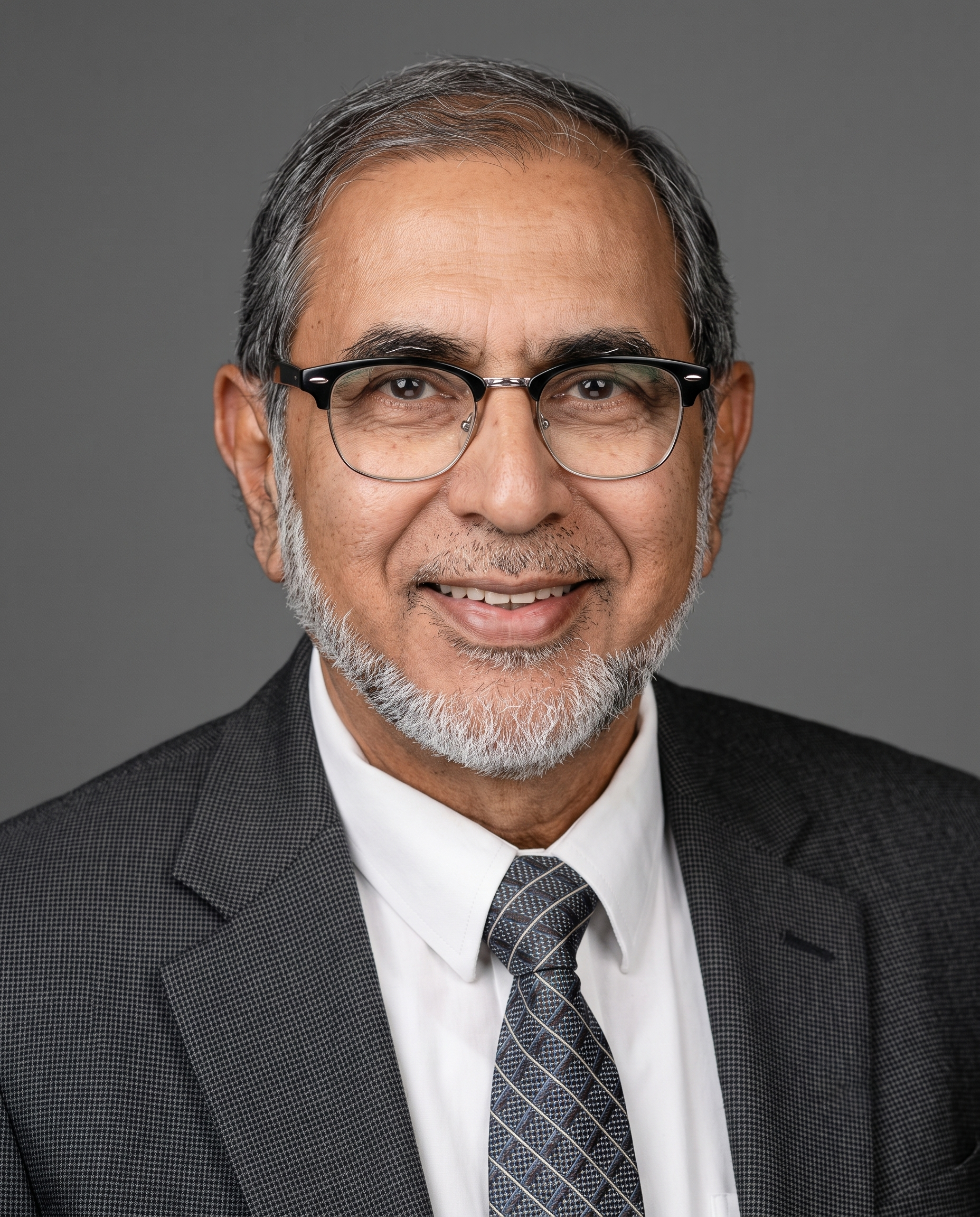
Dr. Ahmadullah Siddiqi
Educator • Mentor • Interfaith Leader
“A lifetime of knowledge, mentorship, and service continues to inspire generations to build healthier, stronger, and more compassionate communities.”
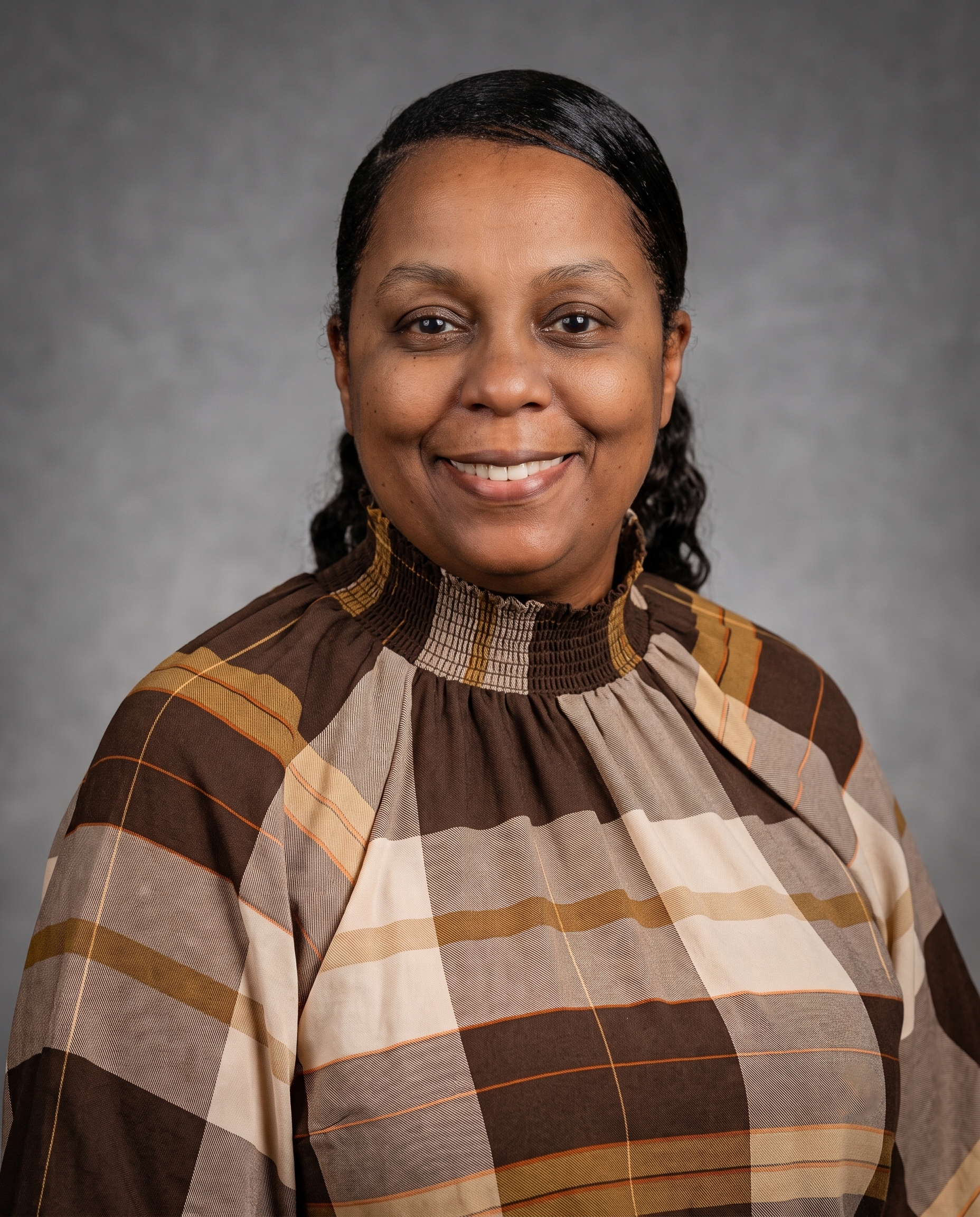
Rachelle Paul Brutus
Public Health Executive • Systems Leader • Health Equity Advocate
“It's not the answers we are looking for. It's the questions we are looking for.”
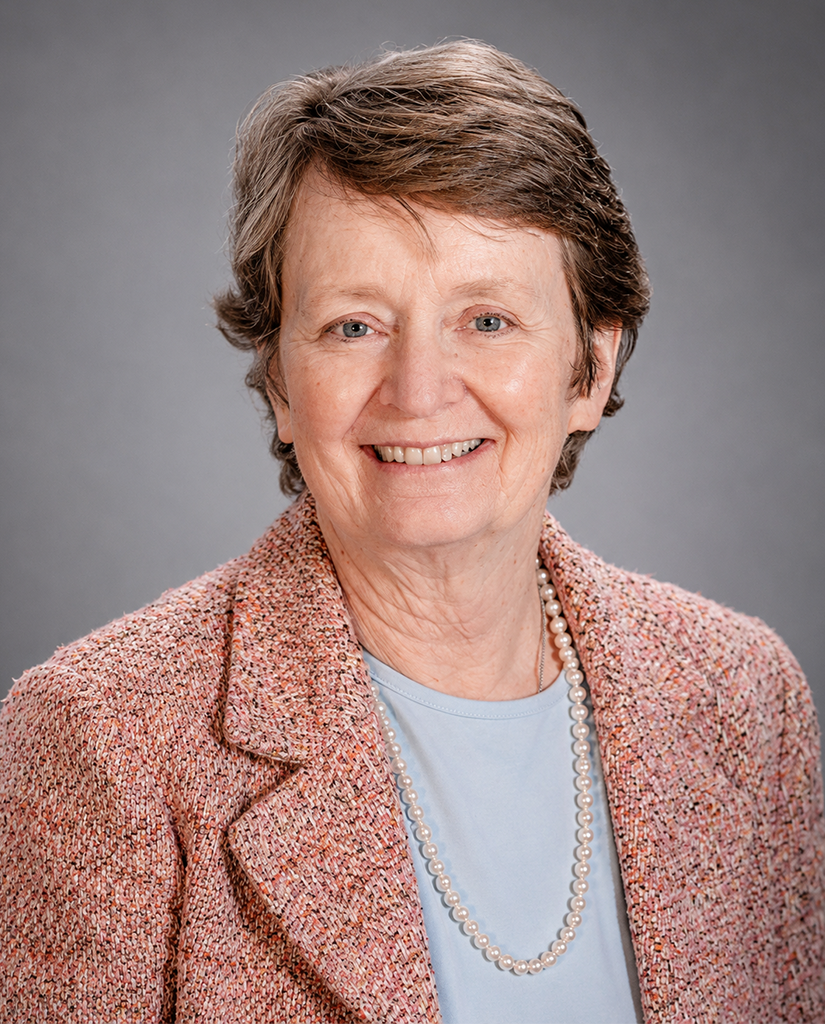
Robin Lavender
Access to Care Leader • Community Partner • Public Health Advocate
“Robin's wealth of knowledge has guided us through countless community conversations.”
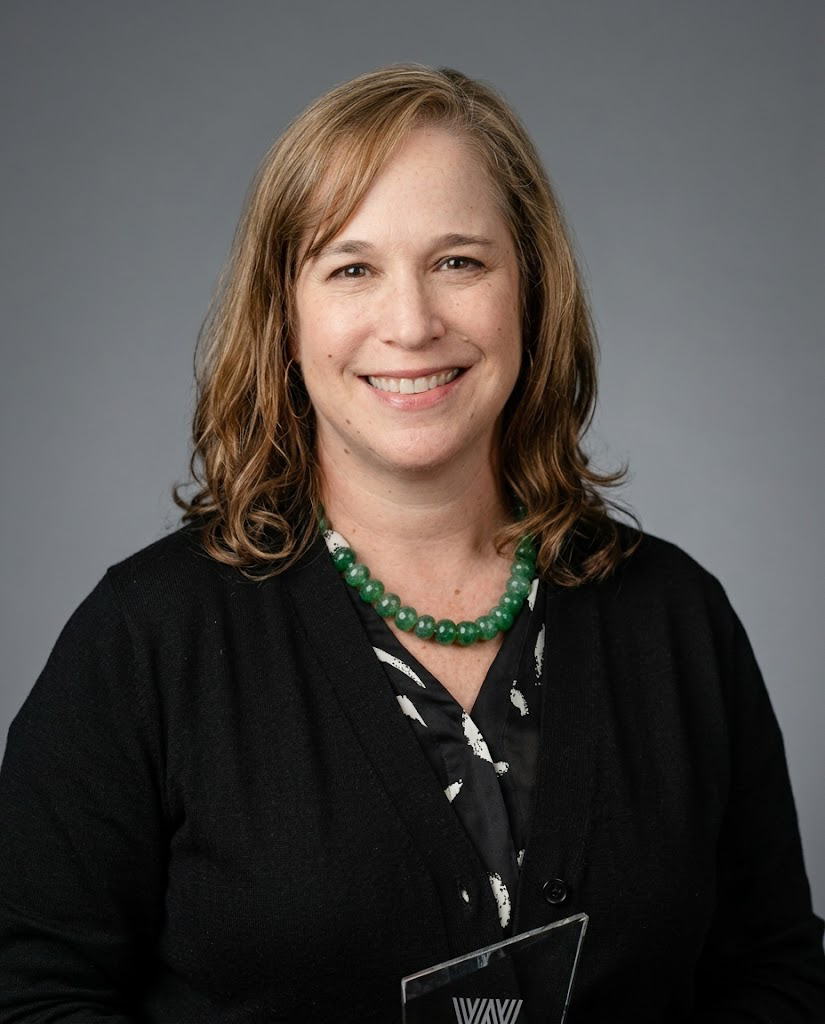
Stephanie Becker
Data Strategist • Health Policy Advocate • Systems Thinker
“Your data has guided us so much.”
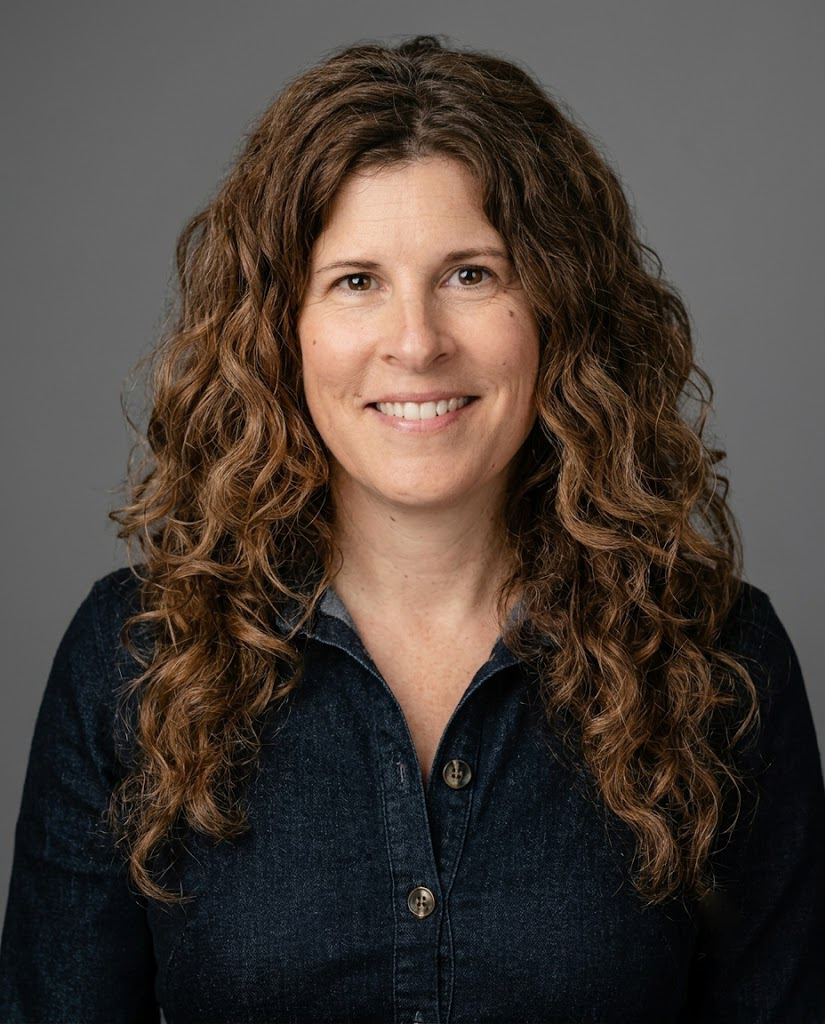
Andrea Kovach
Policy Advocate • Systems Leader • Social Justice Champion
“She has always gone where the work is needed most.”
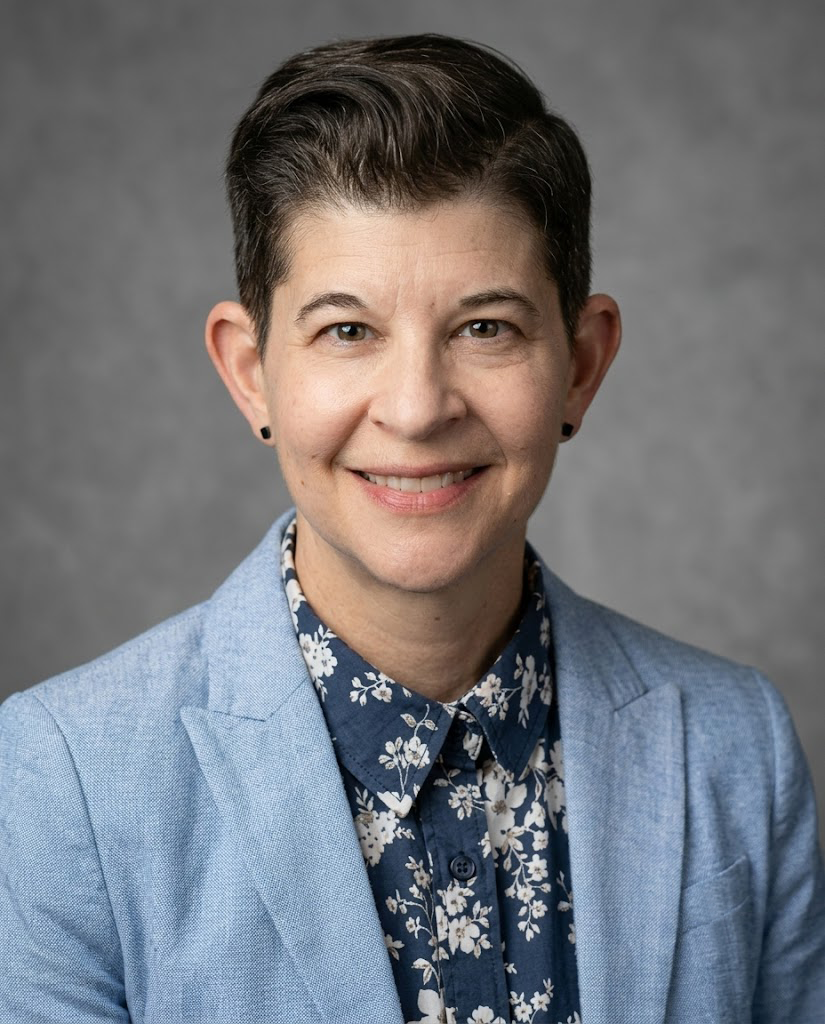
Jen Brown
Community Research Leader • Public Health Partner • Health Equity Advocate
“Communities create the strongest solutions when they are heard, respected, and engaged.”
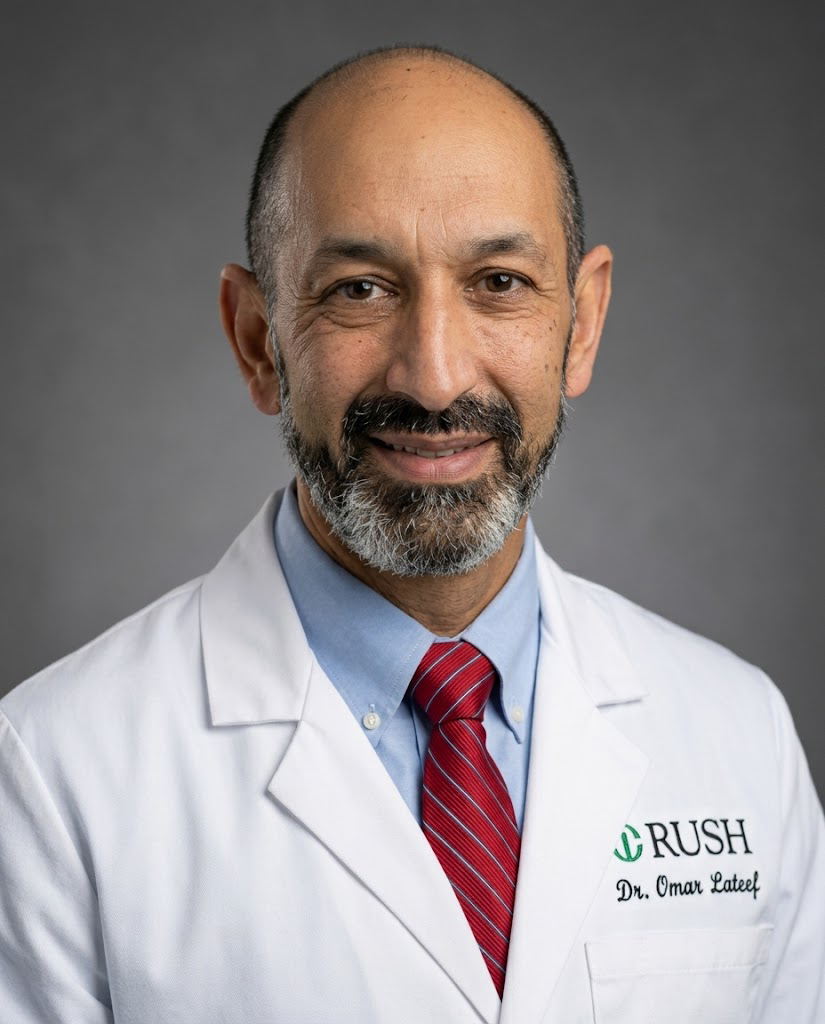
Dr. Omar B. Lateef
Healthcare Executive • Physician Leader • Health Equity Advocate
“Leadership creates its greatest impact when every community has access to compassionate care.”
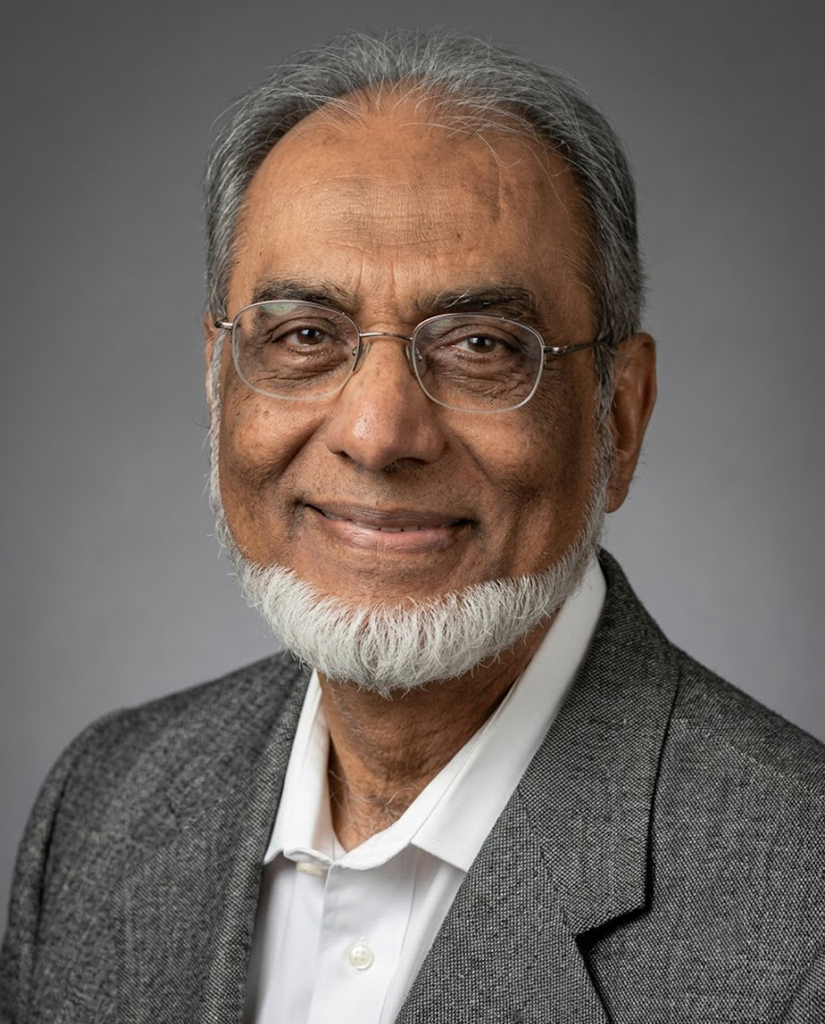
Dr. Yaqub Mirza
Visionary Leader • Philanthropist • Community Builder
“The strongest communities are built by those who invest in people long before the results are visible.”
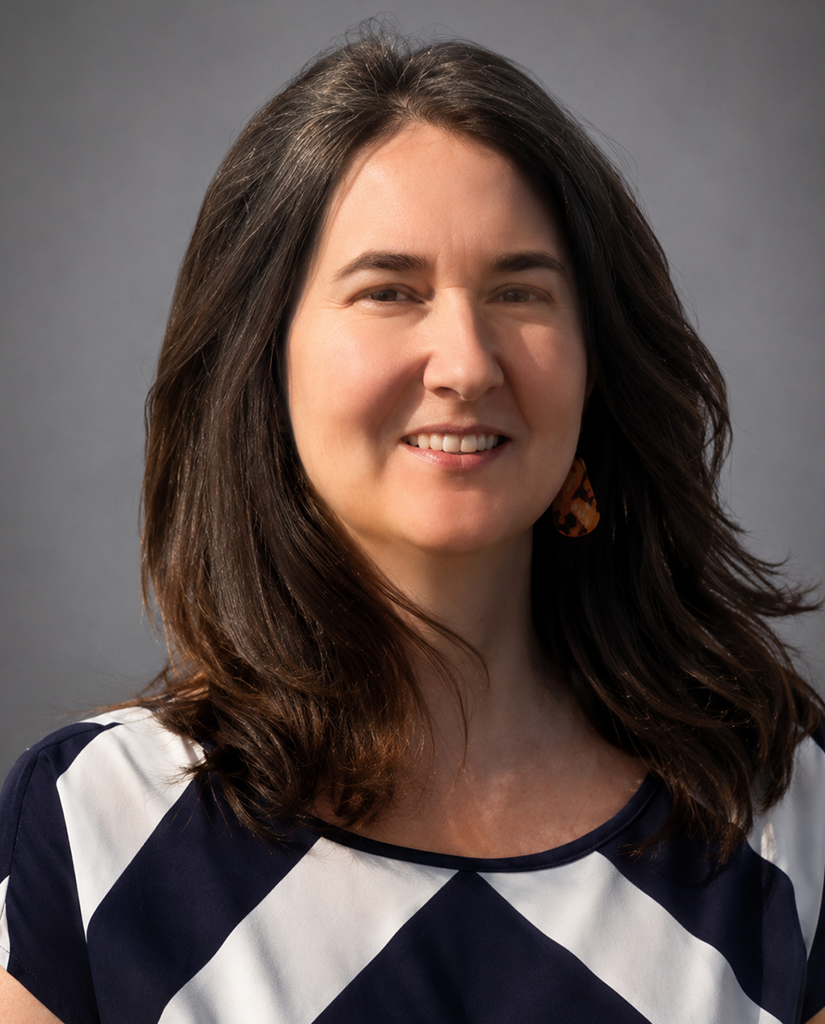
A.J. Barks
Women's Health Advocate • Community Leader • Health Equity Champion
“She still left a legacy at such a young age.”
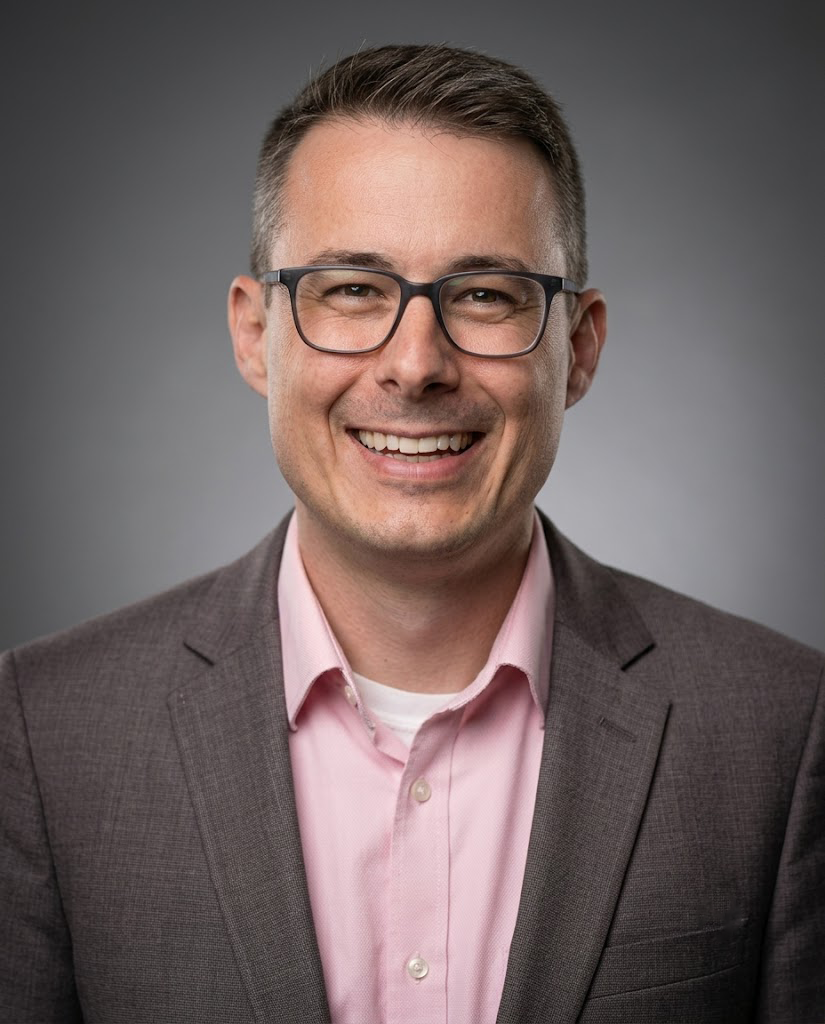
Matt Siemer
Healthcare Innovator • Community Leader • Mobile Care Pioneer
“They teach. They want that benefit to go on. That's how benefits multiply.”
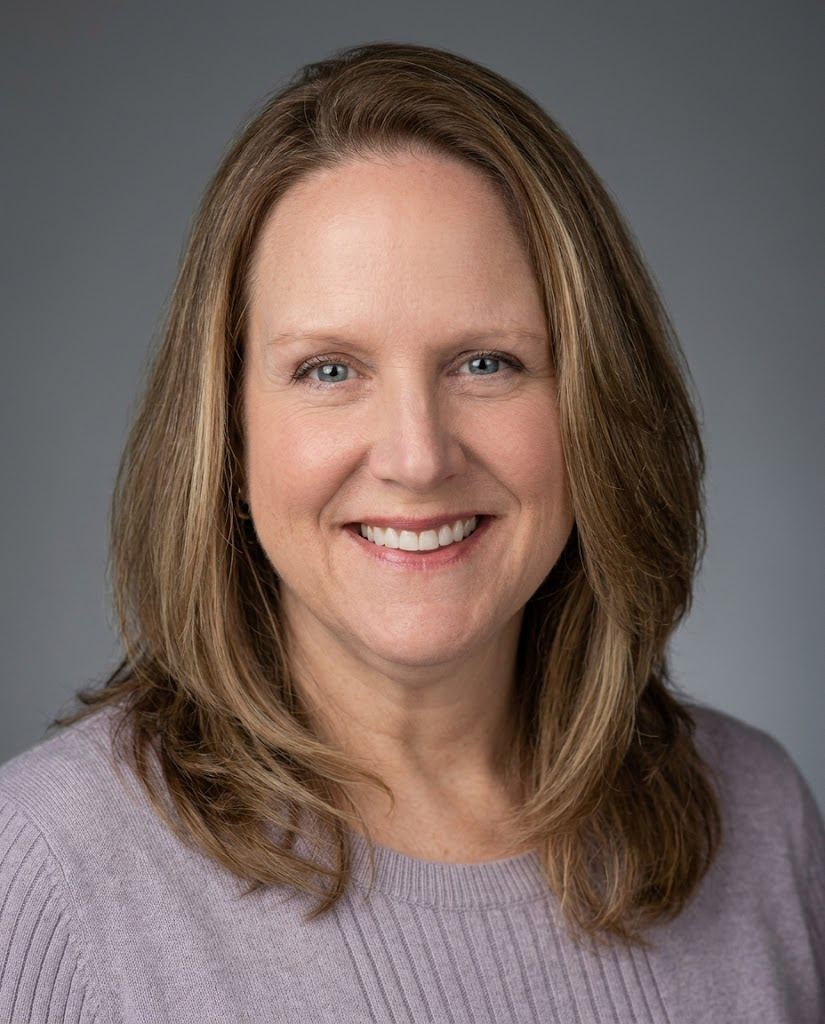
Kara Murphy
Community Leader • Collaborative Partner • Health Equity Advocate
“This Social Architect recognition would not be complete without Kara Murphy.”
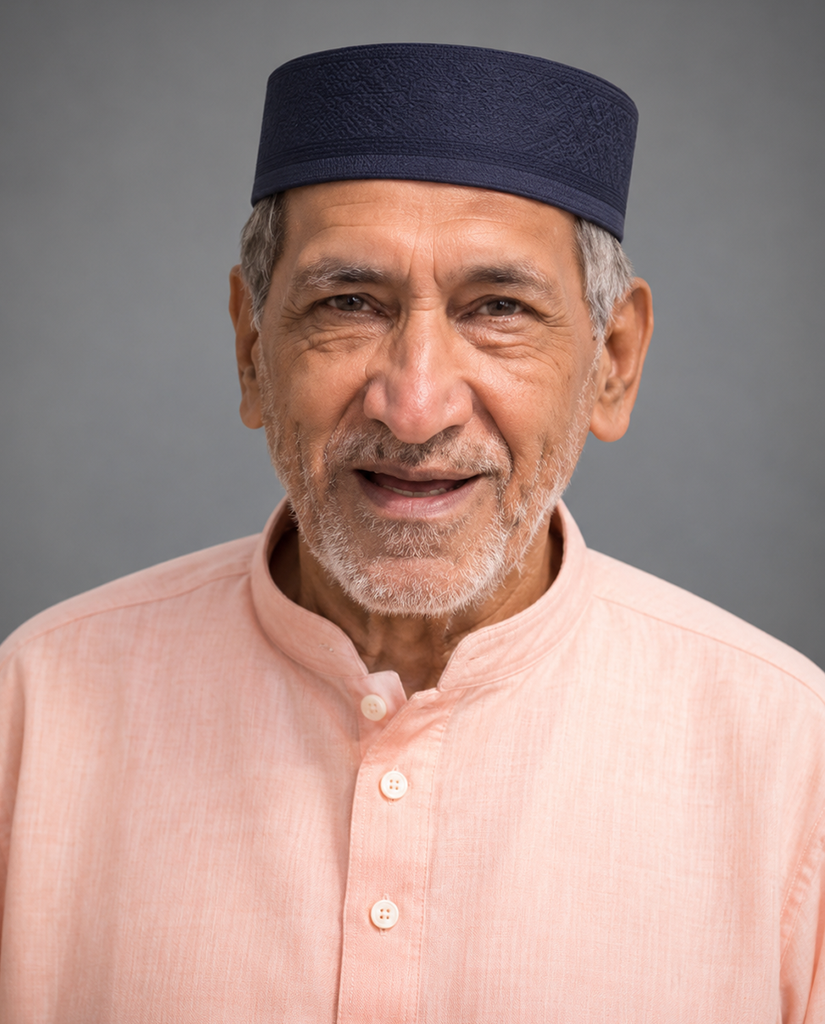
Syed Hameed Zafar
Community Health Educator • Access to Care Leader • Social Architect
“We learned it from him.”
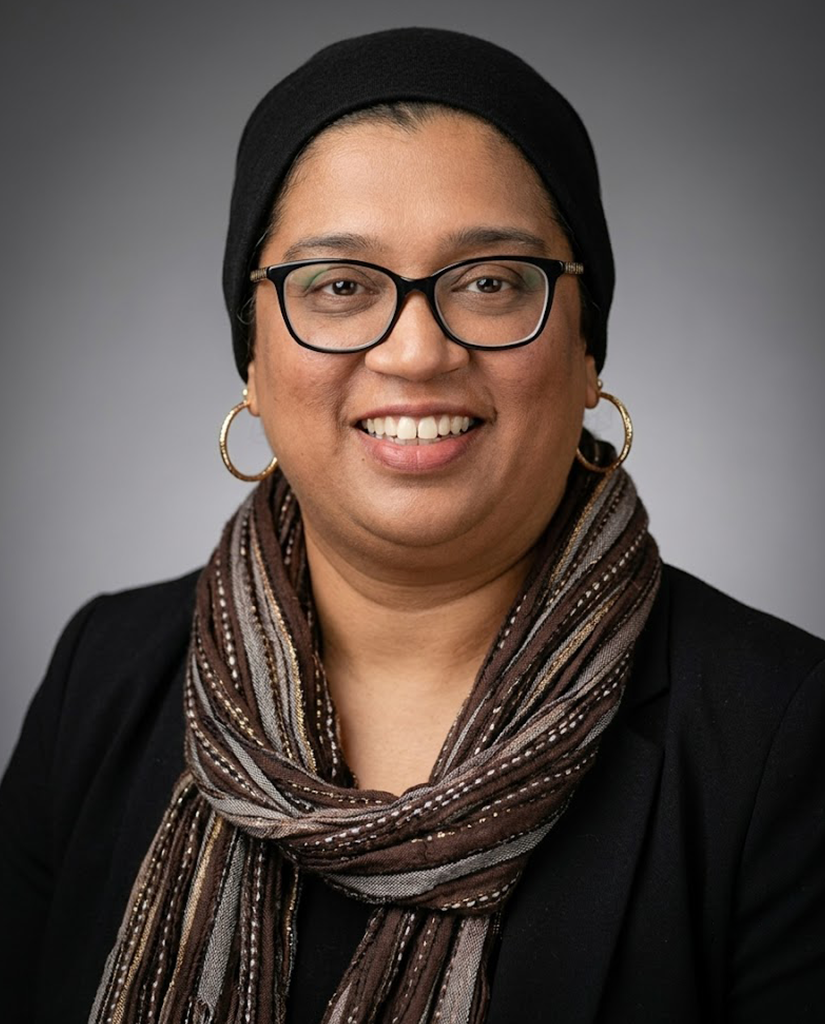
Aisha Zafar
Health Equity Leader • Community Partner • Next Generation Changemaker
“Every thread becomes part of the fabric.”
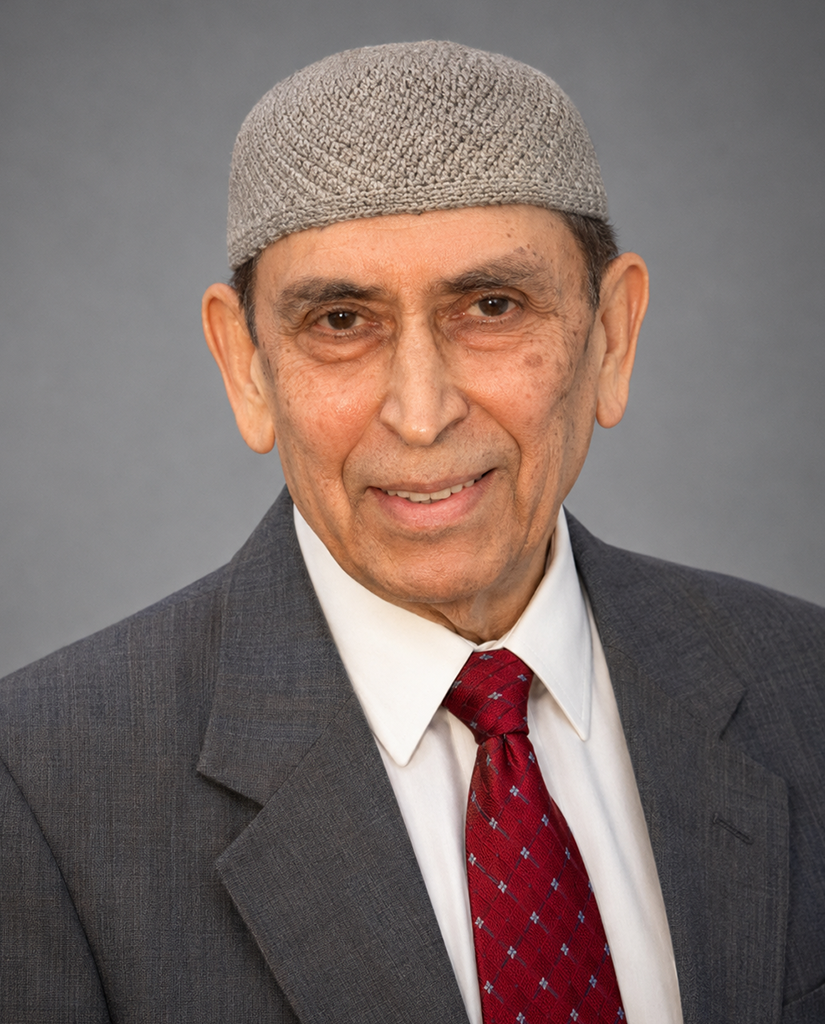
Dr. Azher Quader
Community Health Pioneer • Physician Leader • Health Equity Visionary
“He mobilized not just one community, but several communities—and generations after generations to do this Health Equity work.”
Educator • Mentor • Interfaith Leader
Professor Emeritus • Journalist • Social Architect
Worry Free Community recognizes Dr. Ahmadullah Siddiqi as a Social Architect for his lifelong dedication to education, ethical journalism, mentorship, and interfaith engagement. Through decades of scholarship and community leadership, he has empowered generations to lead with knowledge, compassion, and service. His work reflects the belief that lasting Health Equity begins by educating people, building trust, and strengthening communities through shared purpose.
Dr. Ahmadullah Siddiqi is an internationally respected educator, author, journalist, and interfaith leader. As Professor Emeritus at Western Illinois University, he devoted nearly three decades to advancing journalism, public relations, and higher education while mentoring future leaders. His influential book, Islam: A Contemporary Perspective , became an important source of guidance for community leaders, including Fatima Mirza, who described it as a blueprint that shaped her early approach to community service. His lifelong commitment to education, interfaith dialogue, and public service continues to inspire collaborative leadership and stronger communities.
- Empowered generations of leaders through education and mentorship.
- Advanced interfaith understanding as a foundation for healthier, more connected communities.
- Demonstrated how ethical leadership and knowledge can drive meaningful community transformation.
- Inspired a culture of service, collaboration, and lifelong learning that continues to influence future leaders.
“A lifetime of knowledge, mentorship, and service continues to inspire generations to build healthier, stronger, and more compassionate communities.”
During the Health Equity Summit, Dr. Siddiqi reflected on his decades-long relationship with Fatima Mirza and praised Worry Free Community for advancing health equity, social justice, and compassion. He recognized the dedication of the WFC team and emphasized the importance of continuing this work to strengthen communities for generations to come.
Public Health Executive • Systems Leader • Health Equity Advocate
CEO • Public Health Strategist • Social Architect
Worry Free Community recognizes Rachelle Paul Brutus as a Social Architect for transforming complex public health challenges into actionable community solutions. Through visionary leadership and strategic collaboration, she has strengthened systems that expand access to care and improve health outcomes for underserved communities. Her work reflects the belief that meaningful systems change begins by asking better questions, building trusted partnerships, and creating solutions that serve every community with dignity.
Rachelle Paul Brutus is a public health executive and strategic leader dedicated to improving health outcomes through innovation, collaboration, and systems change. As CEO of the Chicago Community Health Response Corps Consortium, she has led initiatives that expand access to public benefit programs, strengthen cross-sector partnerships, and develop data-driven solutions that improve healthcare delivery for underserved populations. Her leadership continues to influence public health strategy across communities and institutions.
- Advanced equitable access to healthcare through innovative public health leadership.
- Built collaborative partnerships that strengthened community health systems.
- Applied data and strategic planning to improve services for underserved populations.
- Inspired organizations to address Health Equity through sustainable systems-level change.
“It's not the answers we are looking for. It's the questions we are looking for.”
During the Health Equity Summit, Fatima Mirza highlighted Rachelle Paul Brutus's groundbreaking work examining differences in life expectancy across neighboring communities. She described this research as a catalyst for challenging assumptions and inspiring new conversations about Health Equity. By encouraging leaders to ask better questions, Rachelle continues to shape more equitable public health systems and stronger communities.
Access to Care Leader • Community Partner • Public Health Advocate
Access to Care Leader • Community Health Partner • Social Architect
Worry Free Community recognizes Robin Lavender as a Social Architect for her unwavering commitment to expanding access to care through trusted community partnerships. Her leadership, practical expertise, and collaborative spirit have helped bridge healthcare systems with the communities they serve. Her work reflects the belief that Health Equity grows stronger when organizations learn from one another and work together with trust, consistency, and shared purpose.
Robin Lavender is a respected public health leader whose work has focused on improving access to care through community-centered partnerships and collaborative healthcare initiatives. Throughout her partnership with Worry Free Community, she has shared her expertise with community health teams, helping strengthen outreach efforts and improve connections between healthcare providers and the communities they serve. Her leadership continues to demonstrate the value of collaboration in creating healthier communities.
- Strengthened access to care through trusted community partnerships.
- Shared expertise that empowered community health teams and local organizations.
- Fostered long-term collaboration across healthcare and community networks.
- Demonstrated that lasting Health Equity is built through relationships, trust, and shared learning.
“Robin's wealth of knowledge has guided us through countless community conversations.”
While presenting the Social Architect Award, Fatima Mirza reflected on years of working alongside Robin Lavender through Access to Care initiatives and community partnerships. She recognized Robin's depth of knowledge, her continued guidance to WFC's community health teams, and the lasting impact of her collaborative leadership. Robin's partnership exemplifies how trusted relationships can strengthen community health and advance Health Equity.
Data Strategist • Health Policy Advocate • Systems Thinker
Health Policy Leader • Data Strategist • Social Architect
Worry Free Community recognizes Stephanie Becker as a Social Architect for transforming data into meaningful action. Through her expertise in analytics, policy, and systems thinking, she helped community leaders understand complex challenges, identify opportunities for change, and make evidence-based decisions that improved access to care. Her work reflects the belief that Health Equity advances when reliable data is translated into practical solutions that improve people's lives.
Stephanie Becker is a respected health policy and data strategist whose work has helped organizations use research, analytics, and public policy to improve community health outcomes. Throughout her collaboration with Worry Free Community, her detailed data analysis and strategic insight informed key decisions, strengthened planning efforts, and supported initiatives that expanded access to care. Her leadership continues to demonstrate how evidence-based decision-making can accelerate meaningful systems change.
- Demonstrated how data can become a practical tool for community transformation.
- Strengthened evidence-based decision-making across health initiatives.
- Connected analytics with policy to improve access to care.
- Inspired leaders to use information as a catalyst for long-term systems change.
“Your data has guided us so much.”
While presenting Stephanie Becker's Social Architect Award, Fatima Mirza reflected on working alongside her since 2014–2015 and recalled how Stephanie's detailed analytics consistently guided WFC's strategic decisions. She credited that data-driven leadership with influencing not only WFC's work but broader statewide progress in expanding access to care, describing it as an example of how Social Architects create lasting systems change.
Policy Advocate • Systems Leader • Social Justice Champion
Health Policy Advocate • Social Justice Leader • Social Architect
Worry Free Community recognizes Andrea Kovach as a Social Architect for advancing Health Equity through policy advocacy, systems leadership, and social justice. Throughout her career, she has strengthened organizations that address the root causes of inequity, helping transform legislative progress into meaningful community impact. Her work reflects the belief that lasting change happens when advocacy, collaboration, and public policy work together to improve people's lives.
Andrea Kovach is a respected health policy and social justice leader whose career has focused on expanding equitable access through advocacy, public policy, and nonprofit leadership. Over the years, she has contributed to organizations dedicated to poverty law, social justice, and health policy, continually aligning her work with the communities that need it most. Her leadership demonstrates a commitment to strengthening systems that create lasting opportunities for healthier and more equitable communities.
- Advanced policies that promote equitable access to care and opportunity.
- Strengthened nonprofit leadership focused on long-term systems change.
- Demonstrated how advocacy can transform legislative progress into community impact.
- Inspired collaborative approaches that place equity at the center of public policy.
“She has always gone where the work is needed most.”
While recognizing Andrea Kovach as a Social Architect, Fatima Mirza reflected on more than a decade of admiring her leadership and watching her guide organizations through meaningful transformation. She highlighted Andrea's transition from poverty law to broader health and social justice advocacy, describing her work as an example of leadership that evolves to meet changing community needs. She also recognized her commitment to building stronger advocacy systems in response to legislative change and her vision for collaboration across nonprofit organizations.
Community Research Leader • Public Health Partner • Health Equity Advocate
Community Health Research Leader • Public Health Advocate • Social Architect
Worry Free Community recognizes Jen Brown as a Social Architect for advancing Health Equity through community-centered research and meaningful collaboration. Her work has strengthened the connection between data, lived experience, and public health decision-making, ensuring that community voices remain at the center of sustainable solutions. She reflects the belief that lasting change begins by listening to communities and building solutions alongside them.
Jen Brown is a respected public health professional whose work focuses on community engagement, collaborative research, and improving health outcomes through partnership. Throughout her work with Worry Free Community and community stakeholders, she has helped strengthen research initiatives that prioritize equity, trust, and shared decision-making. Her leadership demonstrates how research becomes most impactful when it is grounded in the experiences and needs of the people it serves.
- Advanced community-centered approaches to public health research.
- Strengthened partnerships between organizations and the communities they serve.
- Promoted evidence-informed decision-making grounded in lived experience.
- Inspired collaborative models that place equity, trust, and community voices at the center of change.
“Communities create the strongest solutions when they are heard, respected, and engaged.”
During the Health Equity Summit, Jen Brown was recognized for her commitment to collaborative research and community engagement. Her work reflects Worry Free Community's belief that sustainable Health Equity is achieved by listening first, building trust, and developing solutions together with the communities they are intended to serve.
Healthcare Executive • Physician Leader • Health Equity Advocate
President & CEO • Physician Executive • Social Architect
Worry Free Community recognizes Dr. Omar B. Lateef as a Social Architect for advancing Health Equity through visionary healthcare leadership and compassionate service. His commitment to strengthening healthcare systems has expanded access to quality care while fostering trust between medical institutions and the communities they serve. His work reflects the belief that healthcare organizations achieve their greatest impact when they place people, dignity, and equity at the center of every decision.
Dr. Omar B. Lateef is a nationally respected physician executive and healthcare leader dedicated to improving patient care through innovation, collaboration, and equitable healthcare delivery. As President and CEO of Cook County Health, he has led transformational initiatives that strengthen healthcare systems, improve access to care, and advance patient-centered services for diverse communities. His leadership demonstrates how compassionate institutional leadership can create lasting improvements in community health.
- Expanded equitable access to quality healthcare.
- Strengthened healthcare systems through visionary leadership.
- Advanced patient-centered models of compassionate care.
- Inspired healthcare organizations to lead with equity, dignity, and accountability.
“Leadership creates its greatest impact when every community has access to compassionate care.”
During the Health Equity Summit, Dr. Omar B. Lateef was recognized for his leadership in transforming healthcare delivery through innovation, collaboration, and a steadfast commitment to equitable access. His work reflects Worry Free Community's vision that strong institutions, guided by compassion and community partnership, are essential to building healthier futures for all.
Visionary Leader • Philanthropist • Community Builder
Visionary Leader • Philanthropist • Social Architect
Worry Free Community recognizes Dr. Yaqub Mirza as a Social Architect for his lifelong commitment to building institutions that strengthen communities and expand opportunities for future generations. Through visionary leadership, strategic philanthropy, and an unwavering dedication to service, he has helped create lasting foundations that empower individuals, families, and communities. His work reflects the belief that Health Equity is sustained when communities invest in people, knowledge, and institutions that endure.
Dr. Yaqub Mirza is an internationally respected entrepreneur, philanthropist, and institution builder whose work has focused on creating sustainable organizations that serve communities through education, innovation, and public service. Throughout his career, he has championed initiatives that strengthen nonprofit leadership, encourage strategic collaboration, and invest in long-term community development. His leadership demonstrates that lasting impact is achieved by building institutions that continue to serve well beyond a single generation.
- Built institutions that create lasting community impact.
- Advanced philanthropy as a catalyst for sustainable change.
- Invested in leadership, education, and long-term community development.
- Inspired future generations through visionary service and institution building.
“The strongest communities are built by those who invest in people long before the results are visible.”
During the Health Equity Summit, Dr. Yaqub Mirza was recognized for his visionary leadership and lifelong commitment to strengthening communities through institution building and strategic philanthropy. His work reflects Worry Free Community's belief that sustainable Health Equity depends not only on addressing today's challenges but also on creating the organizations, leaders, and opportunities that will serve generations to come.
Women's Health Advocate • Community Leader • Health Equity Champion
Women's Health Advocate • Community Leader • Social Architect
Worry Free Community recognizes A.J. Barks as a Social Architect for her unwavering commitment to advancing women's health, expanding equitable access to care, and serving communities with compassion. Through her leadership and advocacy, she helped strengthen community-based healthcare services and inspired others to lead with empathy, dignity, and purpose. Her legacy reflects the belief that Health Equity is achieved by caring deeply for people and ensuring that every community has the opportunity to thrive.
A.J. Barks was a passionate advocate for women's health and reproductive rights whose leadership helped expand inclusive, community-based healthcare services. She was widely respected for her compassion, her commitment to equity, and her dedication to improving the lives of underserved communities. Although her life ended far too soon, the impact of her work continues to inspire those committed to advancing Health Equity through service and advocacy.
- Championed women's health and reproductive rights.
- Expanded inclusive, community-based healthcare services.
- Led with compassion, equity, and service to others.
- Left a lasting legacy that continues to inspire community health leaders.
“She still left a legacy at such a young age.”
During the Health Equity Summit, Fatima Mirza honored A.J. Barks not only for her leadership but also for the enduring legacy she left behind. She reflected on A.J.'s consistent presence at community health initiatives, her passion for serving others, and her commitment to advancing women's health and reproductive rights. Although her life was cut short, her influence continues to remind communities that compassion, service, and equity create a legacy that lives far beyond a lifetime.
Healthcare Innovator • Community Leader • Mobile Care Pioneer
Healthcare Innovator • Mobile Care Leader • Social Architect
Worry Free Community recognizes Matt Siemer as a Social Architect for transforming healthcare delivery through innovation, education, and compassionate community service. His pioneering work in mobile healthcare expanded access for underserved communities while demonstrating that healthcare should reach people wherever they are. Beyond delivering care, he empowered others by sharing knowledge and practical models that could be replicated to serve even more communities. His legacy reflects the belief that Health Equity grows when knowledge is shared, service is multiplied, and care becomes accessible to everyone.
Matt Siemer was a respected nonprofit leader and healthcare innovator whose work focused on expanding access to preventive and community-based healthcare. Through his leadership in mobile healthcare delivery, he helped bring essential services directly to underserved communities while mentoring others to adopt and strengthen these models. Remembered for his generosity, innovation, and willingness to teach, his legacy continues to influence organizations working to make healthcare more accessible and equitable.
- Advanced innovative mobile healthcare delivery for underserved communities.
- Expanded access to preventive and community-based care.
- Shared practical healthcare models that empowered others to serve.
- Left a lasting legacy of innovation, education, and compassionate leadership.
“They teach. They want that benefit to go on. That's how benefits multiply.”
During the Health Equity Summit, Fatima Mirza honored Matt Siemer's enduring contribution to community health and mobile care innovation. She reflected on his consistent presence at community health events, his dedication to teaching others, and his commitment to expanding access to preventive care for underserved populations. Although he is no longer with us, his legacy continues through the people, organizations, and communities inspired by his example.
Community Leader • Collaborative Partner • Health Equity Advocate
Community Leader • Collaborative Partner • Social Architect
Worry Free Community recognizes Kara Murphy as a Social Architect for her dedication to strengthening communities through collaboration, trusted partnerships, and service. Her work reflects the belief that meaningful progress in Health Equity is built through people who consistently support others, strengthen relationships, and help communities move forward together.
Kara Murphy is recognized for her commitment to community collaboration and her ongoing support of initiatives that advance Health Equity. Through partnership, service, and relationship-building, she has contributed to strengthening connections between organizations and the communities they serve, helping create a foundation for lasting community impact.
- Strengthened community partnerships through collaboration.
- Advanced Health Equity through service and trusted relationships.
- Supported initiatives that improved community well-being.
- Demonstrated the value of collaborative leadership.
“This Social Architect recognition would not be complete without Kara Murphy.”
During the Health Equity Summit, Fatima Mirza emphasized that recognizing the Social Architects would not be complete without Kara Murphy. Her acknowledgment reflected Kara's valued role as a trusted partner whose contributions have helped strengthen Worry Free Community's mission and its commitment to advancing Health Equity.
Community Health Educator • Access to Care Leader • Social Architect
Community Health Educator • Access to Care Specialist • Social Architect
Worry Free Community recognizes Syed Hameed Zafar as a Social Architect for empowering communities through education, guidance, and equitable access to healthcare. By teaching organizations and community leaders how to navigate Medicaid eligibility and access-to-care systems, he helped transform knowledge into opportunity for countless individuals and families. His work reflects the belief that Health Equity begins when people are equipped with the knowledge and confidence to access the care they deserve.
Syed Hameed Zafar served as a case manager with the Illinois Department of Human Services (DHS), where he became a trusted educator and resource for communities navigating healthcare access. During the early years of Worry Free Community's outreach efforts, he generously shared his expertise by teaching Medicaid eligibility, enrollment processes, and access-to-care pathways to community organizations and frontline leaders. His commitment to education and service helped strengthen community capacity and improve access for those who needed it most.
- Empowered communities through education on Medicaid and healthcare access.
- Strengthened community organizations by sharing practical knowledge and guidance.
- Improved access to care through mentorship and capacity building.
- Demonstrated that teaching others creates lasting community impact.
“We learned it from him.”
During the Health Equity Summit, Fatima Mirza reflected on Syed Hameed Zafar's invaluable role in helping Worry Free Community navigate access-to-care challenges during its early years. She recalled how he personally taught community leaders the fundamentals of Medicaid eligibility and enrollment, equipping them with knowledge that continues to benefit countless families. Although he was unable to attend the Summit due to health challenges, his heartfelt well-wishes and enduring impact remained deeply present throughout the celebration.
Health Equity Leader • Community Partner • Next Generation Changemaker
Health Equity Leader • Community Health Advocate • Social Architect
Worry Free Community recognizes Aisha Zafar as a Social Architect for carrying forward the values, knowledge, and mission of Health Equity through service, partnership, and community leadership. Over a decade of dedicated service with WFC helped shape her commitment to reducing health disparities, improving health literacy, and strengthening community health. Her journey reflects the belief that lasting impact is achieved when one generation invests in the next, ensuring that knowledge, purpose, and compassion continue to grow.
Aisha Zafar dedicated ten years of service to Worry Free Community, where she developed a deep foundation in health literacy, Health Equity, and community engagement. Now serving with the DuPage Health Coalition, she continues to build upon those experiences while expanding partnerships that improve community health. Although her professional journey has taken her to a new organization, she remains an enduring part of the WFC family, carrying its mission and values into every community she serves.
- Dedicated a decade of service to advancing Health Equity through WFC.
- Strengthened health literacy and community engagement initiatives.
- Carried WFC's mission into new communities through continued leadership.
- Demonstrated how mentorship and lifelong learning create lasting community impact.
“Every thread becomes part of the fabric.”
During the Health Equity Summit, Fatima Mirza recognized Aisha Zafar's decade of service and described her as a permanent part of the WFC family, regardless of where her career continues. In her acceptance remarks, Aisha reflected on how the Social Architects before her became her teachers, shaping her understanding of health literacy, Health Equity, and reducing health disparities. She expressed gratitude for the knowledge they shared and her commitment to carrying those lessons forward through partnership and service.
Community Health Pioneer • Physician Leader • Health Equity Visionary
Founder, Compassionate Care Network • Physician Leader • Social Architect
Worry Free Community recognizes Dr. Azher Quader as a Social Architect for pioneering community-based healthcare that brings compassion, clinical excellence, and collaboration together to serve vulnerable populations. Through visionary leadership, he transformed individual acts of service into a movement that mobilized healthcare providers, community organizations, and future generations to advance Health Equity. His work reflects the belief that sustainable change is achieved when communities, healthcare systems, and leaders work together with a shared purpose.
Dr. Azher Quader is the Founder and President of Compassionate Care Network and a respected physician dedicated to improving access to healthcare for vulnerable communities. Recognizing unmet community health needs early in his career, he mobilized healthcare professionals, faith-based organizations, and community partners to expand access to compassionate, patient-centered care. His leadership has inspired generations of healthcare professionals and community leaders to build collaborative models that continue advancing Health Equity.
- Pioneered community-based healthcare for underserved populations.
- Mobilized healthcare providers and community organizations around a shared mission.
- Championed patient-centered, collaborative models of care.
- Inspired generations of leaders committed to advancing Health Equity through service and partnership.
“He mobilized not just one community, but several communities—and generations after generations to do this Health Equity work.”
During the Health Equity Summit, Fatima Mirza described Dr. Azher Quader as one of the leaders who profoundly shaped her understanding of health disparities and health education. She reflected on how his vision helped establish some of WFC's earliest community health initiatives and inspired collaborative care models that continue today. In his acceptance remarks, Dr. Quader shifted the focus from personal recognition to collective responsibility, emphasizing generational continuity, stronger partnerships, patient-centered healthcare, and the urgent need to bridge fragmented systems so that every community can access equitable care.
Voices from the Frontlines
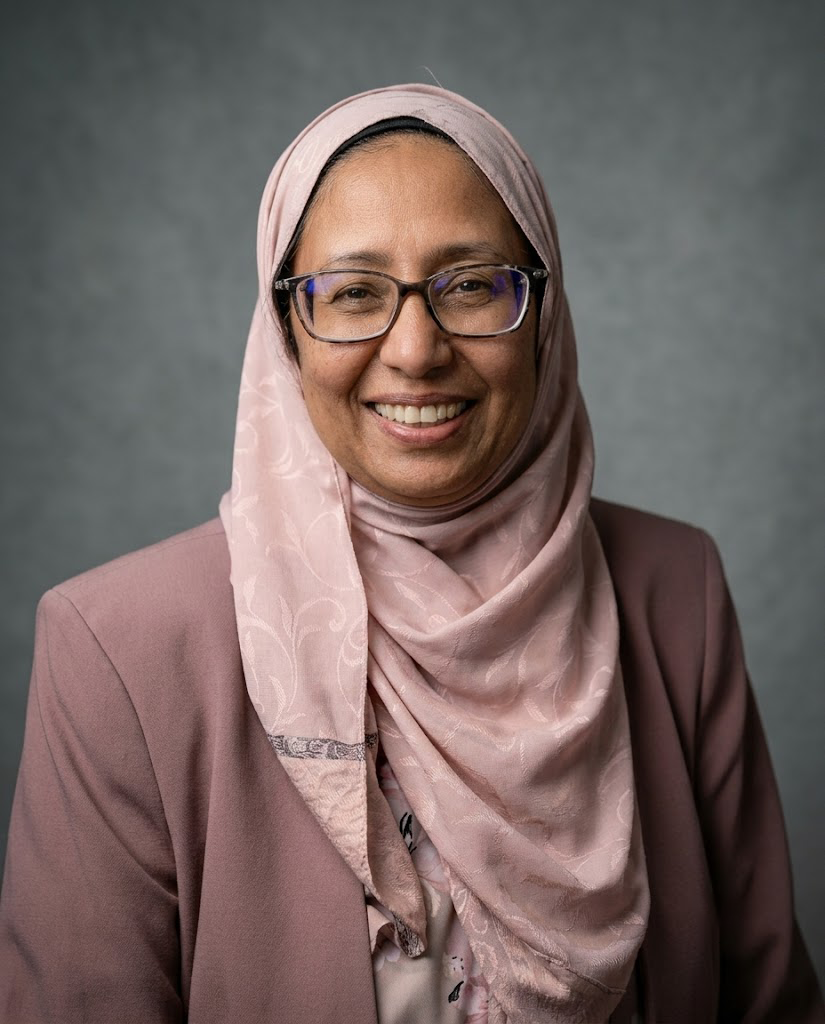
“Solutions for Health Equity must be designed around what people need—not simply what is equal.”
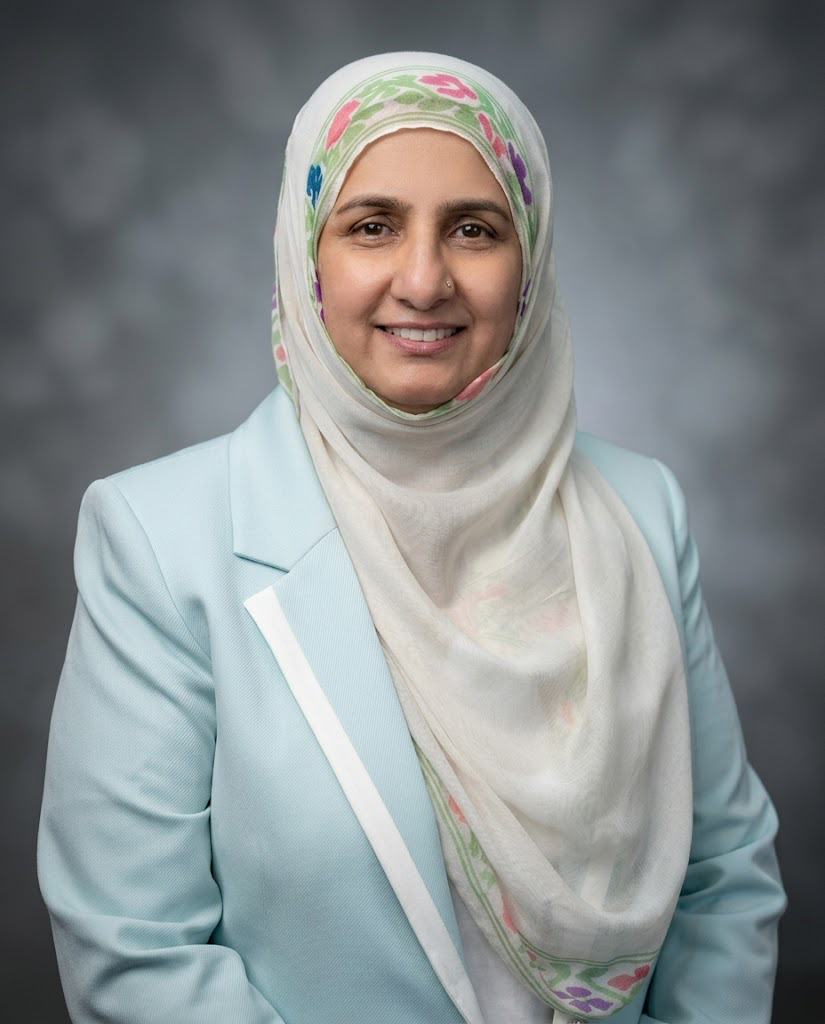
“The barrier was health literacy.”
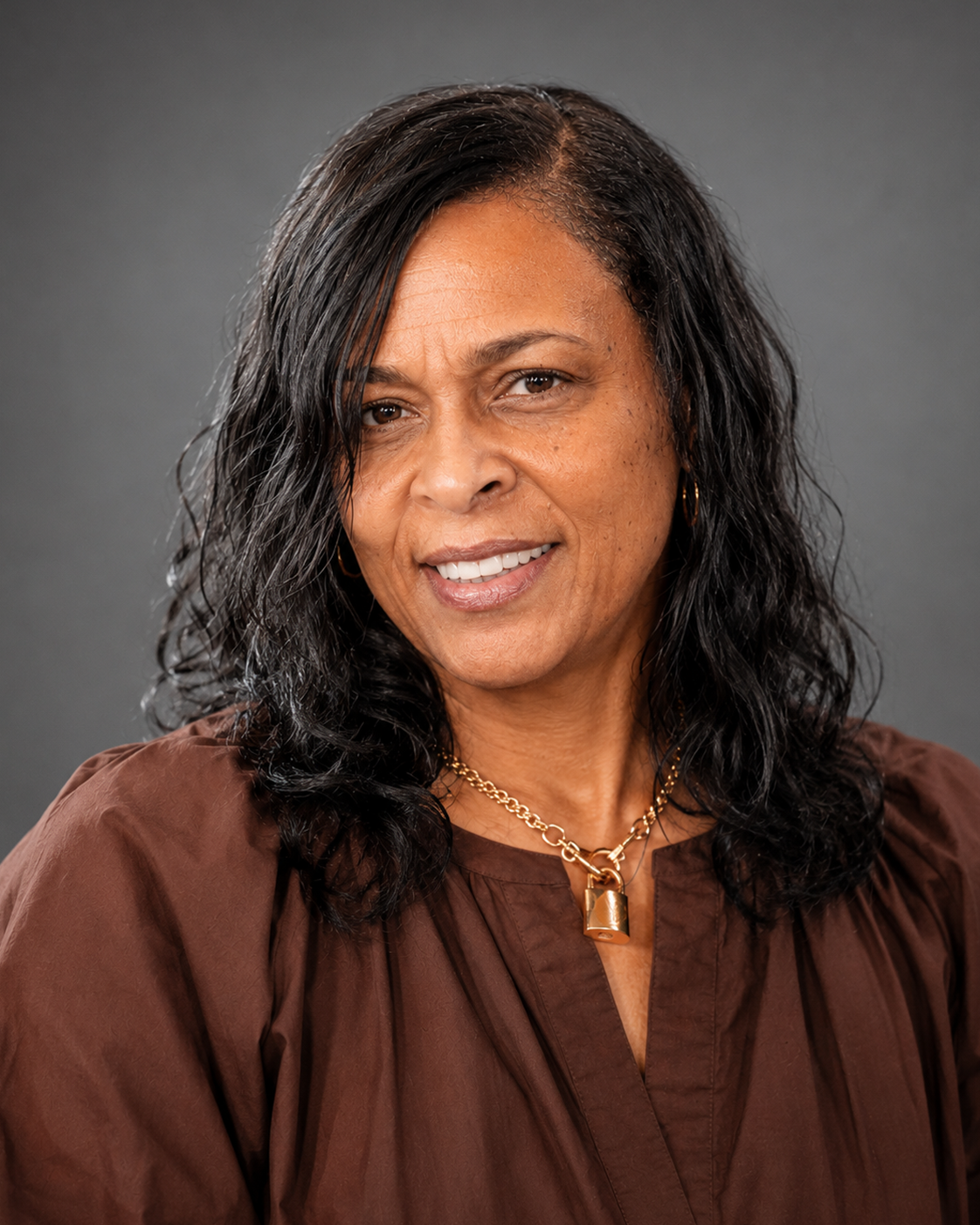
“We have to keep that pressure on to make sure our Community Health Workers are taken care of in this fight for equity.”
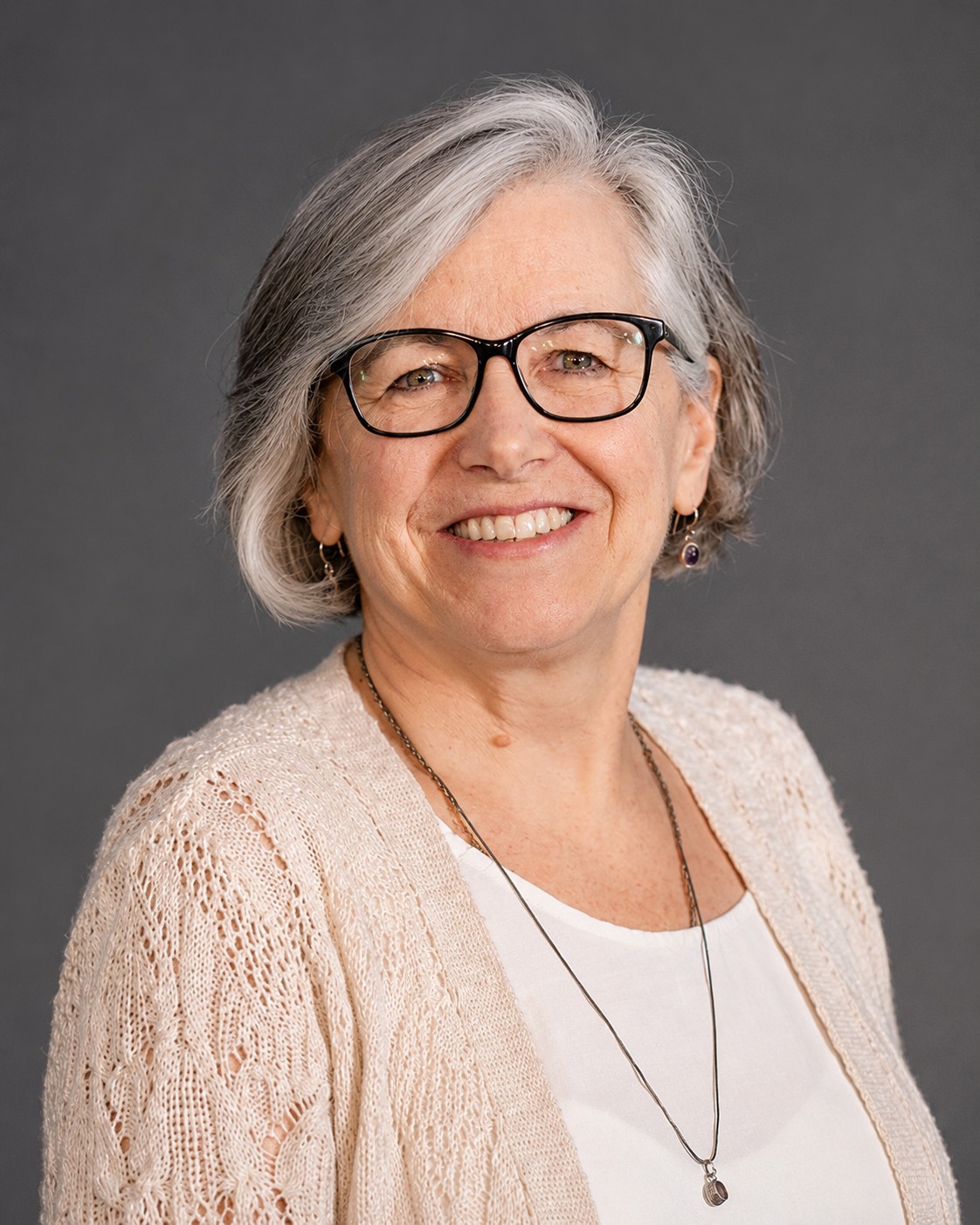
“It was not one person. It was a community.”
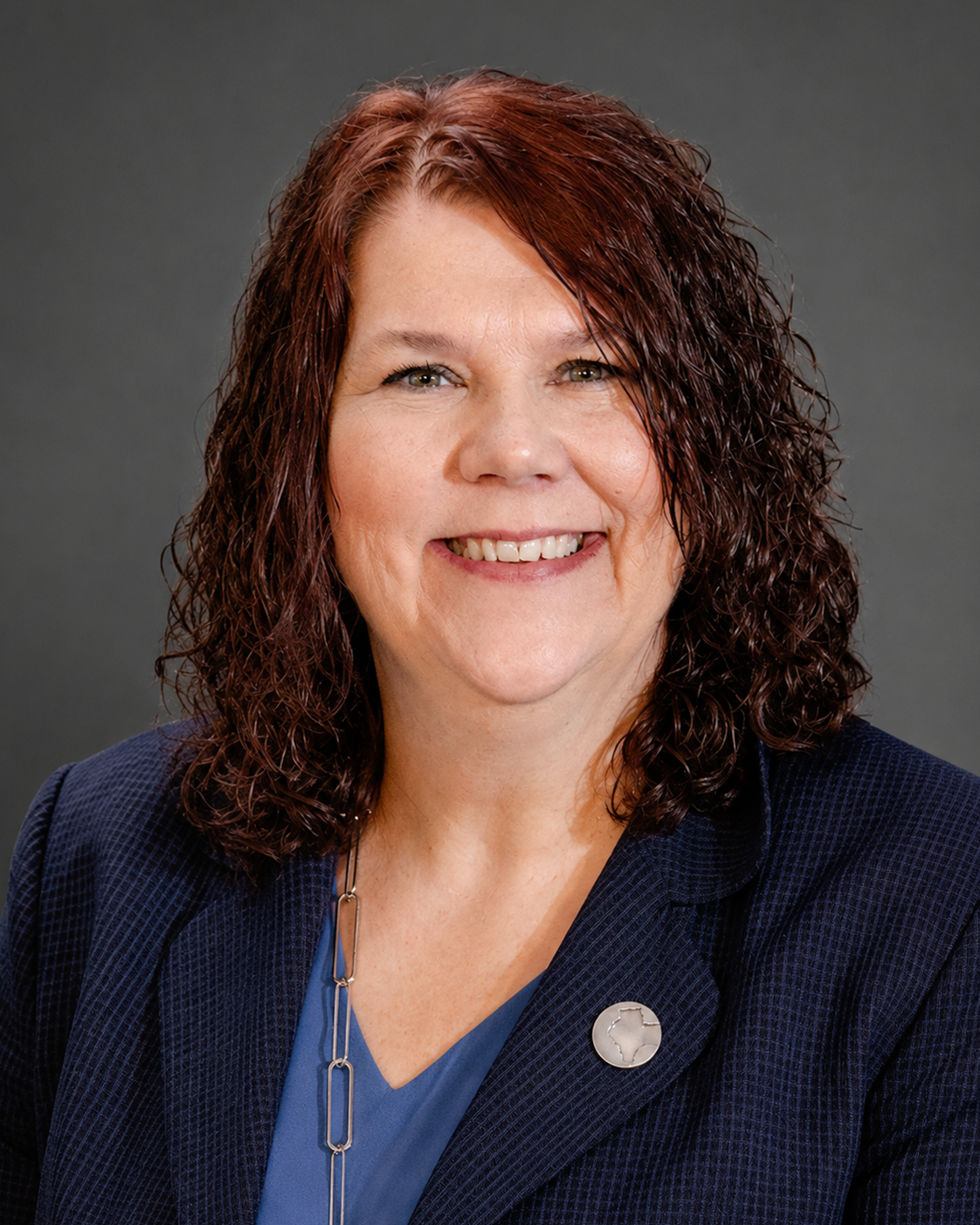
“The award is just a little piece of the lives you have touched along the way.”
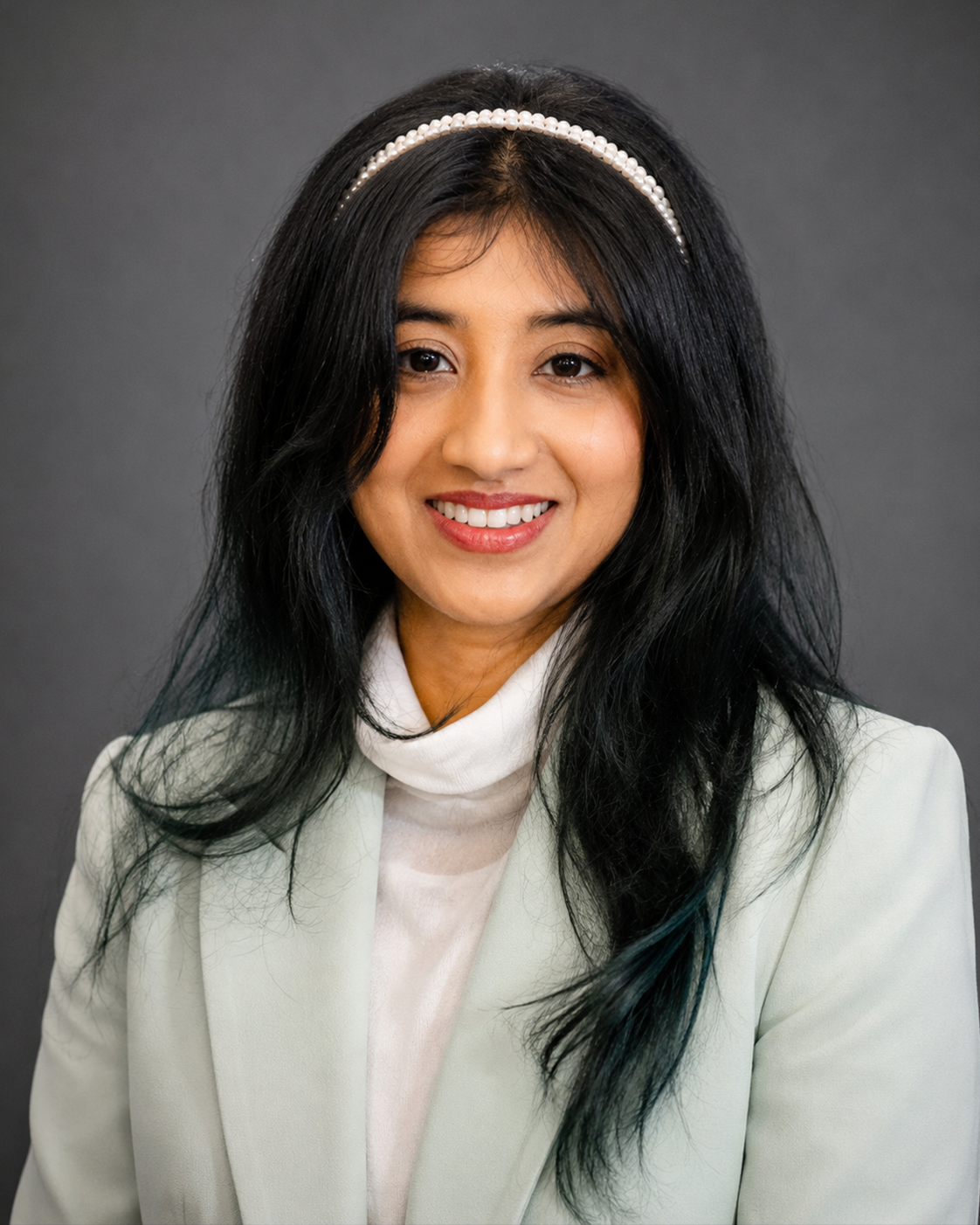
“Lessons learned from the COVID period—what worked and what didn't work during the lockdown.”
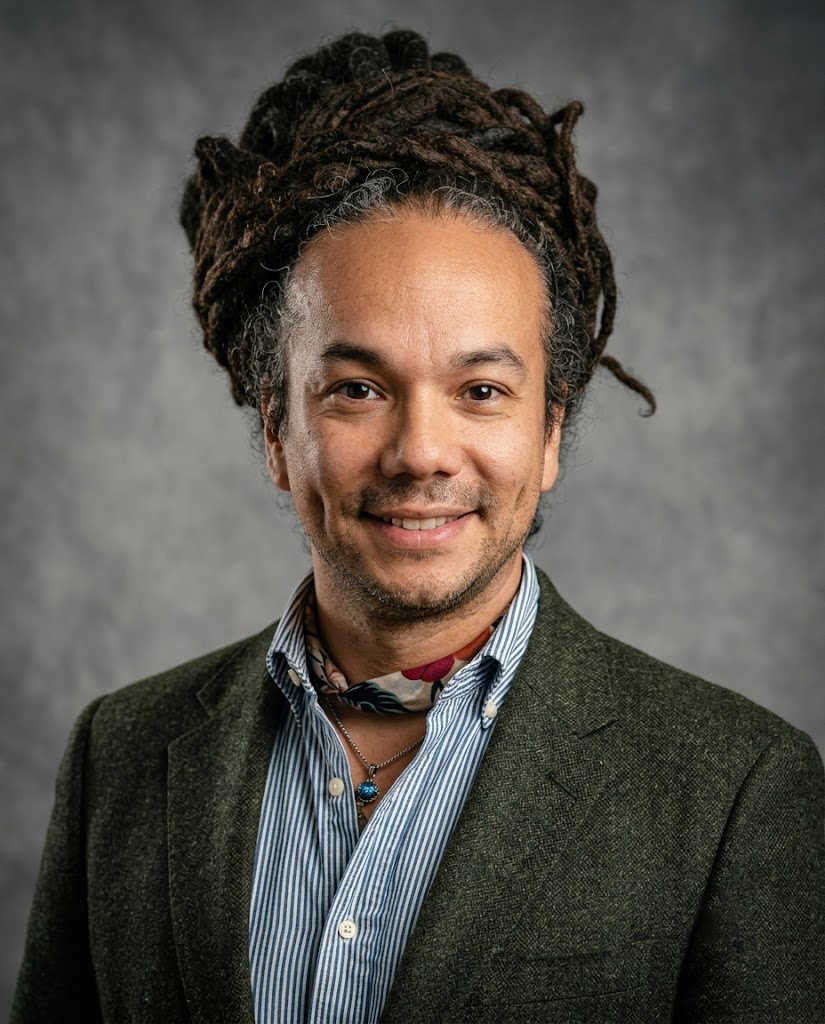
“The number one currency we have with the people we serve is trust.”
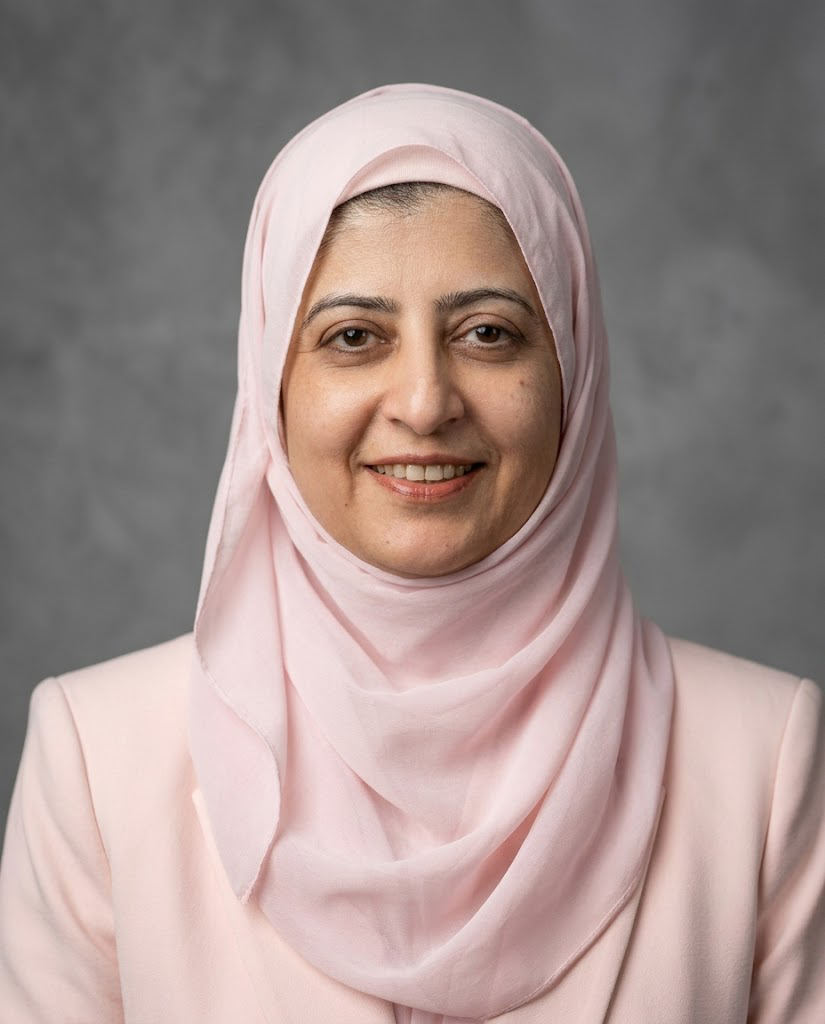
“Legislative changes create a burden of information, and there is a cost of confusion that is never allocated—hence the grassroots suffers.”
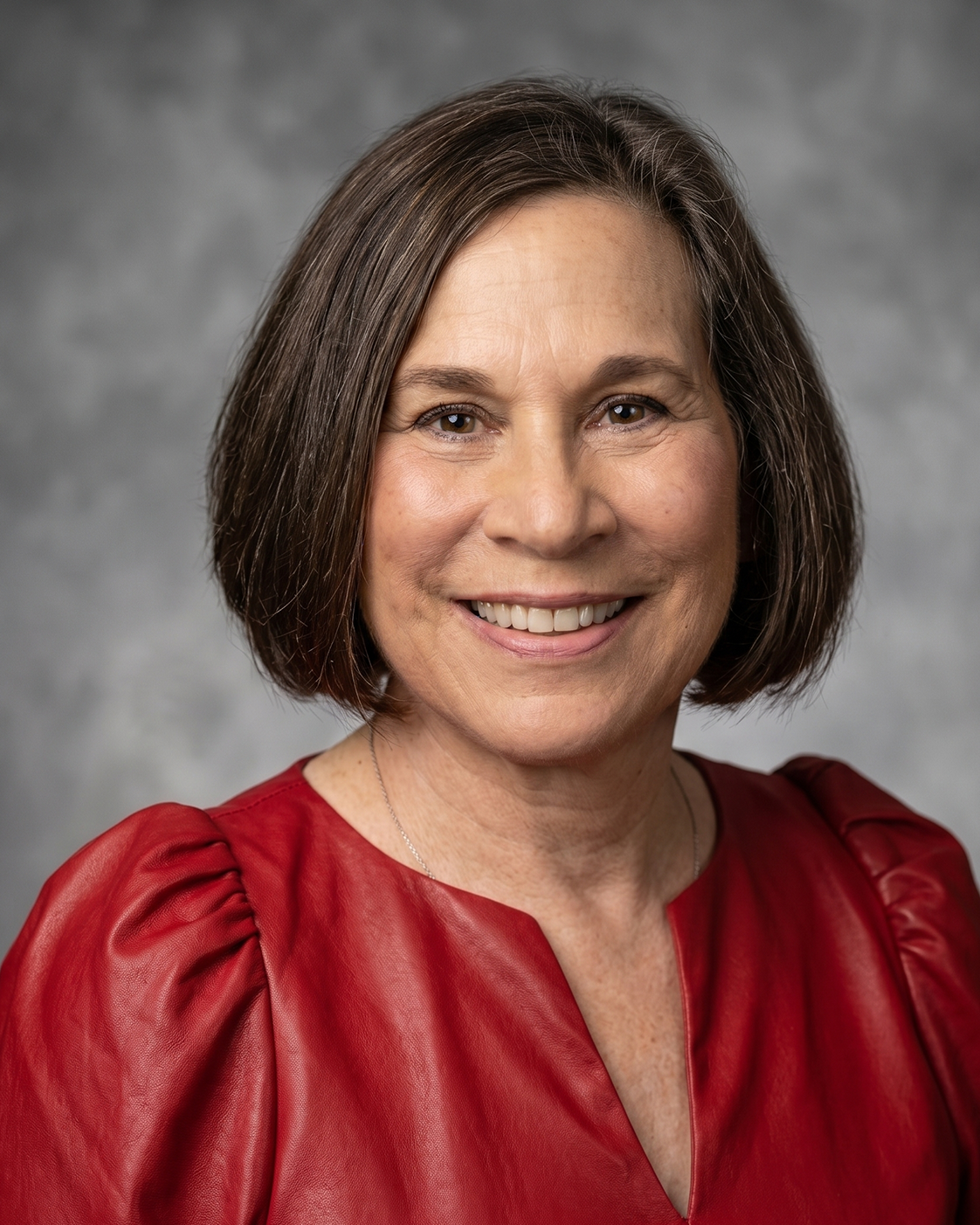
“What people on the ground tell us makes a difference.”
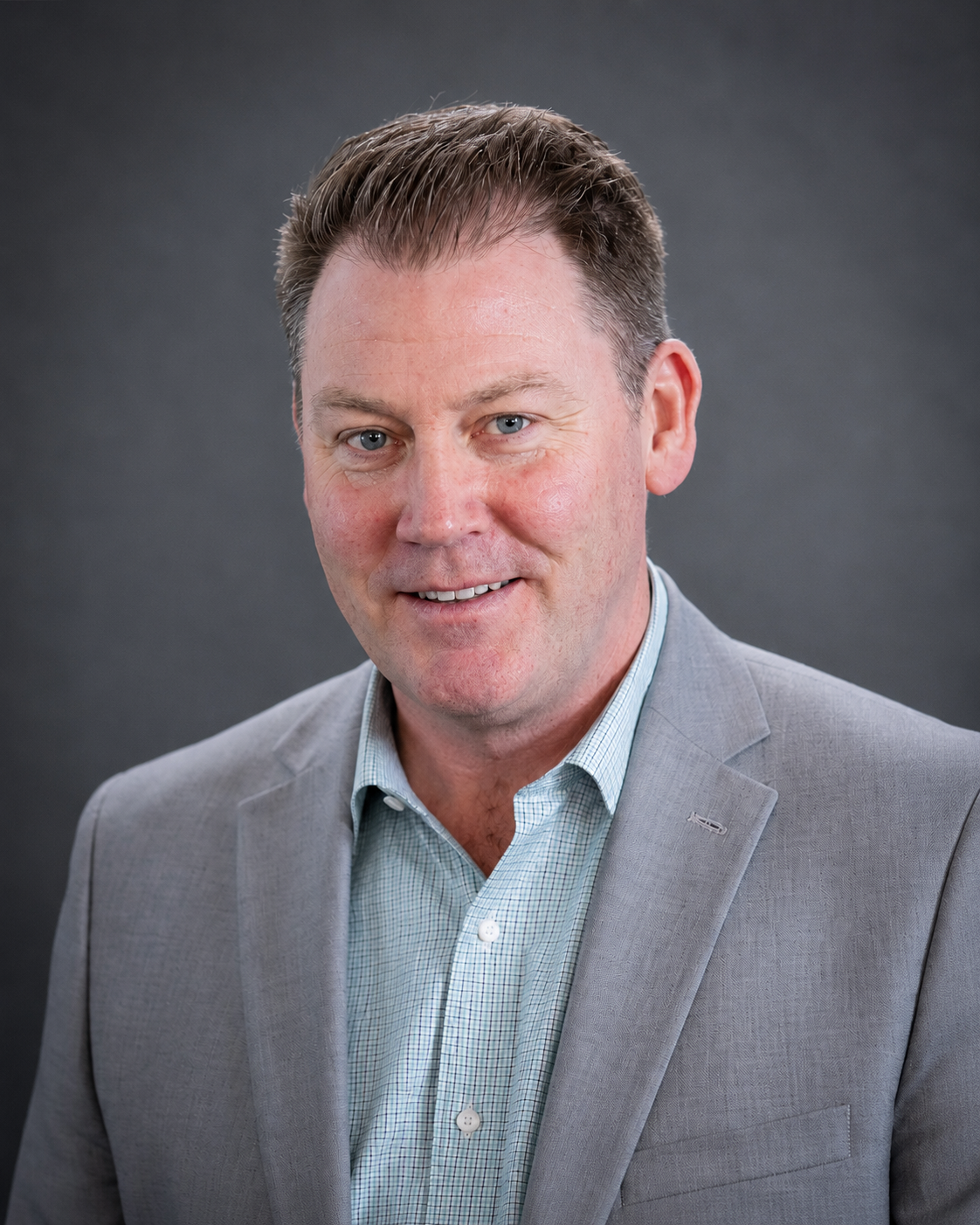
“Sometimes you forget what it is that we do and how important the connections that we have to the community are.”
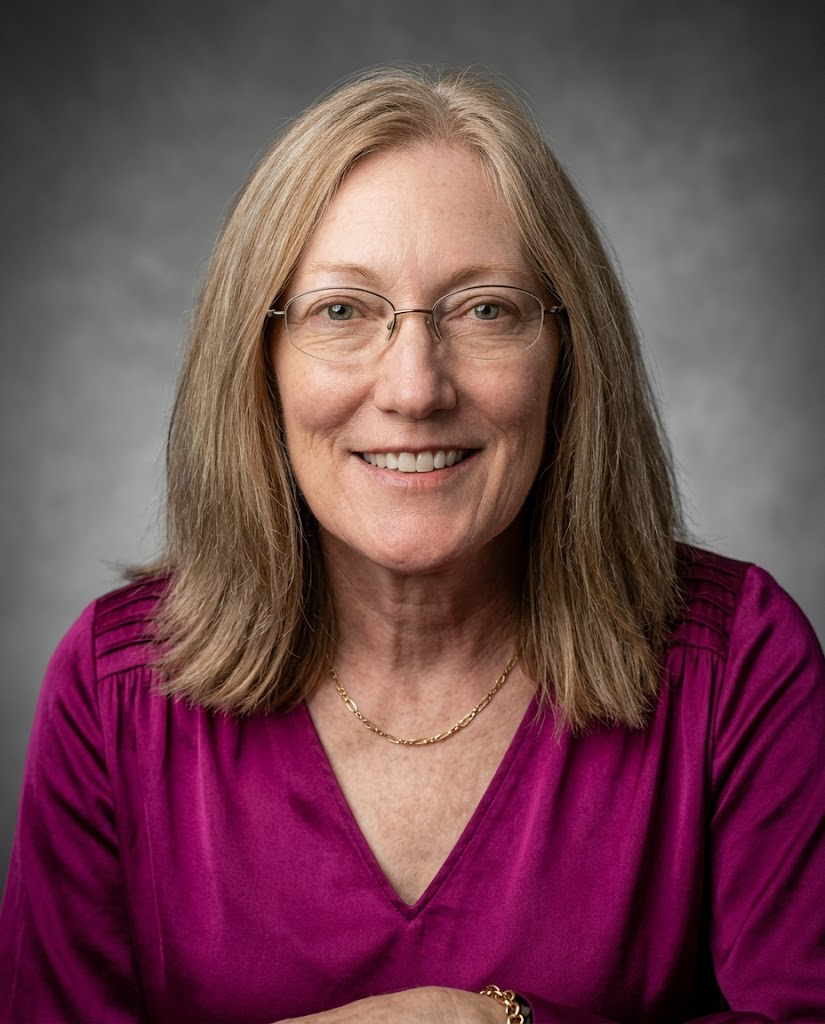
“If we invest in trust, we don't just improve health outcomes—we transform communities.”
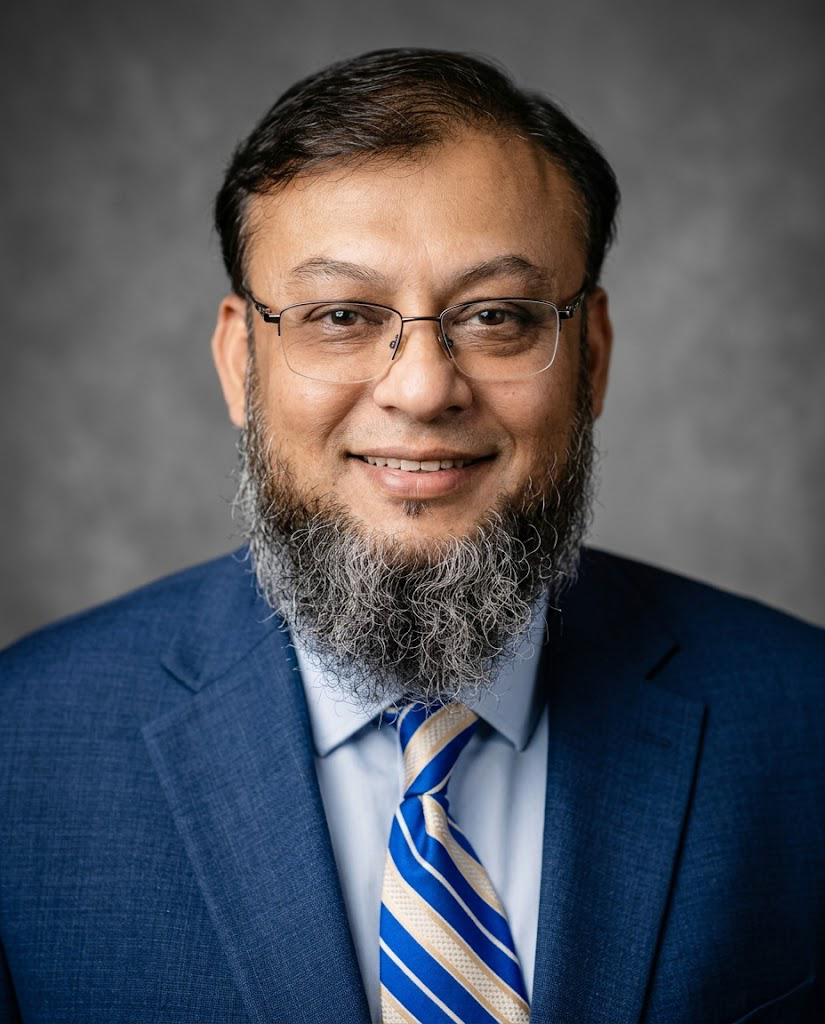
“No single person, organization, culture, or religion can solve these challenges alone. Only collaboration across humanity can build the bridge toward health equity.”
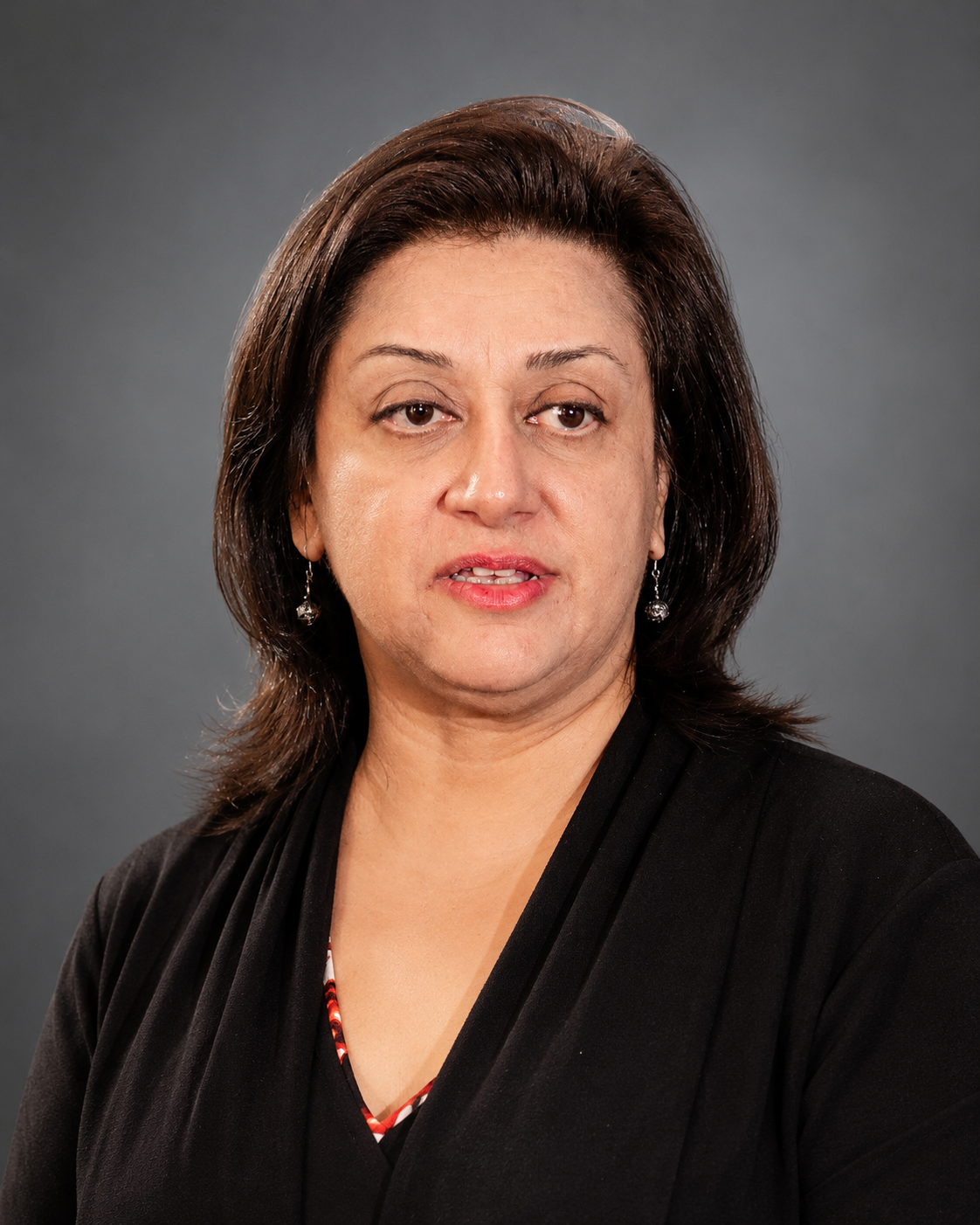
“Real community transformation happens when organizations stop working in silos and begin building a shared ecosystem where every partner contributes its strengths toward one common goal.”
Fatema Mirza opened the Health Equity Summit by presenting the vision, philosophy, and evidence-based framework that guides Worry Free Community's work. Drawing upon more than twelve years of grassroots experience, she demonstrated how community insight, systems thinking, and measurable outcomes can be combined to create sustainable solutions that address Health Equity at both the local and systemic levels.
Fatema explained that achieving Health Equity requires more than providing equal resources—it requires designing solutions around the real needs of communities. She emphasized the importance of understanding systems literacy, strengthening grassroots capacity, aligning community efforts with public policy, and using measurable benchmarks to evaluate long-term impact. Through WFC's operational model, she illustrated how data, community engagement, health literacy, and social justice work together to create scalable, sustainable improvements in access to care.
“Solutions for Health Equity must be designed around what people need—not simply what is equal.”
- Health Equity requires solutions tailored to real community needs.
- Systems literacy is essential for improving access to care.
- Sustainable community health depends on measurable outcomes, data, and continuous learning.
- Grassroots organizations and policymakers must work together to create lasting change.
- Health Equity cannot be achieved without advancing social justice.
Fatema Mirza presented a comprehensive framework that connects community engagement, systems thinking, health literacy, policy alignment, and evidence-based evaluation into a single operational model. Her vision demonstrates that lasting Health Equity is achieved through collaboration, continuous learning, and scalable solutions built around the realities of the communities being served.
Moina Hussain shared the foundational journey of Worry Free Community, explaining how years of frontline experience transformed a volunteer initiative into a structured community health model. Her presentation demonstrated that improving healthcare access requires more than enrollment services—it requires health literacy, sustainable systems, skilled workforce development, and continuous community support.
Moina presented the evolution of Worry Free Community's access-to-care model, beginning with early challenges serving underserved immigrant communities and identifying health literacy as the primary barrier to care. She explained how WFC developed standardized enrollment workflows, performance metrics, community health training, and operational systems that improved efficiency, strengthened healthcare access, and laid the foundation for a scalable Community Health Worker model.
“The barrier was health literacy.”
- Health literacy is the foundation of meaningful healthcare access.
- Sustainable community health requires structured systems, trained personnel, and measurable outcomes.
- Data and operational workflows improve efficiency and expand community impact.
- Community Health Workers play a critical role in building long-term Health Equity.
Moina Hussain demonstrated how combining health literacy, workforce development, operational systems, and continuous community support can create a sustainable model for improving healthcare access. Her presentation illustrated Worry Free Community's evolution from a volunteer initiative into a scalable framework that empowers underserved communities and strengthens long-term Health Equity.
Sarahjini Nunn shared the latest progress on Illinois' Community Health Worker (CHW) Certification Program, highlighting how certification, workforce development, and Medicaid reimbursement are being integrated into a statewide strategy to strengthen Health Equity. Her presentation demonstrated how policy can create sustainable opportunities for Community Health Workers while improving access to care across Illinois.
Sarahjini provided a comprehensive update on the CHW Certification and Reimbursement Act, outlining the program's development, certification pathways, curriculum design, statewide implementation, public engagement process, and projected launch timeline. She emphasized that the initiative is designed to recognize Community Health Workers, establish consistent professional standards, expand workforce capacity, and create sustainable reimbursement models that support long-term community health services.
“We have to keep that pressure on to make sure our Community Health Workers are taken care of in this fight for equity.”
- CHW certification creates consistent professional standards while recognizing diverse career pathways.
- Medicaid reimbursement is essential for building a sustainable Community Health Worker workforce.
- Public participation and stakeholder collaboration are critical to developing an effective certification program.
- Investing in Community Health Workers strengthens long-term Health Equity across Illinois.
Sarahjini Nunn demonstrated how thoughtful public policy can transform Community Health Workers into a sustainable, professionally supported workforce. By connecting certification, education, public engagement, and reimbursement, her work advances a stronger healthcare system that improves access, supports frontline workers, and promotes lasting Health Equity throughout Illinois.
Melissa Maguire reflected on the collective effort behind expanding access to care across Illinois. Accepting the recognition with humility, she emphasized that lasting progress is never achieved by one individual alone, but through a community of clinics, partners, and leaders working together toward a shared mission.
Melissa shared how the growth of Illinois' free and charitable clinic movement was built through collaboration, persistence, and shared belief. She recalled the early days of educating state leaders about the role of free and charitable clinics and acknowledged the many organizations and individuals who helped strengthen the movement over the years. Her message reminded the audience that meaningful systems change is always a collective achievement.
“It was not one person. It was a community.”
- Lasting change is built through collective leadership.
- Strong healthcare systems grow through collaboration and shared purpose.
- Advocacy requires persistence, education, and long-term partnerships.
- Community achievements belong to everyone who contributes to the mission.
Melissa Maguire's reflection reinforced that Health Equity advances when organizations, community leaders, and healthcare providers work together toward a common goal. Her message highlighted the power of collaboration in creating sustainable improvements in access to care.
Carol Larson highlighted the importance of recognizing the people who dedicate themselves to serving others. Drawing on her years of experience with Get Covered Illinois and the Affordable Care Act enrollment process, she reflected on the privilege of honoring individuals whose work has strengthened communities across Illinois.
Carol shared her appreciation for the opportunity to present awards to passionate community leaders. She spoke about the many dedicated professionals she has met throughout her work in the healthcare navigator sector and emphasized that every award represents the countless lives those individuals have touched through their service. Rather than celebrating personal achievements, she encouraged everyone to recognize the lasting impact these leaders have made within their communities.
“The award is just a little piece of the lives you have touched along the way.”
- Recognition reflects the lasting impact of service, not just individual achievement.
- Community health is strengthened by passionate people working together.
- Every person honored has made a meaningful difference in the lives of others.
- Lasting impact is built through years of dedication and commitment to the community.
Carol Larson reminded the audience that Health Equity is advanced by the everyday efforts of dedicated community leaders. Her message reinforced that true recognition lies not in receiving an award, but in the lasting difference made in the lives of the people and communities they serve.
Maham Mirza presented how Worry Free Community responded to the unprecedented challenges of the COVID-19 pandemic by combining frontline community outreach with data-driven decision-making. Her session demonstrated how operational insights can strengthen healthcare access, improve service delivery, and prepare organizations for future public health challenges.
Using enrollment trends, call volume, service utilization, and operational data collected throughout the COVID-19 pandemic, Maham demonstrated how evidence-based evaluation helped Worry Free Community adapt its services, strengthen community support, and prepare for future public health challenges.
“Lessons learned from the COVID period—what worked and what didn't work during the lockdown.”
- Data helps transform community experience into measurable improvements.
- Healthcare enrollment patterns shifted significantly during the COVID-19 pandemic.
- Virtual outreach and remote support became essential tools for maintaining healthcare access.
- Continuous evaluation enables organizations to strengthen future community health responses.
Maham Mirza demonstrated how evidence-based decision-making can improve community health programs during times of crisis. By analyzing operational data alongside frontline experience, her work highlights the importance of building resilient, adaptive systems that ensure communities remain connected to essential healthcare services.
Sergio Obregon demonstrated how trusted community relationships, customer-centered service, and statewide collaboration can improve healthcare access. Drawing from both frontline experience and state leadership, he showed how helping one individual at the right moment can create lasting impact while strengthening systems that serve entire communities.
Sergio shared the evolution of Get Covered Illinois as the state's official health insurance marketplace, highlighting its customer-first approach, multilingual outreach, public awareness campaigns, enrollment performance, and continued efforts to expand affordable healthcare coverage. Through personal experience and statewide data, he emphasized that Health Equity depends on trust, informed decision-making, strong partnerships, and making healthcare navigation accessible to every community.
“The number one currency we have with the people we serve is trust.”
- Trust is the foundation of effective community healthcare.
- Public awareness and outreach help people make informed healthcare decisions.
- Customer-centered systems improve access to affordable healthcare coverage.
- Collaboration between communities, navigators, and public agencies strengthens Health Equity.
- Information should be accessible in the languages and formats communities need.
Sergio Obregon illustrated how combining community trust, multilingual communication, customer support, and data-driven operations can remove barriers to healthcare access. His presentation demonstrated that sustainable Health Equity requires systems that are accessible, responsive, and designed around the needs of the people they serve.
Urooj Rehman presented Worry Free Community's evolving Access-to-Care model, demonstrating how continuous evaluation, operational learning, and system improvements can strengthen healthcare access. Her presentation focused on improving community support through better navigation systems, trained personnel, and evidence-based decision-making.
Urooj evaluated WFC's recent operational performance by examining call center outcomes, enrollment trends, legislative changes, and system navigation challenges. She explained why healthcare inquiries should be handled by trained professionals with expertise in intake, eligibility, and Coverage-to-Care counseling rather than traditional call center models. She also presented WFC's collaborative framework for expanding community capacity through workforce development, strategic partnerships, and evidence-based community support.
“Legislative changes create a burden of information, and there is a cost of confusion that is never allocated—hence the grassroots suffers.”
- Effective healthcare navigation requires trained community-based professionals.
- Legislative changes create information barriers that directly affect underserved communities.
- Continuous evaluation improves operational efficiency and service quality.
- Community partnerships strengthen local capacity and accelerate Health Equity.
- Evidence-based systems improve outcomes while reducing long-term costs.
Urooj Rehman demonstrated how strategic system navigation, workforce development, and collaborative partnerships can strengthen healthcare access. Her presentation highlighted the importance of designing community-centered systems that reduce confusion, improve service delivery, and build long-term capacity for advancing Health Equity.
Catherine Leonis highlighted the importance of collaboration between government agencies and community organizations in improving healthcare access. Her presentation demonstrated how public programs, policy implementation, community outreach, and stakeholder engagement work together to strengthen Health Equity across Illinois.
Catherine provided an overview of how healthcare programs are implemented and supported through collaboration between federal, state, and community partners. She emphasized that effective outreach, technical assistance, education, and continuous engagement with stakeholders are essential for helping communities navigate complex healthcare systems. She also reinforced that community feedback plays a vital role in improving policies and ensuring programs better serve the people they are designed to help.
“What people on the ground tell us makes a difference.”
- Strong partnerships strengthen healthcare systems.
- Community outreach and education improve access to healthcare services.
- Stakeholder feedback helps shape more effective public policies.
- Technical assistance and collaboration create better outcomes for communities.
- Continuous innovation and quality improvement are essential for advancing Health Equity.
Catherine Leonis demonstrated how collaboration between healthcare agencies, community organizations, and public stakeholders can improve access to care and strengthen public health systems. Her presentation reinforced that listening to communities, supporting local partners, and continuously improving healthcare programs are essential steps toward achieving lasting Health Equity.
Brian Gorman reflected on the long journey of building Illinois' state-based health insurance marketplace and emphasized the importance of strong community partnerships in expanding healthcare access. His remarks highlighted that sustainable progress is achieved through persistence, collaboration, and staying connected to the communities being served.
Brian shared the challenges and milestones involved in establishing Get Covered Illinois, describing years of persistence through organizational changes and operational obstacles. He reminded the audience that while daily administrative responsibilities can dominate attention, the true purpose of the work is to strengthen community connections and improve access to healthcare. His message encouraged organizations to celebrate progress while remaining focused on the people behind the mission.
“Sometimes you forget what it is that we do and how important the connections that we have to the community are.”
- Strong community partnerships are the foundation of lasting healthcare access.
- Meaningful progress requires persistence through change and setbacks.
- Operational challenges should never overshadow the mission of serving communities.
- Celebrating milestones strengthens purpose and reinforces long-term commitment.
- Community connection remains at the heart of successful outreach initiatives.
Brian Gorman reinforced that Health Equity is sustained through trusted partnerships, community engagement, and long-term commitment. His reflection demonstrated that while systems and operations are essential, lasting impact comes from maintaining strong relationships with the communities those systems are designed to serve.
Tracey Smith highlighted the vital role of Community Health Workers (CHWs) in transforming healthcare access through trust, navigation, and community relationships. She emphasized that expanding healthcare coverage alone is not enough—lasting health equity requires a trained, recognized, and sustainable CHW workforce supported by policy and reimbursement.
Tracey explained how Community Health Workers bridge the gap between healthcare systems and the people they serve by providing trusted guidance, care navigation, and ongoing support. She outlined Illinois' progress toward CHW certification, workforce development, and Medicaid reimbursement, stressing that professional recognition must be paired with sustainable funding and strong community partnerships. Through real-world examples, she demonstrated that investing in trusted community-based workers leads to better health outcomes and stronger communities.
“If we invest in trust, we don't just improve health outcomes—we transform communities.”
- Community Health Workers transform healthcare access through trusted relationships.
- Health coverage alone does not guarantee care, trust, or better outcomes.
- CHW certification strengthens workforce recognition, career pathways, and service quality.
- Sustainable funding and Medicaid reimbursement are essential for long-term impact.
- Community-rooted professionals are critical to advancing health equity across Illinois.
Tracey Smith demonstrated that Community Health Workers are essential infrastructure for achieving Health Equity. By combining community trust, standardized training, sustainable reimbursement, and integrated care systems, CHWs can improve access, reduce disparities, and build healthier communities for the long term.
Masood Iqbal focused on transforming years of practical experience into sustainable systems that can expand community health services. He demonstrated how technology, trusted partnerships, data, and faith-based collaboration can strengthen health equity through scalable community infrastructure.
Masood presented Worry Free Community's evolution from a small phone-based support system into a scalable technology-enabled community health model. He emphasized that sustainable impact requires trusted partnerships, equitable resource sharing, data-driven decision making, and community-based innovation. He introduced future initiatives including faith-based Health Equity Kiosks, the proposed WFC Center for Health Equity, and collaborative models designed to bridge healthcare gaps through research, technology, and community leadership.
“No single person, organization, culture, or religion can solve these challenges alone. Only collaboration across humanity can build the bridge toward health equity.”
- Sustainable health equity requires trusted partnerships and shared responsibility.
- Technology and data systems are essential for scaling community health services.
- Faith-based Health Equity Kiosks can bring trusted support directly into communities.
- Independent analysis and research help identify gaps and guide effective interventions.
- Collaboration—not competition—is the foundation of lasting community impact.
Masood Iqbal presented a long-term vision for building community-centered health infrastructure where technology, trusted relationships, research, and cross-sector collaboration work together to create sustainable, equitable healthcare solutions that improve access and strengthen communities.
Drawing on nearly three decades of nonprofit leadership, Shazeen Mufti demonstrated how sustainable community impact requires more than funding—it requires strong institutions, strategic philanthropy, collaborative leadership, and long-term investment in nonprofit capacity. She illustrated how building community infrastructure creates lasting change far beyond individual projects.
Shazeen introduced the principles of Collective Impact, explaining that meaningful community transformation happens when organizations align around a shared vision, common goals, measurable outcomes, and coordinated action. She also highlighted the role of the American Muslim Community Foundation (AMCF) in strengthening nonprofit organizations through strategic philanthropy, donor-advised funds, organizational capacity building, and community partnerships. By sharing AMCF's growth and impact, she demonstrated how transparent, mission-driven philanthropy can help build stronger, more resilient communities.
“Real community transformation happens when organizations stop working in silos and begin building a shared ecosystem where every partner contributes its strengths toward one common goal.”
- Sustainable impact requires investing in organizational capacity, leadership, and long-term infrastructure—not only programs.
- Collective Impact creates greater community outcomes through shared goals, coordinated action, and measurable results.
- Strategic philanthropy should strengthen nonprofit organizations while expanding community capacity.
- Transparent stewardship and responsible giving build long-term trust between donors and communities.
- Faith-based organizations can play a powerful role in advancing Health Equity through collaboration, education, and community investment.
Shazeen Mufti demonstrated how philanthropy can become a catalyst for Health Equity by strengthening the organizations that serve communities. Through collaborative leadership, nonprofit capacity building, transparent stewardship, and strategic investment, she presented a model that empowers local organizations to create sustainable, community-driven solutions. She also illustrated this impact through AMCF's continued growth, supporting hundreds of donor funds, facilitating millions of dollars in charitable giving, and expanding collaborative initiatives that strengthen communities across the region.
Turning Conversations Into Action
The Health Equity Summit moved beyond dialogue to spark real momentum. These outcomes reflect our collective commitment to a more equitable future.
Healthcare Leaders Connected
Healthcare leaders came together around a shared vision for health equity and community well-being.
Organizations Represented
Diverse organizations united from healthcare, public health, community groups, and beyond.
Expert Voices Shaping Future
Thought leaders and subject matter experts shared insights that will guide future solutions.
New Collaborations Identified
New partnerships emerged to drive collective action and lasting impact.
Community-Led Solutions Elevated
Community voices were centered to address real needs at the local level.
Future Initiatives Announced
New commitments were launched to advance health equity in our communities.
Building Health Equity Together
Health Equity advances when organizations, institutions, and communities move together toward a shared mission.
Community Partners & Collaborators
No organization creates lasting change alone. We are deeply grateful to the community partners and collaborators who have walked beside us, strengthened our mission, and helped turn compassion into lasting impact.
Join The Collective
Collaboration creates impact. Join the growing network advancing Health Equity across communities.
Health Equity Sponsors
No vision becomes reality without those willing to believe in it. We are profoundly grateful to the sponsors whose generosity transformed ideas into action and helped make Health Equity possible for the communities we serve.
The Road Ahead
The work does not end with the summit. These initiatives represent the next phase of building sustainable Health Equity systems across communities.
WFC Center For Health Equity
A permanent hub for community-led advocacy, training, and innovation.
IPoSH Community Health Kiosks
Expanding trusted access points for health navigation and community resources.
Workforce Development
Growing the next generation of trusted community health leaders.
Strategic Partnerships
Building stronger collaborations across healthcare, community, and public sectors to expand collective impact.
Research & Innovation
Advancing community-informed research and innovative approaches that turn insight into meaningful action.
Community-Led Solutions
Empowering communities to shape practical solutions that reflect their needs, strengths, and lived experiences.